

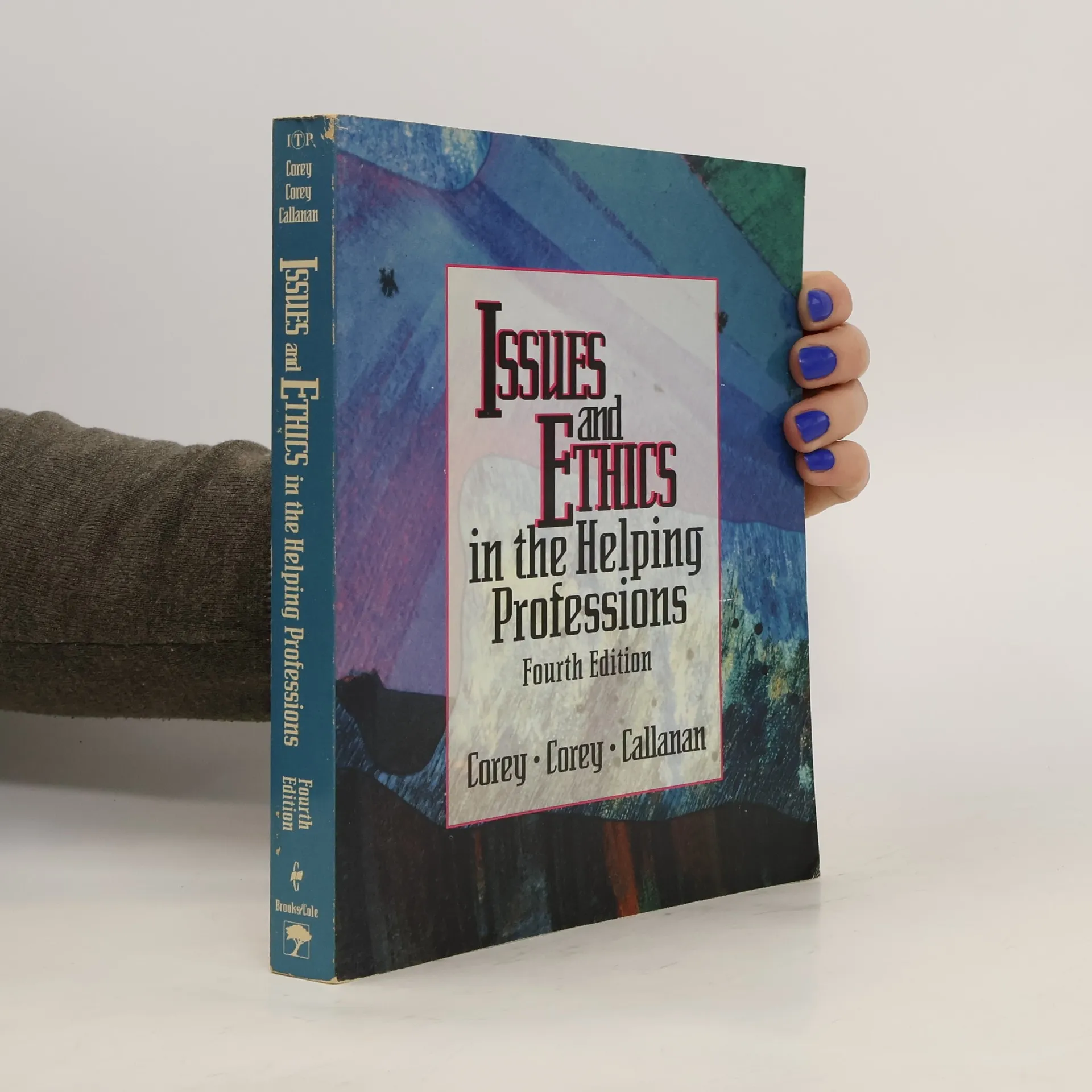


Issues and Ethics in the Helping Professions
Hodnocení knihy
Více o knize
Up-to-date and comprehensive, this practical best-selling text (now available with an online personalized study plan) helps students learn how to deal with and apply ethical standards. Authors Corey, Corey and Callanan provide readers with the basis for discovering their own guidelines within the broad limits of professional codes of ethics and divergent theoretical positions. They raise what they consider to be central issues, present a range of diverse views on these issues, discuss their position, and present many opportunities for readers to refine their own thinking and actively develop their own position. The authors explore such questions as: What role do the therapist's personal values play in the counseling relationship? What ethical responsibilities and rights do clients and therapists have? And, what considerations are involved in adapting counseling practice to diverse client populations?
Nákup knihy
Issues and Ethics in the Helping Professions, Gerald Corey, Patrick Callanan, Marianne Schneider Corey
- Jazyk

- Rok vydání
- 1993
- Vazba
- (měkká)
Doručení
Platební metody
Tady nám chybí tvá recenze.
- Titul
- Issues and Ethics in the Helping Professions
- Jazyk
- anglicky
- Vydavatel
- Brooks/Cole
- Rok vydání
- 1993
- Vazba
- měkká
- Počet stran
- 484
- ISBN10
- 0534187625
- ISBN13
- 9780534187620
- Série
- Hodnocení
- 3 z 5
- Anotace
- Up-to-date and comprehensive, this practical best-selling text (now available with an online personalized study plan) helps students learn how to deal with and apply ethical standards. Authors Corey, Corey and Callanan provide readers with the basis for discovering their own guidelines within the broad limits of professional codes of ethics and divergent theoretical positions. They raise what they consider to be central issues, present a range of diverse views on these issues, discuss their position, and present many opportunities for readers to refine their own thinking and actively develop their own position. The authors explore such questions as: What role do the therapist's personal values play in the counseling relationship? What ethical responsibilities and rights do clients and therapists have? And, what considerations are involved in adapting counseling practice to diverse client populations?