

Více o knize
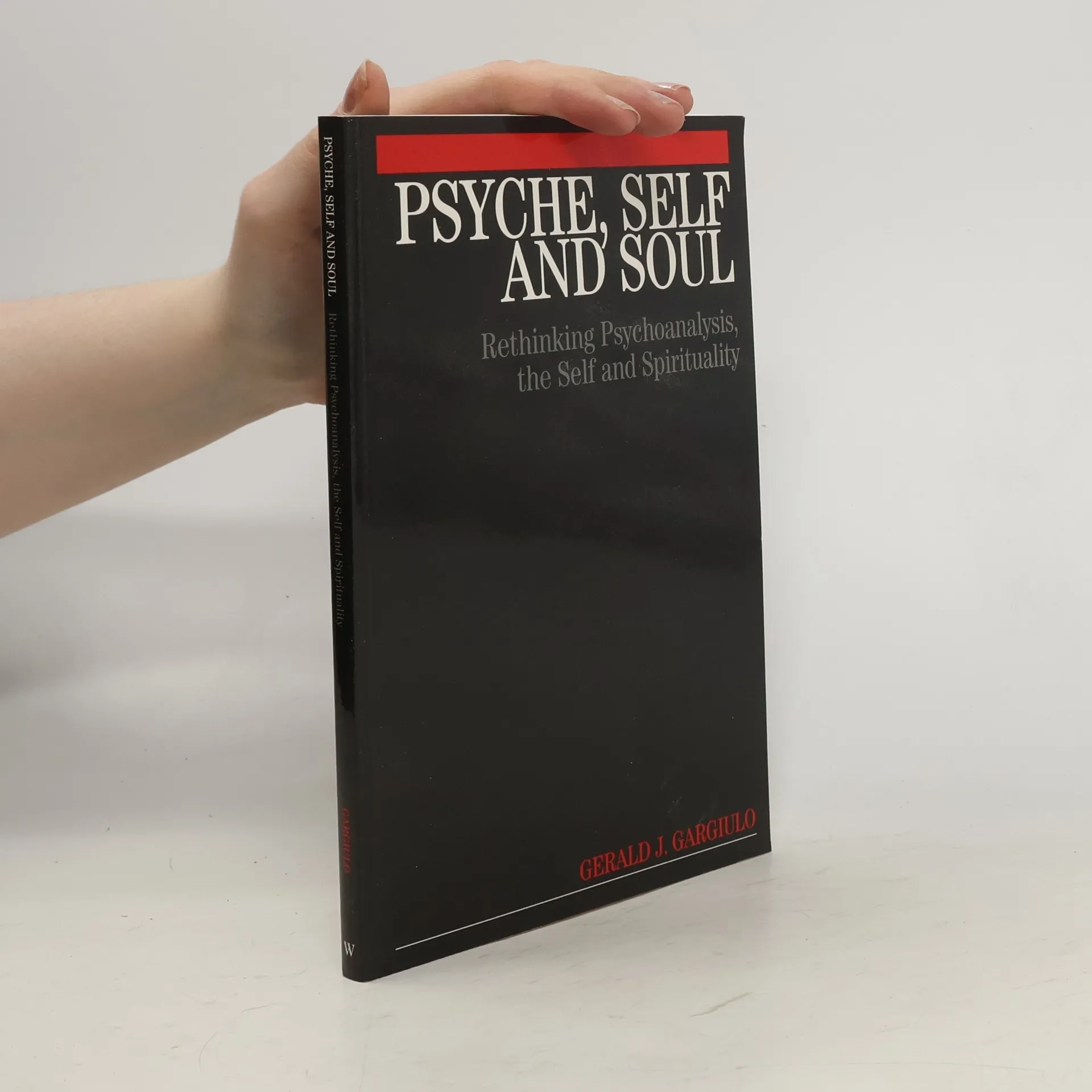
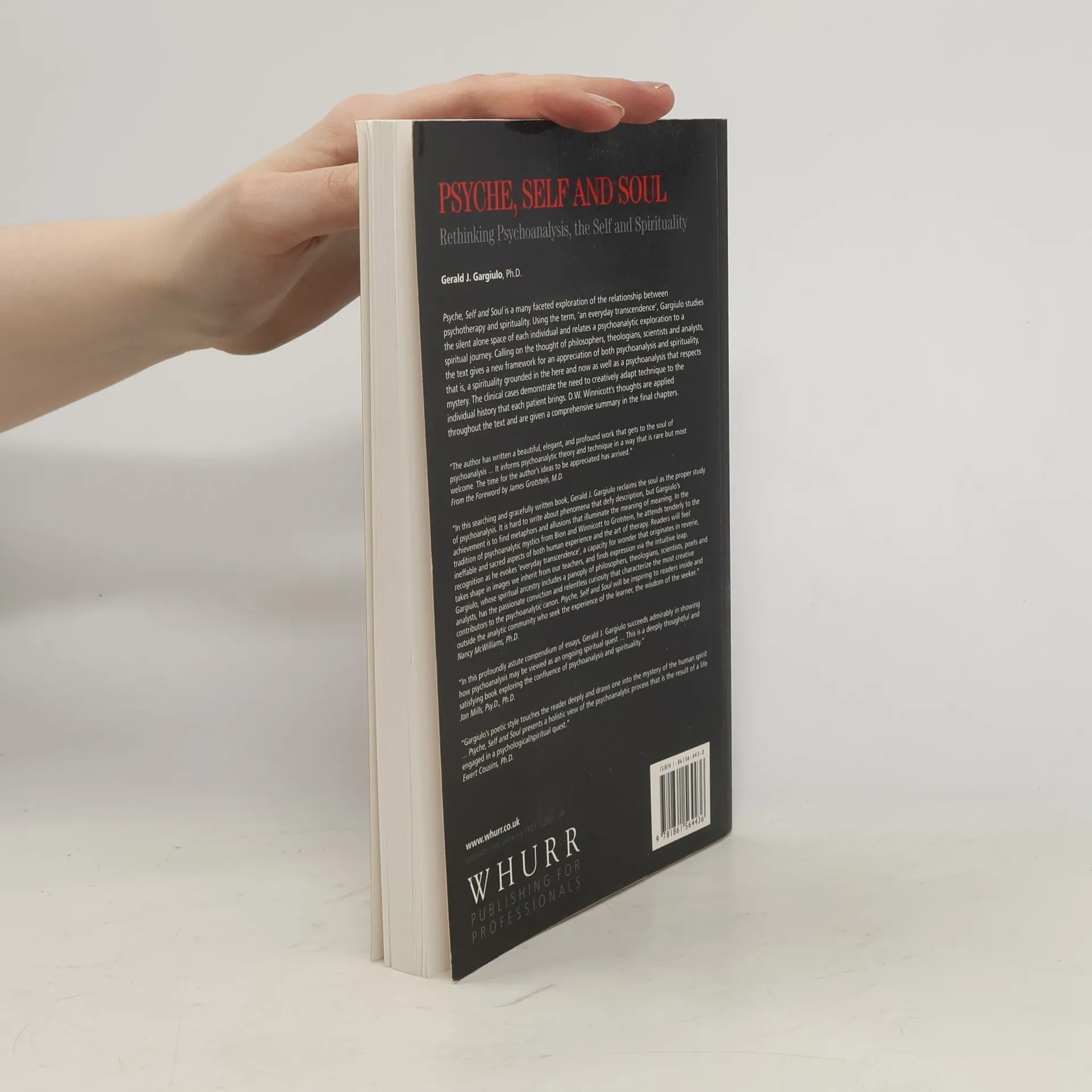
Psyche, Self and Soul is a many faceted exploration of the relationship of psychotherapy and spirituality. Introducing the term 'an everyday transcendence', Gargiulo studies the silent alone space of each individual and relates a psychoanalytic exploration to a spiritual journey. Calling on the thought of philosophers, theologians, scientists and analysts, the text gives a new framework for understanding psychoanalysis and spirituality grounded in the here and now as well as a psychoanalysis that respects mystery, justice and civility. The clinical cases demonstrate how each patient's task must be understood as individualized, and consequently, how the analyst/therapist must creatively adapt clinical technique. D.W. Winnicott's thoughts are applied throughout the text and are given a comprehensive summary in the final chapters.
Nákup knihy
Psyche, Self and Soul, Gerald Gargiulo
- Jazyk

- Rok vydání
- 2004
- Vazba
- (měkká)
Nikdo zatím neohodnotil.
- Titul
- Psyche, Self and Soul
- Podtitul
- Rethinking Psychoanalysis, the Self and Spirituality
- Jazyk
- anglicky
- Autoři
- Gerald Gargiulo
- Vydavatel
- WILEY
- Rok vydání
- 2004
- Vazba
- měkká
- Počet stran
- 168
- ISBN10
- 1861564430
- ISBN13
- 9781861564436
- Série
- Štítky
- Anotace
- Psyche, Self and Soul is a many faceted exploration of the relationship of psychotherapy and spirituality. Introducing the term 'an everyday transcendence', Gargiulo studies the silent alone space of each individual and relates a psychoanalytic exploration to a spiritual journey. Calling on the thought of philosophers, theologians, scientists and analysts, the text gives a new framework for understanding psychoanalysis and spirituality grounded in the here and now as well as a psychoanalysis that respects mystery, justice and civility. The clinical cases demonstrate how each patient's task must be understood as individualized, and consequently, how the analyst/therapist must creatively adapt clinical technique. D.W. Winnicott's thoughts are applied throughout the text and are given a comprehensive summary in the final chapters.