

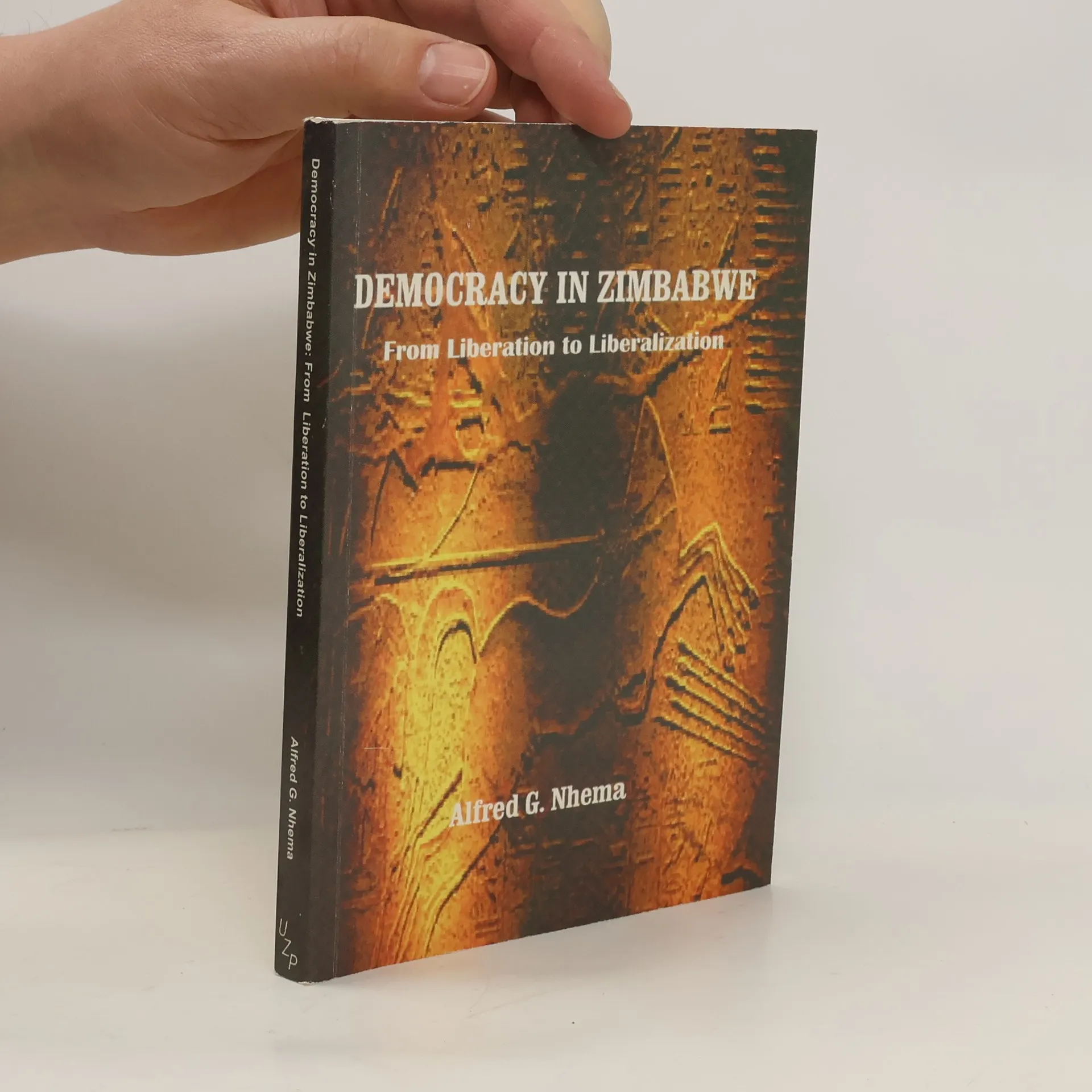
Democracy in Zimbabwe. From Liberation to Liberalization
Autoři
Parametry
Více o knize
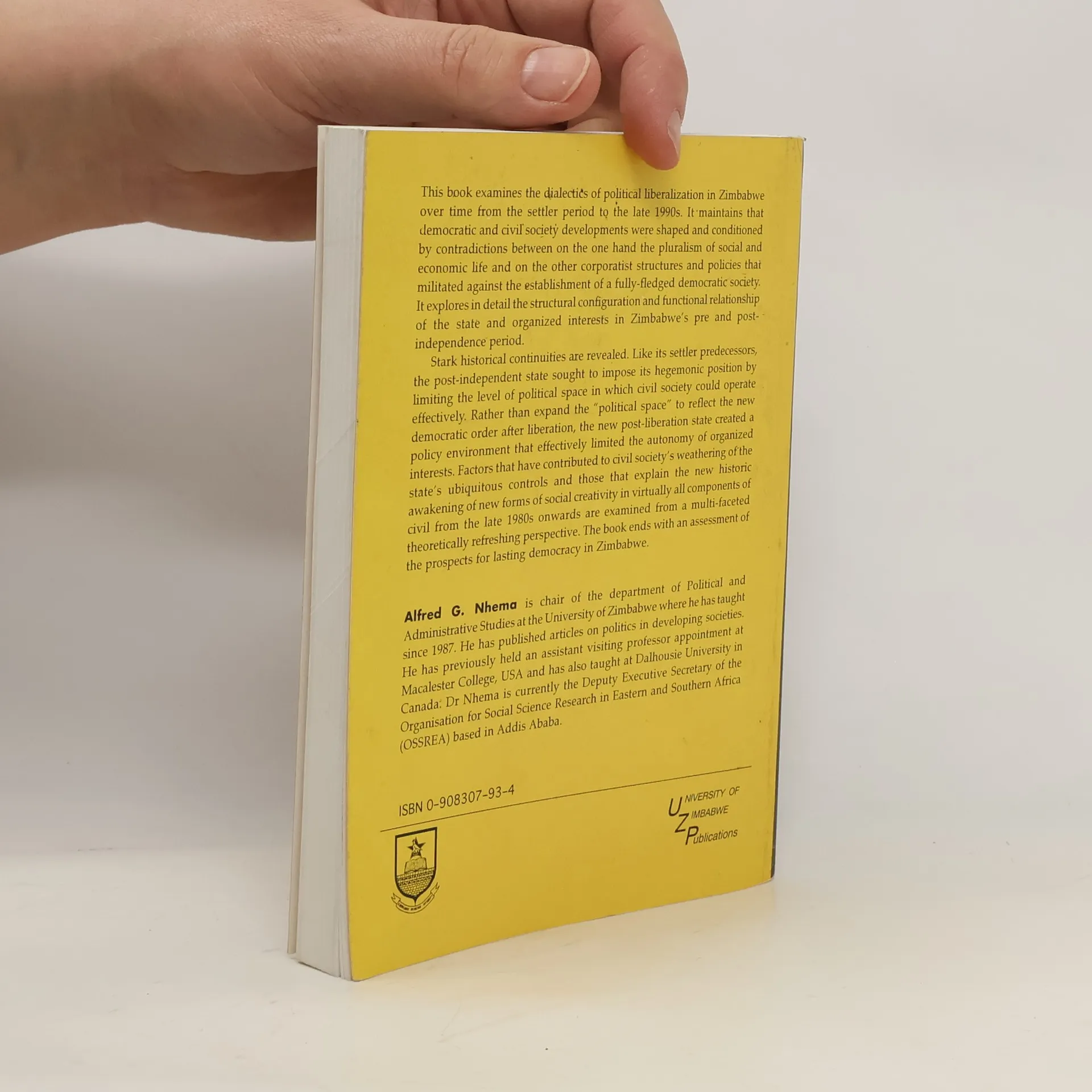
This book examines the dialectics of political liberalisation in Zimbabwe, over time, from the settler period to the late nineties. The study takes in theoretical parameters for political and economic concepts and assumptions; and provides a historical overview of settler rule, civil society reactions, and political developments 1945-1979. The author reveals stark historical continuities during this period. He argues that the post-independence state has sought, like its settler predecessor, to impose its hegemonic position by limiting the level of political space in which civil society could operate; and that corporatist structures and policies have militated against the establishment of a fully-fledged democratic society. The final chapter, which analyses structural adjustment, liberalisation, and the legacy of settler rule offers an assessment of the prospects of a lasting democratic process in Zimbabwe, and likely obstacles.
Nákup knihy
Democracy in Zimbabwe. From Liberation to Liberalization, Alfred G. Nhema
- Jazyk

- Rok vydání
- Vazba
- (měkká)
Doručení
Platební metody
Nikdo zatím neohodnotil.
- Titul
- Democracy in Zimbabwe. From Liberation to Liberalization
- Jazyk
- anglicky
- Autoři
- Alfred G. Nhema
- Vydavatel
- University of Zimbabwe
- Vazba
- měkká
- ISBN10
- 0908307934
- ISBN13
- 9780908307937
- Série
- Kategorie
- Štítky
- Světová literatura
- Anotace
- This book examines the dialectics of political liberalisation in Zimbabwe, over time, from the settler period to the late nineties. The study takes in theoretical parameters for political and economic concepts and assumptions; and provides a historical overview of settler rule, civil society reactions, and political developments 1945-1979. The author reveals stark historical continuities during this period. He argues that the post-independence state has sought, like its settler predecessor, to impose its hegemonic position by limiting the level of political space in which civil society could operate; and that corporatist structures and policies have militated against the establishment of a fully-fledged democratic society. The final chapter, which analyses structural adjustment, liberalisation, and the legacy of settler rule offers an assessment of the prospects of a lasting democratic process in Zimbabwe, and likely obstacles.