

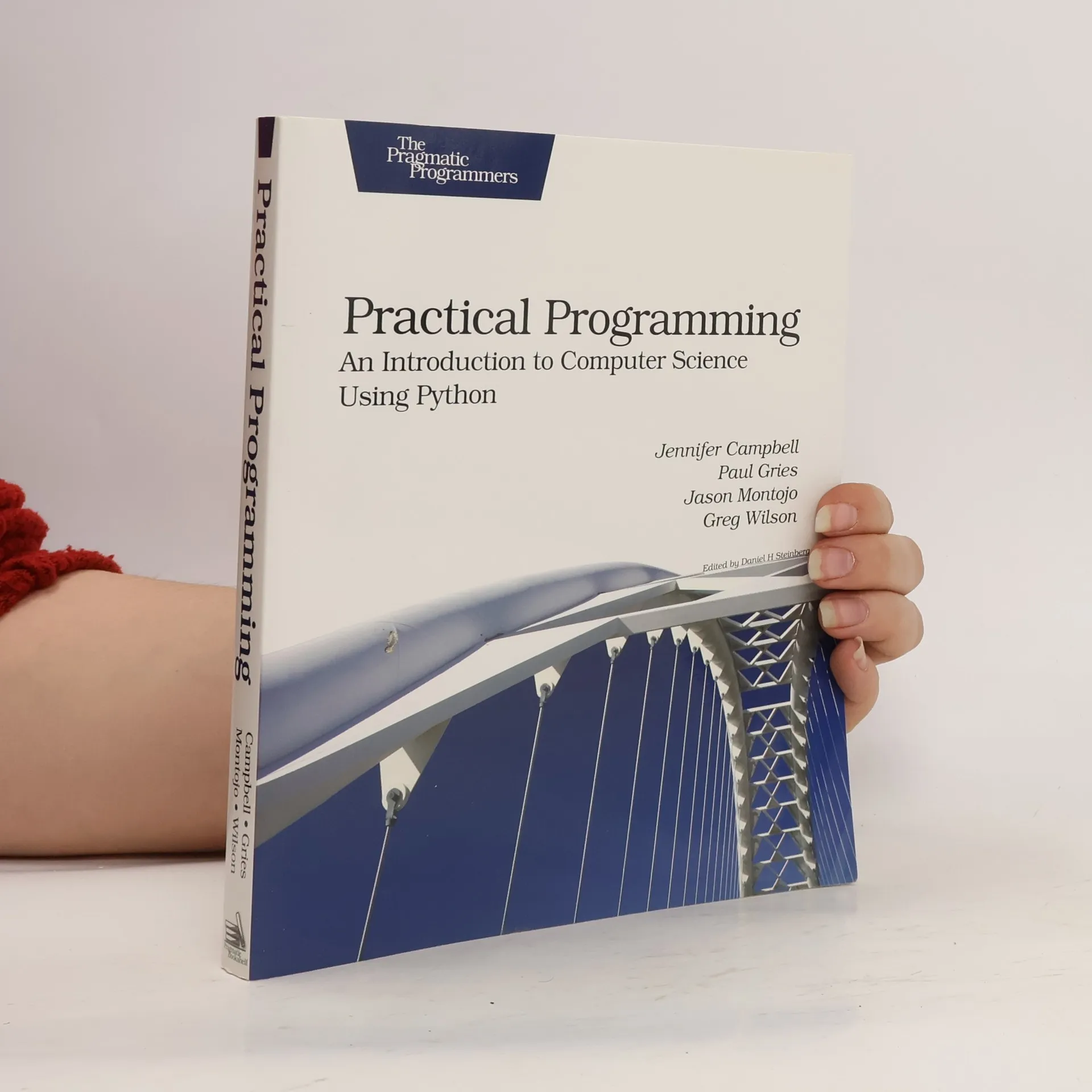
Practical Programming
An Introduction to Computer Science Using Python
Hodnocení knihy
Více o knize
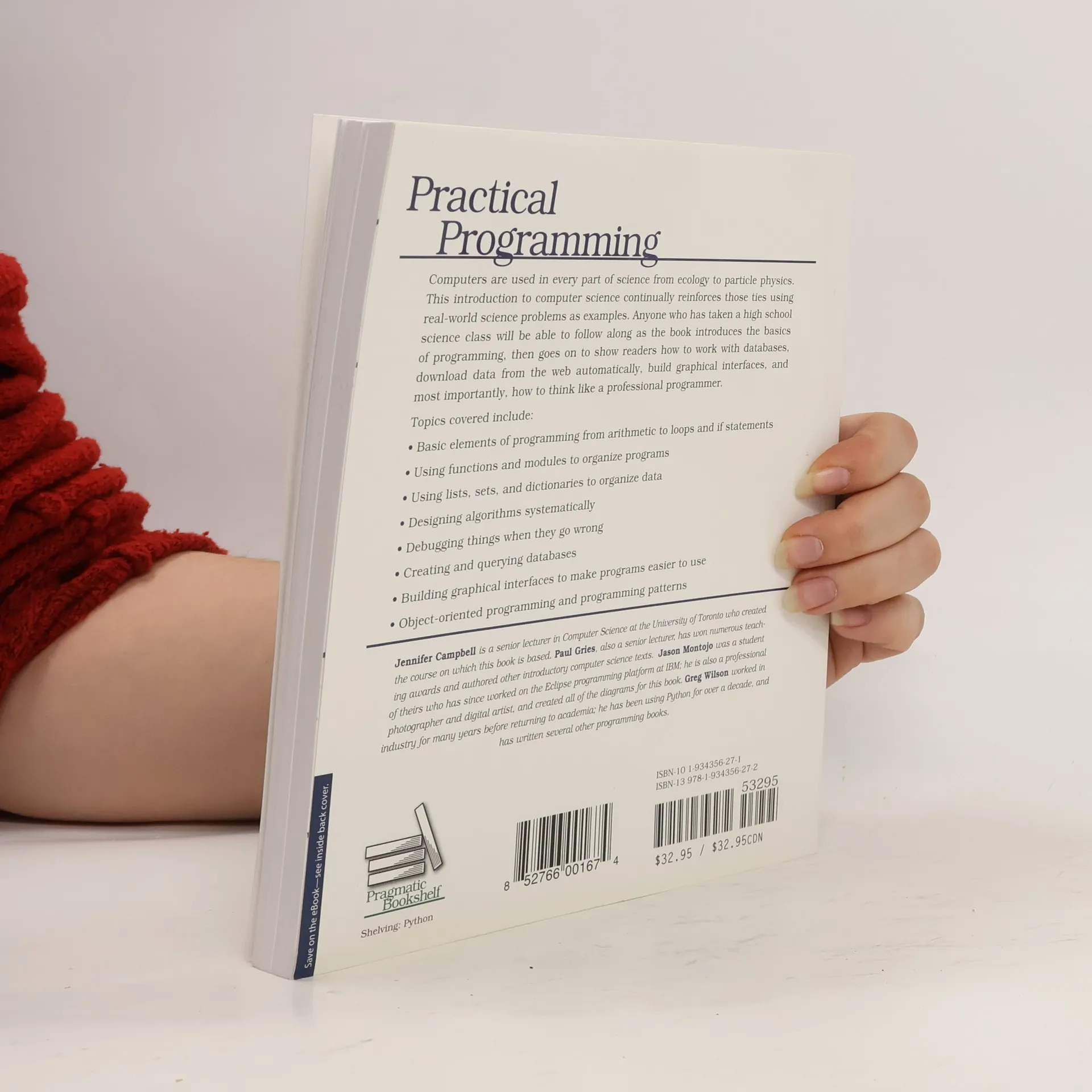
Computers are used in every part of science from ecology to particle physics. This introduction to computer science continually reinforces those ties by using real-world science problems as examples. Anyone who has taken a high school science class will be able to follow along as the book introduces the basics of programming, then goes on to show readers how to work with databases, download data from the web automatically, build graphical interfaces, and most importantly, how to think like a professional programmer. Topics covered include: Basic elements of programming from arithmetic to loops and if statements. Using functions and modules to organize programs. Using lists, sets, and dictionaries to organize data. Designing algorithms systematically. Debugging things when they go wrong. Creating and querying databases. Building graphical interfaces to make programs easier to use. Object-oriented programming and programming patterns.
Nákup knihy
Practical Programming, Jennifer Campbell, Paul Gries, Jason Montojo, Greg Wilson
- Jazyk

- Rok vydání
- 2009
- Vazba
- (měkká)
Doručení
Platební metody
Tady nám chybí tvá recenze.
- Titul
- Practical Programming
- Podtitul
- An Introduction to Computer Science Using Python
- Jazyk
- anglicky
- Vydavatel
- Pragmatic Bookshelf
- Rok vydání
- 2009
- Vazba
- měkká
- Počet stran
- 369
- ISBN10
- 1934356271
- ISBN13
- 9781934356272
- Série
- Štítky
- Technologie, Vzdělávání & školství
- Hodnocení
- 3,8 z 5
- Anotace
- Computers are used in every part of science from ecology to particle physics. This introduction to computer science continually reinforces those ties by using real-world science problems as examples. Anyone who has taken a high school science class will be able to follow along as the book introduces the basics of programming, then goes on to show readers how to work with databases, download data from the web automatically, build graphical interfaces, and most importantly, how to think like a professional programmer. Topics covered include: Basic elements of programming from arithmetic to loops and if statements. Using functions and modules to organize programs. Using lists, sets, and dictionaries to organize data. Designing algorithms systematically. Debugging things when they go wrong. Creating and querying databases. Building graphical interfaces to make programs easier to use. Object-oriented programming and programming patterns.