

Parametry
Více o knize
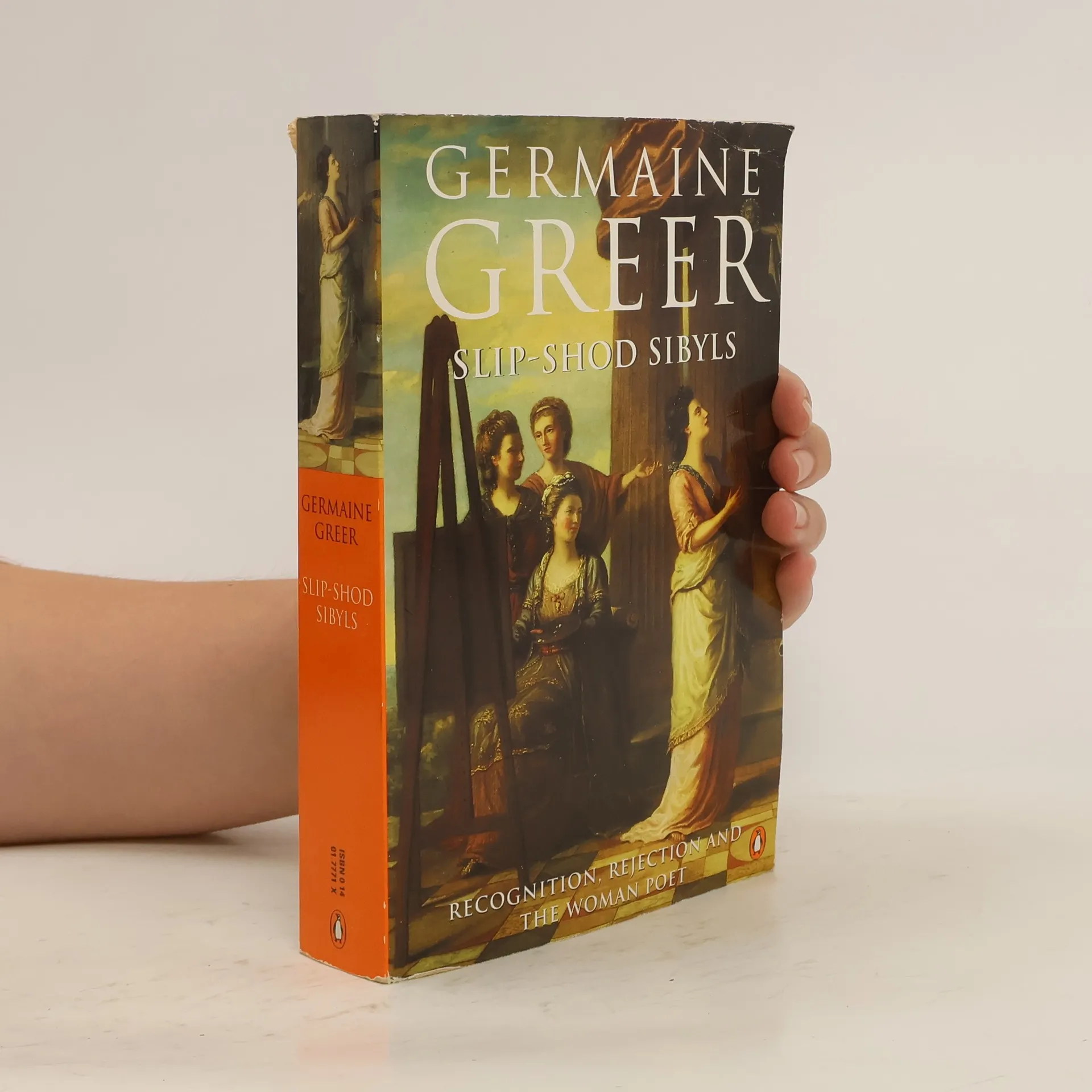
The term "slip-shod sibyls", adapted from a gibe of Alexander Pope, encapsulates the common contempt for the half-educated women who dared to expose themselves in the pre-1900 literary market-place. In this collection, Germaine Greer argues that the problem is not that such women were ignored but that, when most women were unable to express themselves in written form at all, and only a tiny minority dared to write in metre, the female poet was given undue attention, flattered and exploited only to be rejected and humiliated in her own lifetime and forgotten by posterity. She argues that what has come down to us is largely unworthy of inclusion in the canon. In many cases, the texts are inauthentic and cannot be relied upon to represent women's work or women's sensibility. As much of the poetry is intensely derivative, it cannot be evaluated by readers unfamiliar with the poets' models. This study examines the life and work of an extraordinary group of women - from the myth of Sappho to the dishonesty of Katherine Philips, the enduring mysteries of Aphra Behn and the tragic tale of Letitia Landon, forced to masquerade as "The Child of Song".
Nákup knihy
Slip-Shod Sibyls, Germaine Greer
- Jazyk

- Rok vydání
- 1996
- Vazba
- (měkká)
Doručení
Platební metody
Tady nám chybí tvá recenze.
- Titul
- Slip-Shod Sibyls
- Jazyk
- anglicky
- Autoři
- Germaine Greer
- Vydavatel
- Penguin Books
- Rok vydání
- 1996
- Vazba
- měkká
- ISBN10
- 014017771X
- ISBN13
- 9780140177718
- Série
- Štítky
- Historické téma, Feminismus
- Hodnocení
- 3,35 z 5
- Anotace
- The term "slip-shod sibyls", adapted from a gibe of Alexander Pope, encapsulates the common contempt for the half-educated women who dared to expose themselves in the pre-1900 literary market-place. In this collection, Germaine Greer argues that the problem is not that such women were ignored but that, when most women were unable to express themselves in written form at all, and only a tiny minority dared to write in metre, the female poet was given undue attention, flattered and exploited only to be rejected and humiliated in her own lifetime and forgotten by posterity. She argues that what has come down to us is largely unworthy of inclusion in the canon. In many cases, the texts are inauthentic and cannot be relied upon to represent women's work or women's sensibility. As much of the poetry is intensely derivative, it cannot be evaluated by readers unfamiliar with the poets' models. This study examines the life and work of an extraordinary group of women - from the myth of Sappho to the dishonesty of Katherine Philips, the enduring mysteries of Aphra Behn and the tragic tale of Letitia Landon, forced to masquerade as "The Child of Song".