

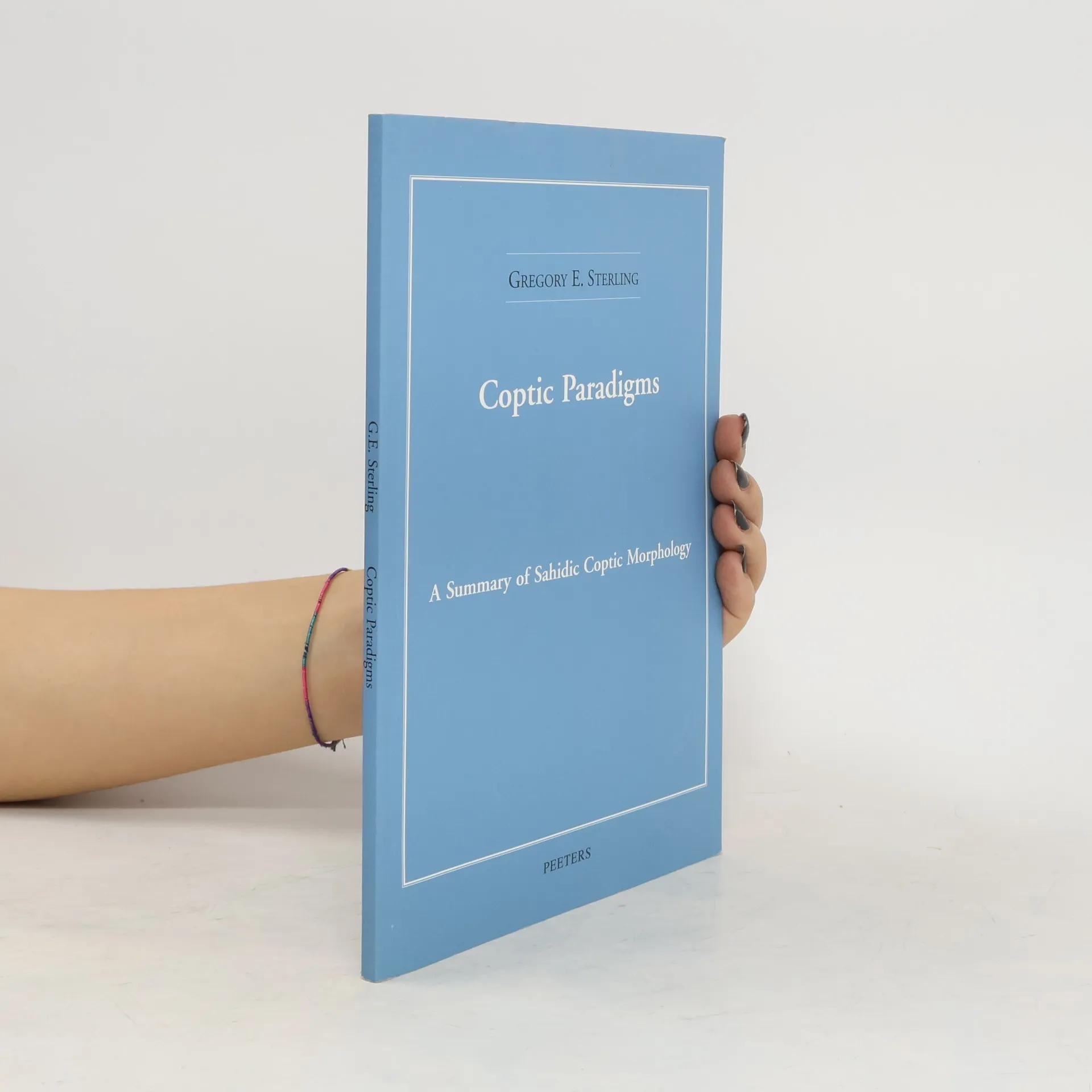
Coptic Paradigms
Autoři
Více o knize
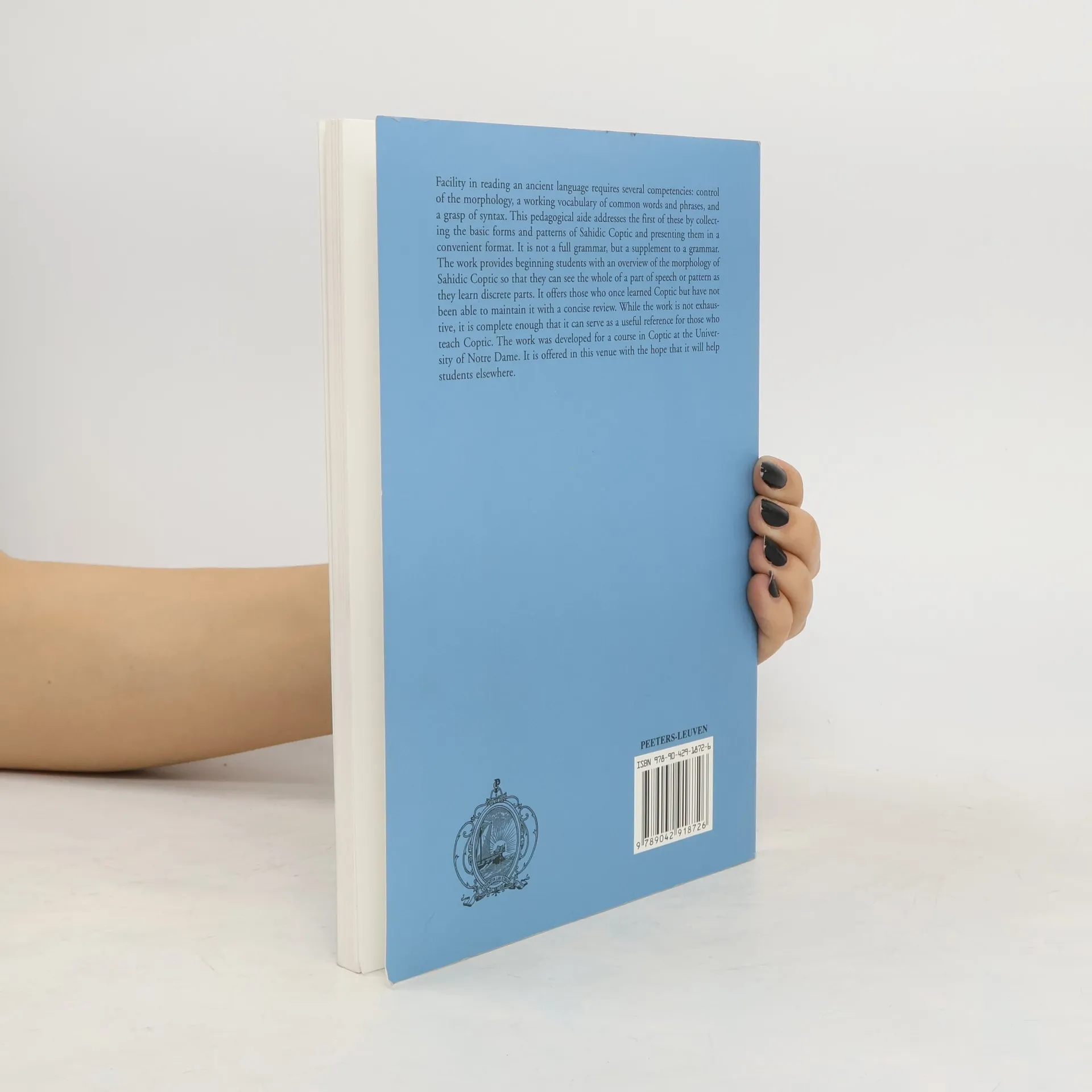
Facility in reading an ancient language requires several control of the morphology, a working vocabulary of common words and phrases, and a grasp of syntax. This pedagogical aide addresses the first of these by collecting the basic forms and patterns of Sahidic Coptic and presenting them in a convenient format. It is not a full grammar, but a supplement to a grammar. The work provides beginning students with an overview of the morphology of Sahidic Coptic so that they can see the whole of a part of speech or pattern as they learn discrete parts. It offers those who once learned Coptic but have not been able to maintain it with a concise review. While the work is not exhaustive, it is complete enough that it can serve as a useful reference for those who teach Coptic. The work was developed for a course in Coptic at the University of Notre Dame. It is offered in this venue with the hope that it will help students elsewhere.
Nákup knihy
Coptic Paradigms, Gregory E. Sterling
- Jazyk

- Rok vydání
- 2008
- Vazba
- (měkká)
Doručení
Platební metody
Nikdo zatím neohodnotil.
- Titul
- Coptic Paradigms
- Jazyk
- anglicky
- Autoři
- Gregory E. Sterling
- Vydavatel
- Peeters
- Rok vydání
- 2008
- Vazba
- měkká
- Počet stran
- 95
- ISBN10
- 9042918721
- ISBN13
- 9789042918726
- Série
- Štítky
- Jazykové učebnice & Slovníky, Příručky a návody, Starověk, antika, Systematická teologie, dogmatika
- Anotace
- Facility in reading an ancient language requires several control of the morphology, a working vocabulary of common words and phrases, and a grasp of syntax. This pedagogical aide addresses the first of these by collecting the basic forms and patterns of Sahidic Coptic and presenting them in a convenient format. It is not a full grammar, but a supplement to a grammar. The work provides beginning students with an overview of the morphology of Sahidic Coptic so that they can see the whole of a part of speech or pattern as they learn discrete parts. It offers those who once learned Coptic but have not been able to maintain it with a concise review. While the work is not exhaustive, it is complete enough that it can serve as a useful reference for those who teach Coptic. The work was developed for a course in Coptic at the University of Notre Dame. It is offered in this venue with the hope that it will help students elsewhere.