

Artifacts
Autoři
Více o knize
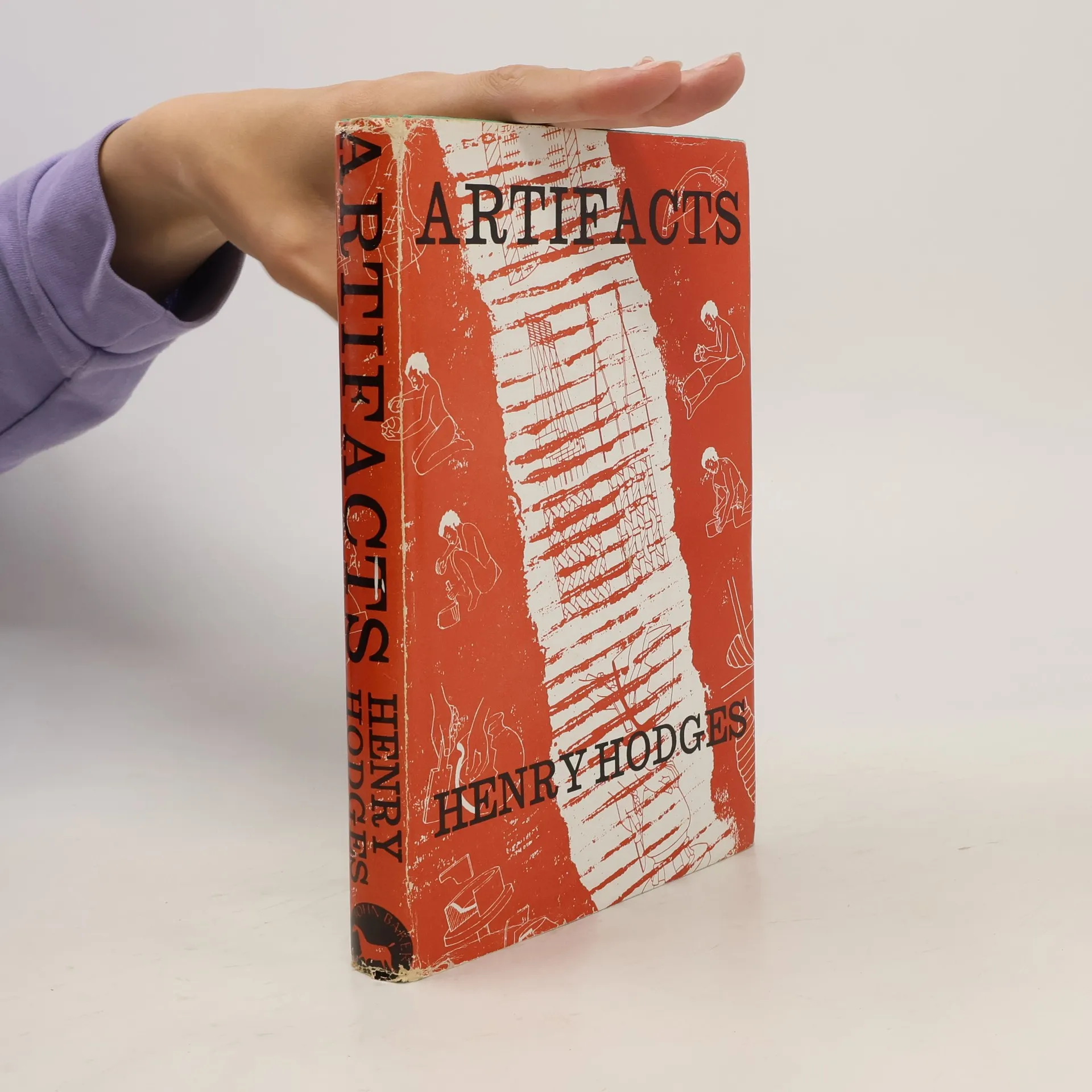
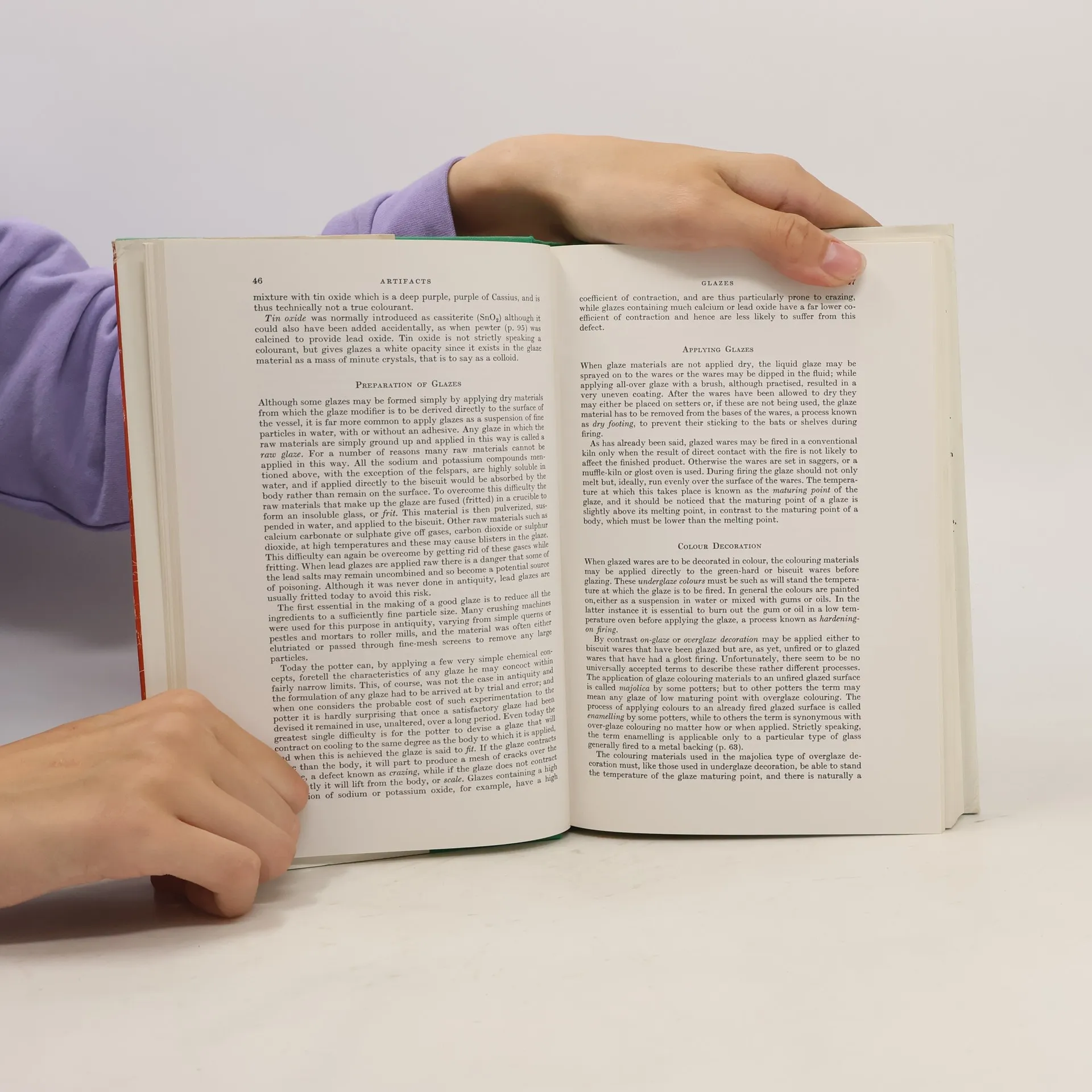
Our understanding of the daily life of early man depends to a large extent on our knowledge of the materials and manufacturing techniques that were used in the production of ancient artifacts. Such a study applied to surviving objects can also give us unexpected information about the spread of trade and its chronology, and about the transmission and adaptation of techniques among different peoples.Many books have been written on archaeological methods such as excavation, but the process of technological investigation has been less widely discussed. This book has established itself as the standard introductory account.Part One treats the raw materials themselves -- everything from clay, glass, metals and stone to wood, fibers, leather, bone, dyes and pigments -- and describes the various methods of working. Part Two outlines the general principles of laboratory examination employed by specialists in the relevant naturalsciences.
Nákup knihy
Artifacts, Henry Hodges
- Jazyk

- Rok vydání
- 1971
- Vazba
- (pevná)
Doručení
Platební metody
Nikdo zatím neohodnotil.
- Titul
- Artifacts
- Jazyk
- anglicky
- Autoři
- Henry Hodges
- Vydavatel
- Hollen Street Press
- Rok vydání
- 1971
- Vazba
- pevná
- Počet stran
- 248
- ISBN10
- 0212359185
- ISBN13
- 9780212359189
- Série
- Kategorie
- Štítky
- Světová literatura
- Anotace
- Our understanding of the daily life of early man depends to a large extent on our knowledge of the materials and manufacturing techniques that were used in the production of ancient artifacts. Such a study applied to surviving objects can also give us unexpected information about the spread of trade and its chronology, and about the transmission and adaptation of techniques among different peoples.Many books have been written on archaeological methods such as excavation, but the process of technological investigation has been less widely discussed. This book has established itself as the standard introductory account.Part One treats the raw materials themselves -- everything from clay, glass, metals and stone to wood, fibers, leather, bone, dyes and pigments -- and describes the various methods of working. Part Two outlines the general principles of laboratory examination employed by specialists in the relevant naturalsciences.