

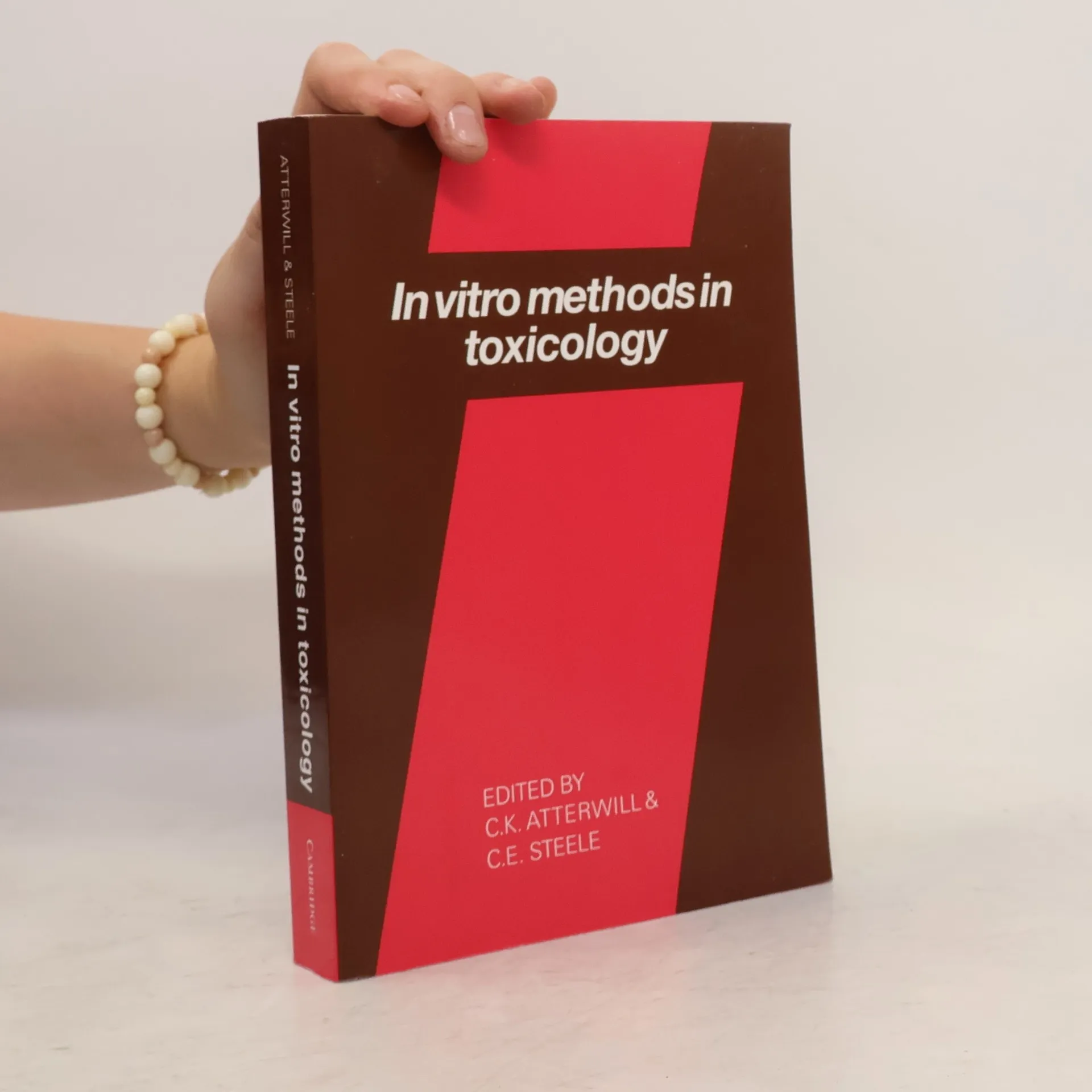
In Vitro Methods in Toxicology
Více o knize
First published in 1987, this book describes tissue (cell and organ) culture techniques which could be used at a critical predevelopment stage to screen for drug-inducing toxicity or to analyse the molecular mechanisms of toxicity at a later stage in parallel with investigative studies. This type of research has important ethical, financial and scientific implications. In particular, less animals and compound are required in in vitro research and more detailed information at the cellular and subcellular levels can be obtained. The volume brings together the once disparate knowledge of cultural techniques and thus provides an important reference work for industrial and academic toxicologists. It could also form a framework for discussion of potential improvements and modification of toxicity testing.
Nákup knihy
In Vitro Methods in Toxicology, C.K. Atterwill, C.E. Steele
- Jazyk

- Rok vydání
- 2009
- Vazba
- (měkká)
Doručení
Platební metody
Nikdo zatím neohodnotil.
- Titul
- In Vitro Methods in Toxicology
- Jazyk
- anglicky
- Autoři
- C.K. Atterwill, C.E. Steele
- Vydavatel
- Cambridge University Press
- Rok vydání
- 2009
- Vazba
- měkká
- Počet stran
- 472
- ISBN10
- 0521104750
- ISBN13
- 9780521104753
- Série
- Kategorie
- Anotace
- First published in 1987, this book describes tissue (cell and organ) culture techniques which could be used at a critical predevelopment stage to screen for drug-inducing toxicity or to analyse the molecular mechanisms of toxicity at a later stage in parallel with investigative studies. This type of research has important ethical, financial and scientific implications. In particular, less animals and compound are required in in vitro research and more detailed information at the cellular and subcellular levels can be obtained. The volume brings together the once disparate knowledge of cultural techniques and thus provides an important reference work for industrial and academic toxicologists. It could also form a framework for discussion of potential improvements and modification of toxicity testing.