

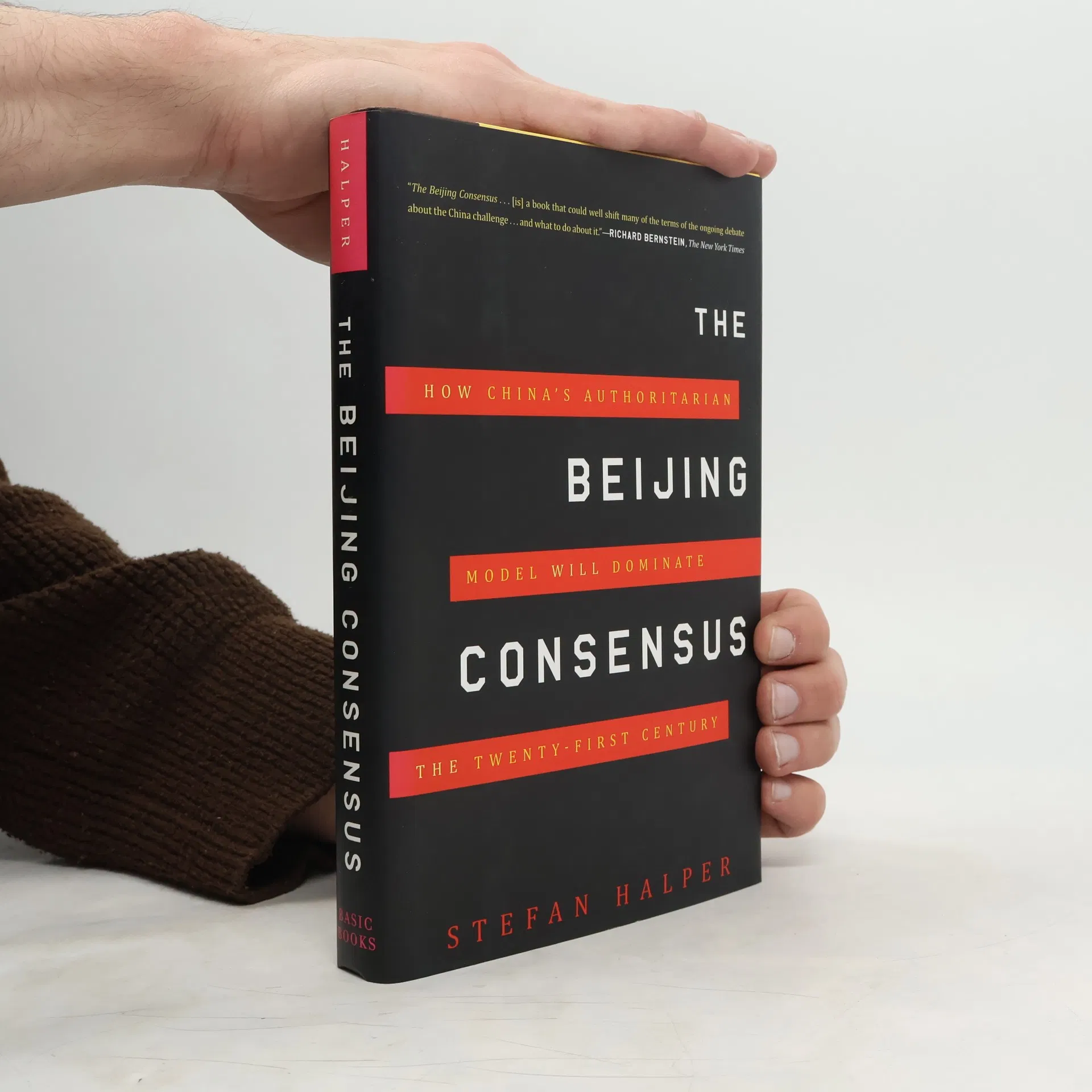


The Beijing Consensus
How China's Authoritarian Model Will Dominate the Twenty-First Century
Autoři
Hodnocení knihy
Více o knize
Beijing presents a clear and gathering threat to Washington—but not for the reasons you think. China's challenge to the West stems from its transformative brand of capitalism and an entirely different conception of the international community. Taking us on a whirlwind tour of China in the world—from dictators in Africa to oligarchs in Southeast Asia to South American strongmen—Halper demonstrates that China's illiberal vision is rapidly replacing that of the so-called Washington Consensus. Instead of promoting democracy through economic aid, as does the West, China offers no-strings-attached gifts and loans, a policy designed to build a new Beijing Consensus. The autonomy China offers, together with the appeal of its illiberal capitalism, have become the dual engines for the diffusion of power away from the West. The Beijing Consensus is the one book to read to understand this new Great Game in all its complexity.
Nákup knihy
The Beijing Consensus, Stefan A. Halper
- Jazyk

- Rok vydání
- 2010
- Vazba
- (pevná),
- Stav knihy
- Velmi dobrá
- Cena
- 249 Kč
Doručení
Platební metody
Tady nám chybí tvá recenze.
- Titul
- The Beijing Consensus
- Podtitul
- How China's Authoritarian Model Will Dominate the Twenty-First Century
- Jazyk
- anglicky
- Autoři
- Stefan A. Halper
- Vydavatel
- Basic Books
- Rok vydání
- 2010
- Vazba
- pevná
- Počet stran
- 312
- ISBN10
- 0465013619
- ISBN13
- 9780465013616
- Série
- Štítky
- Byznys, Asie, Čína, Mezinárodní vztahy
- Hodnocení
- 3,5 z 5
- Anotace
- Beijing presents a clear and gathering threat to Washington—but not for the reasons you think. China's challenge to the West stems from its transformative brand of capitalism and an entirely different conception of the international community. Taking us on a whirlwind tour of China in the world—from dictators in Africa to oligarchs in Southeast Asia to South American strongmen—Halper demonstrates that China's illiberal vision is rapidly replacing that of the so-called Washington Consensus. Instead of promoting democracy through economic aid, as does the West, China offers no-strings-attached gifts and loans, a policy designed to build a new Beijing Consensus. The autonomy China offers, together with the appeal of its illiberal capitalism, have become the dual engines for the diffusion of power away from the West. The Beijing Consensus is the one book to read to understand this new Great Game in all its complexity.