

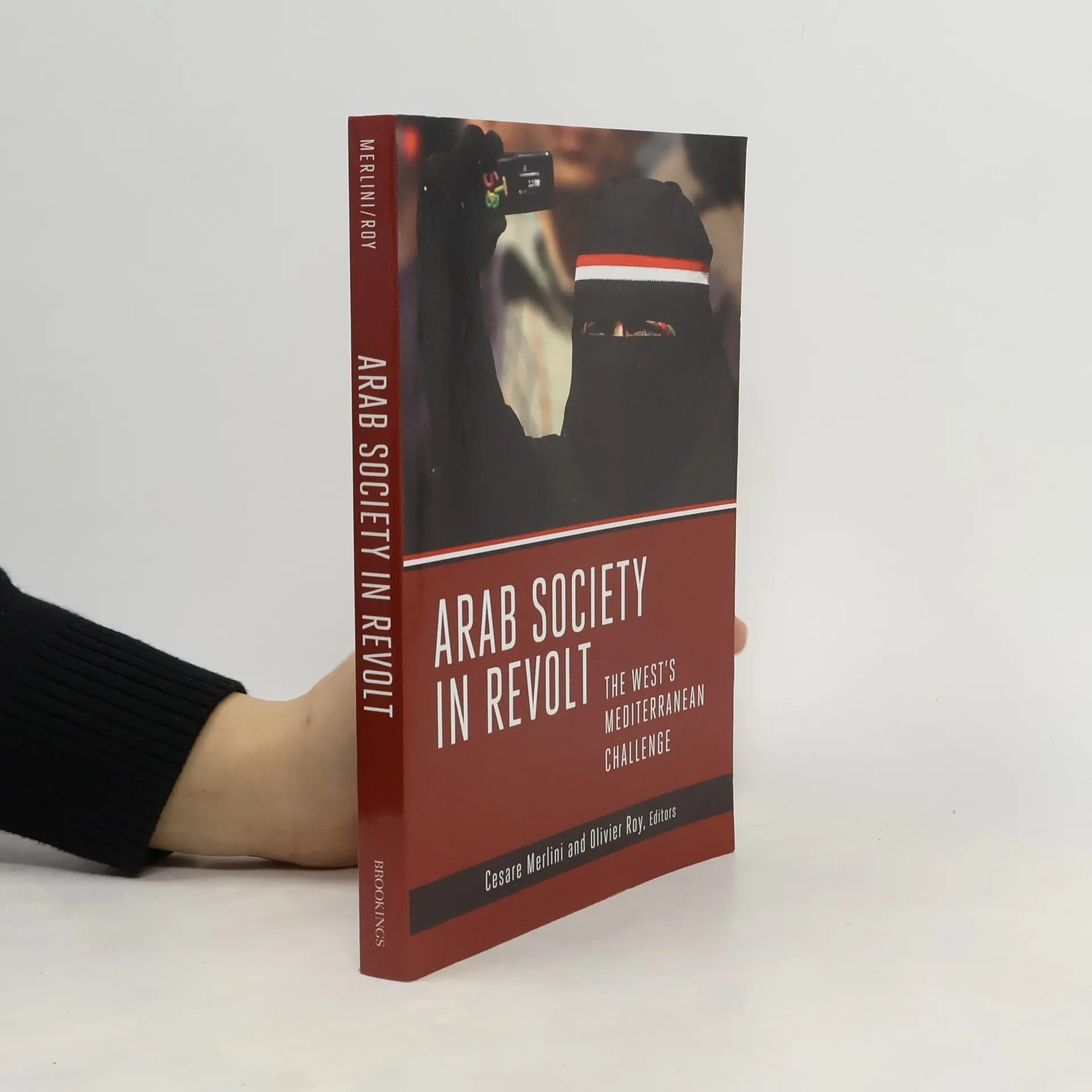


Arab Society in Revolt
The West's Mediterranean Challenge
Hodnocení knihy
Více o knize
This book offers diverse perspectives on the complexity and uncertainty of recent events in the Arab world, highlighting critical social forces such as demography, religion, gender, telecommunication connectivity, and economic structures. The Arab Spring marked a significant period of change for North African and eastern Mediterranean states, leading to fundamental transitions in governance alongside profound social, cultural, and religious shifts. The European Union and the United States, caught off guard by these uprisings, now face the challenge of addressing these transformations amid international economic uncertainty and declining U.S. influence. The text interprets the societal changes in the Arab Muslim world and their implications for the West, proposing potential policy responses. It delves into key areas of change relevant to the southern Mediterranean, including demographic shifts, the interplay of Islamic revival and democracy, evolving roles of women, the impact of the Internet, and the role of entrepreneurship in driving change. Additionally, it examines the cultural, religious, political, and economic factors that have shaped Western responses to the Arab Spring and the policy options that remain available.
Nákup knihy
Arab Society in Revolt, Olivier Roy, Cesare Merlini
- Jazyk

- Rok vydání
- 2012
- Vazba
- (měkká)
Doručení
Platební metody
Tady nám chybí tvá recenze.
- Titul
- Arab Society in Revolt
- Podtitul
- The West's Mediterranean Challenge
- Jazyk
- anglicky
- Autoři
- Olivier Roy, Cesare Merlini
- Vydavatel
- Brookings Institution
- Rok vydání
- 2012
- Vazba
- měkká
- Počet stran
- 281
- ISBN10
- 0815723962
- ISBN13
- 9780815723967
- Série
- Štítky
- Historické téma
- Hodnocení
- 4,65 z 5
- Anotace
- This book offers diverse perspectives on the complexity and uncertainty of recent events in the Arab world, highlighting critical social forces such as demography, religion, gender, telecommunication connectivity, and economic structures. The Arab Spring marked a significant period of change for North African and eastern Mediterranean states, leading to fundamental transitions in governance alongside profound social, cultural, and religious shifts. The European Union and the United States, caught off guard by these uprisings, now face the challenge of addressing these transformations amid international economic uncertainty and declining U.S. influence. The text interprets the societal changes in the Arab Muslim world and their implications for the West, proposing potential policy responses. It delves into key areas of change relevant to the southern Mediterranean, including demographic shifts, the interplay of Islamic revival and democracy, evolving roles of women, the impact of the Internet, and the role of entrepreneurship in driving change. Additionally, it examines the cultural, religious, political, and economic factors that have shaped Western responses to the Arab Spring and the policy options that remain available.