

Parametry
Více o knize
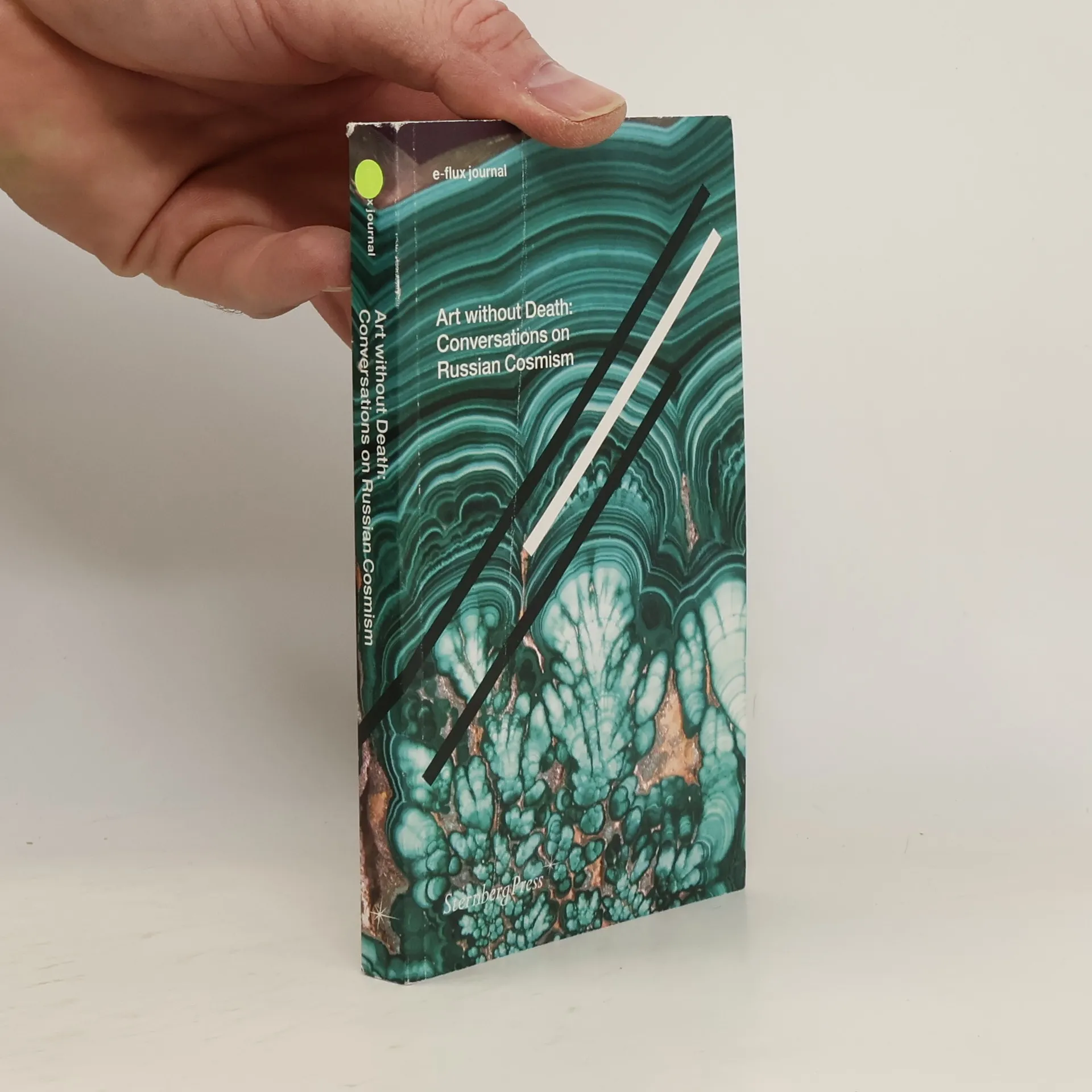
Today, many of us can remember the disappeared indigenous cosmologies as parts of ourselves, lost to colonialism, industrialization, communist revolutions, and capitalist wars. Many names have been given to ideological or historical grand narratives to soothe the pain of loss, to register those losses and render them searchable, but these memorializing mechanisms still fail to register the pain of losing something much larger that cannot be named—a deep relation to the world, to the cosmos, and to ourselves that gives us strength and sovereignty without need for any other earthly power of right or dominion. What if another kind of modernity had been developed which was even more radical—so much so that its forward arrow actually sought to conserve and preserve previous lifeworlds against the ravages not of vanguardist reforms but of time itself? And reanimate those worlds. It would project a different kind of modernity altogether, beyond right or wrong sides of history, without victors and victims.
Nákup knihy
Art without Death, Kolektiv autorů
- Jazyk

- Rok vydání
- 2017
- Vazba
- (měkká)
Doručení
Platební metody
Tady nám chybí tvá recenze.
- Titul
- Art without Death
- Podtitul
- Conversations on Russian Cosmism
- Jazyk
- anglicky
- Autoři
- Kolektiv autorů
- Vydavatel
- National Geographic Books
- Rok vydání
- 2017
- Vazba
- měkká
- ISBN10
- 3956793528
- ISBN13
- 9783956793523
- Série
- Štítky
- Umění
- Hodnocení
- 4,2 z 5
- Anotace
- Today, many of us can remember the disappeared indigenous cosmologies as parts of ourselves, lost to colonialism, industrialization, communist revolutions, and capitalist wars. Many names have been given to ideological or historical grand narratives to soothe the pain of loss, to register those losses and render them searchable, but these memorializing mechanisms still fail to register the pain of losing something much larger that cannot be named—a deep relation to the world, to the cosmos, and to ourselves that gives us strength and sovereignty without need for any other earthly power of right or dominion. What if another kind of modernity had been developed which was even more radical—so much so that its forward arrow actually sought to conserve and preserve previous lifeworlds against the ravages not of vanguardist reforms but of time itself? And reanimate those worlds. It would project a different kind of modernity altogether, beyond right or wrong sides of history, without victors and victims.