



Více o knize
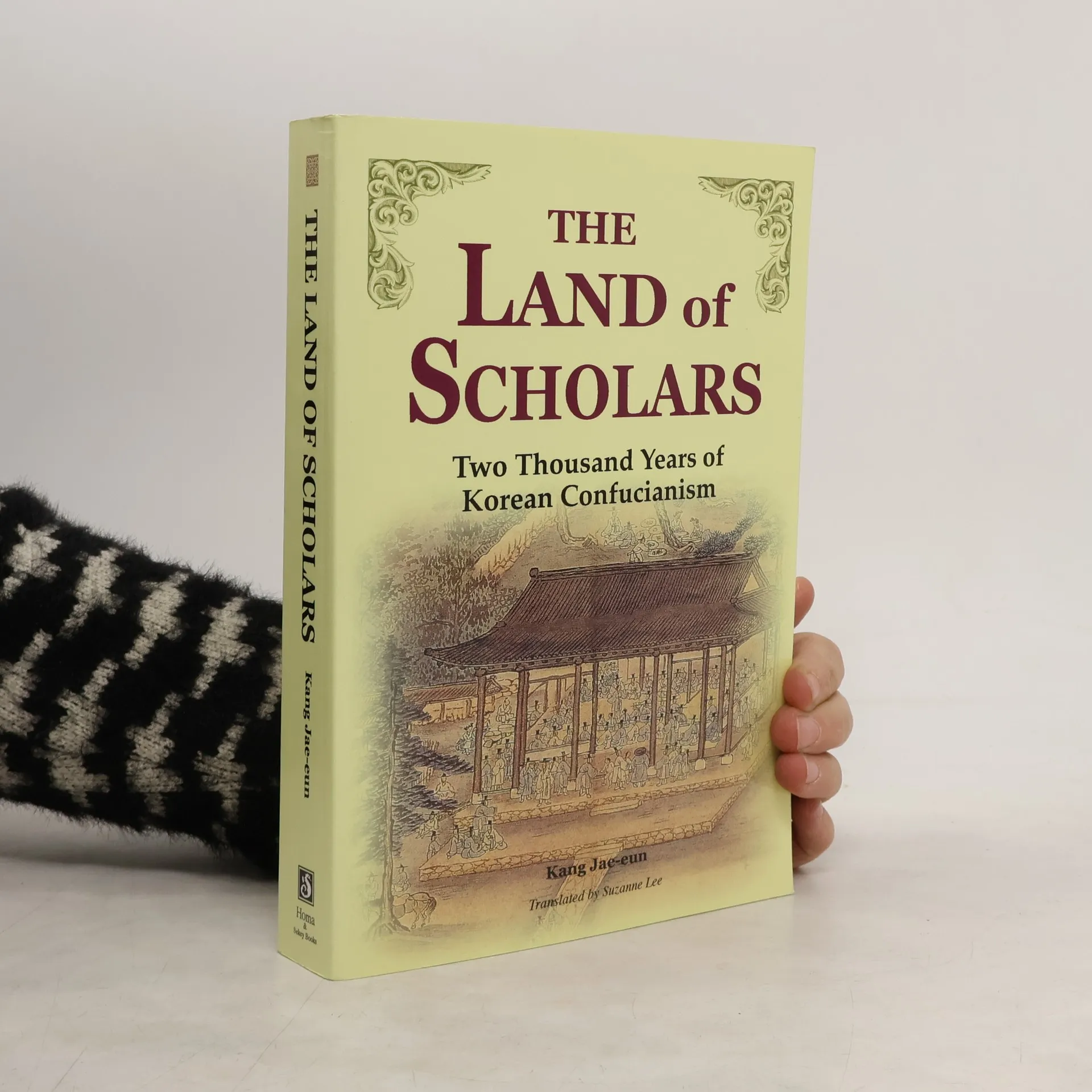
This book discusses the historical development of Korean Confucianism in terms of its social functions. It also examines the types of transfiguration Confucianism underwent and the role it played in each period of Korean history. The Land of Scholars spans from the Three Kingdoms period in 18 BC to the Joseon dynasty in 1910. The book not only gives a comprehensive and in-depth survey of the history of Korean Confucian thought but also touches on the transmission of Buddhism, Confucianism, and Christianity in Korea. Kang Jae-eun approaches the significance of Confucianism from the perspective of its cultural and social context. He explains Confucianism from a viewpoint that reflects on exchanges between Korea and Japan and the broader context of East Asian relationships. Kang also challenges the views of some Korean academics whose works on Confucianism are considered to be distortions and misinterpretations.
Nákup knihy
The Land of Scholars, Jae-Un Kang, Chae-ŏn Kang, Suzanne Lee
- Jazyk

- Rok vydání
- 2005
- Vazba
- (měkká)
Doručení
Platební metody
Tady nám chybí tvá recenze.
- Titul
- The Land of Scholars
- Podtitul
- Two Thousand Years of Korean Confucianism
- Jazyk
- anglicky
- Autoři
- Jae-Un Kang, Chae-ŏn Kang, Suzanne Lee
- Vydavatel
- HOMA & SEKEY BOOKS
- Rok vydání
- 2005
- Vazba
- měkká
- Počet stran
- 552
- ISBN10
- 1931907374
- ISBN13
- 9781931907378
- Série
- Kategorie
- Štítky
- Historické téma, Náboženská témata, Filosofická tématika, Teologie, Asie, Čína, Civilizace, Korea, Konfucianismus, Indická filozofie
- Hodnocení
- 4 z 5
- Anotace
- This book discusses the historical development of Korean Confucianism in terms of its social functions. It also examines the types of transfiguration Confucianism underwent and the role it played in each period of Korean history. The Land of Scholars spans from the Three Kingdoms period in 18 BC to the Joseon dynasty in 1910. The book not only gives a comprehensive and in-depth survey of the history of Korean Confucian thought but also touches on the transmission of Buddhism, Confucianism, and Christianity in Korea. Kang Jae-eun approaches the significance of Confucianism from the perspective of its cultural and social context. He explains Confucianism from a viewpoint that reflects on exchanges between Korea and Japan and the broader context of East Asian relationships. Kang also challenges the views of some Korean academics whose works on Confucianism are considered to be distortions and misinterpretations.