

Více o knize
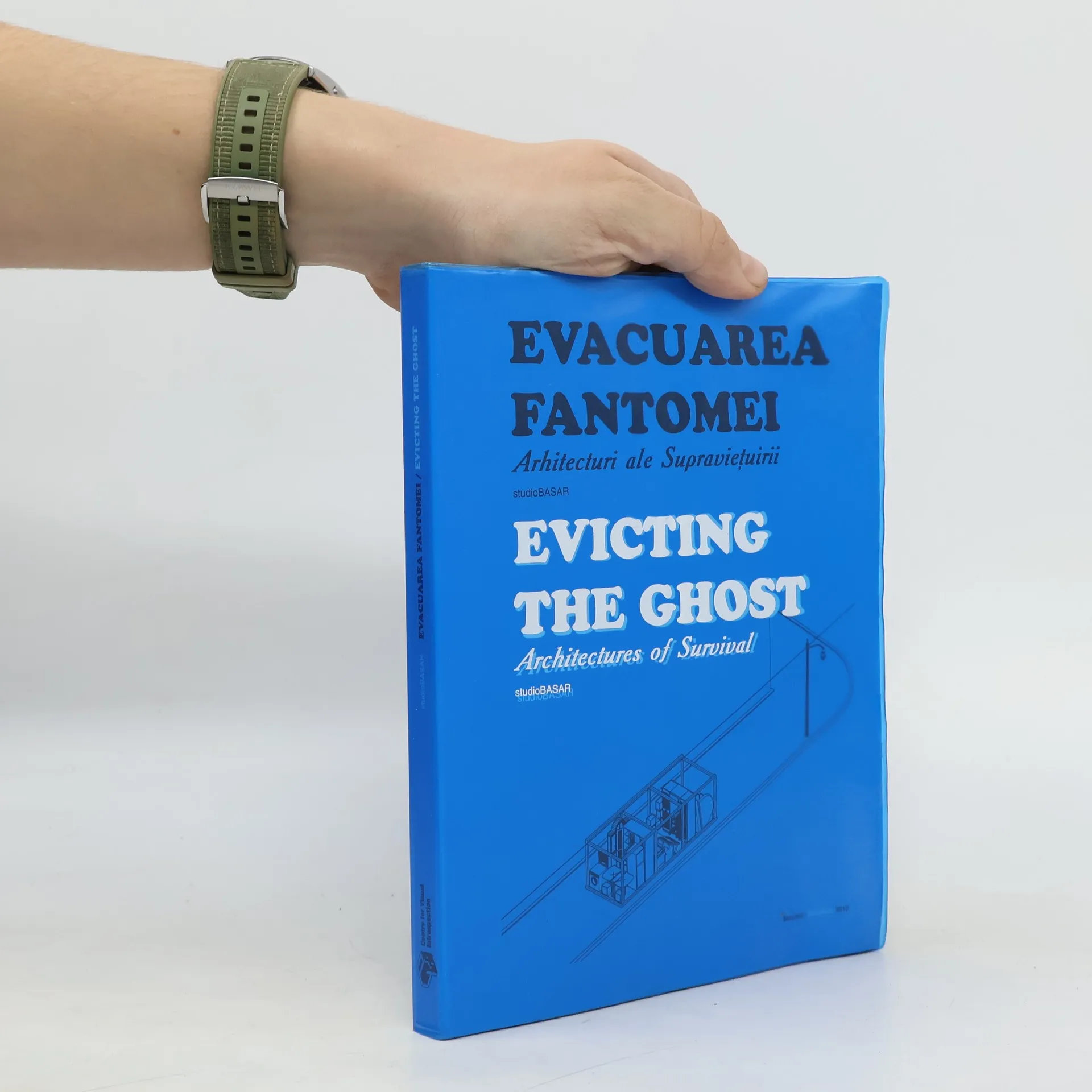
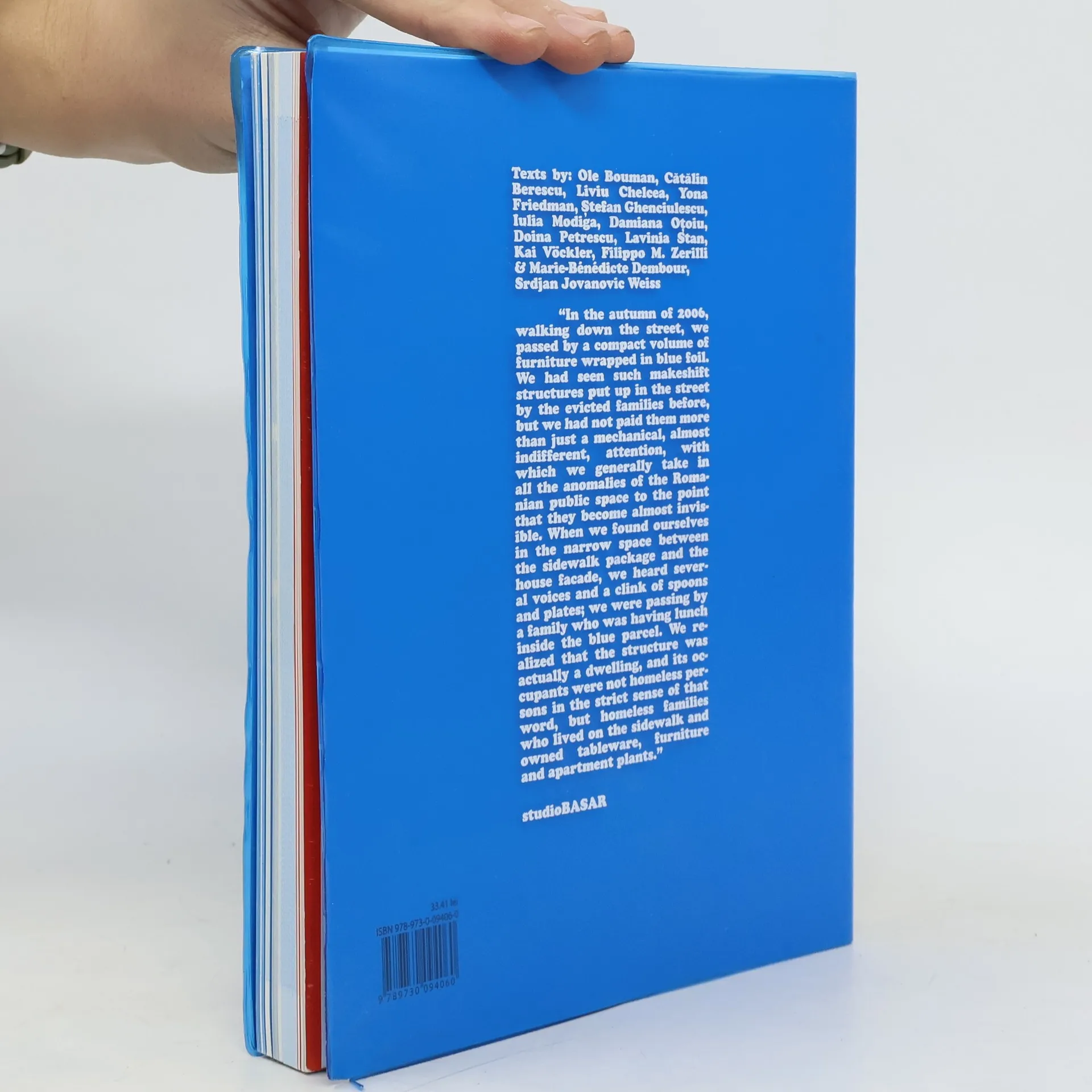
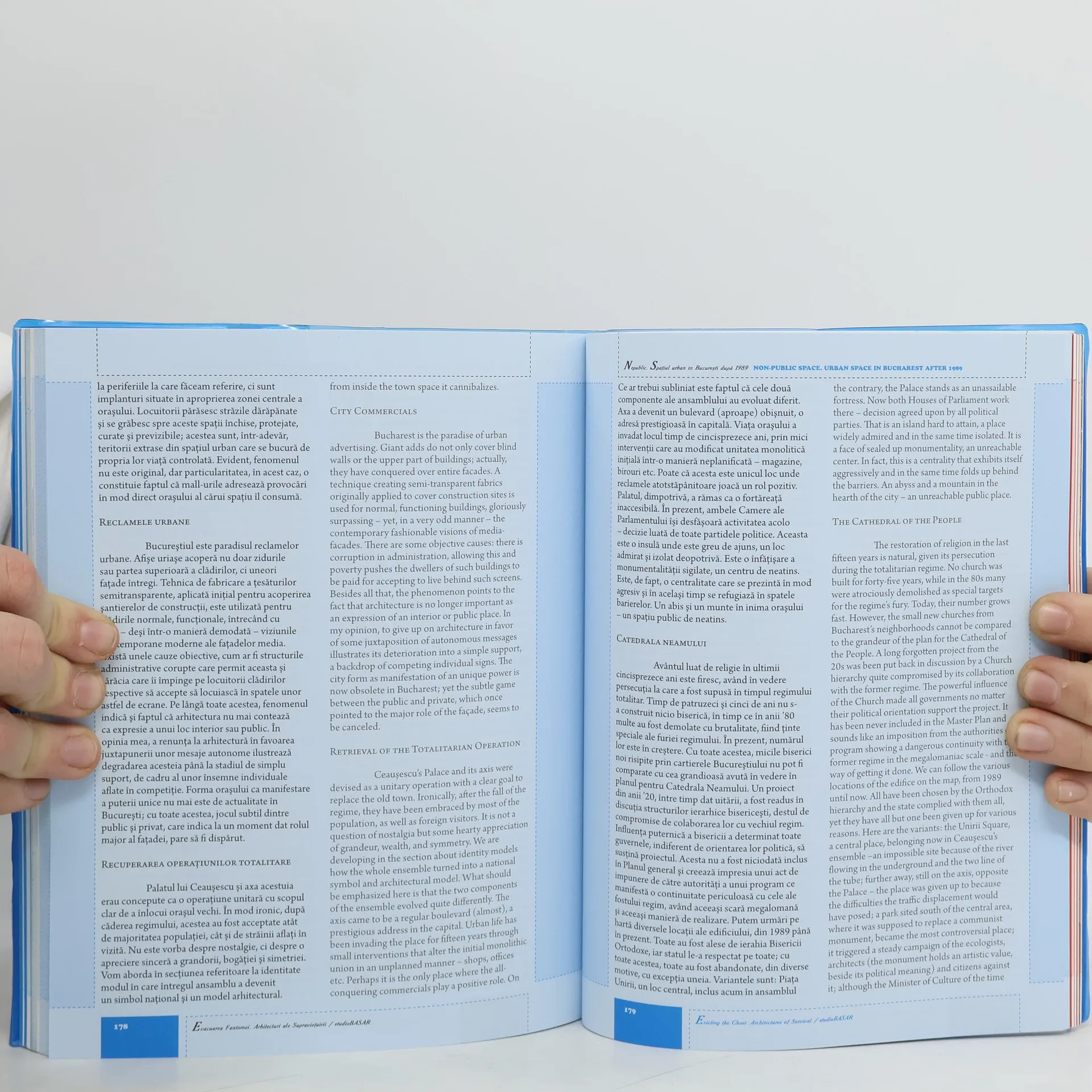
The book EVICTING THE GHOST. ARCHITECTURES OF SURVIVAL examines a specific phenomenon of recent Romanian social nationalisation, retrocession, eviction. The study carried out by the studioBASAR architectural group presents the multifaceted reality of forced evictions and includes information about the legislative history of these evictions, the uncertain status of private property owners in Romania over the last one and a half centuries, the stages of eviction, the stories of a number of families subjected to these measures, and a typology of the dwelling places developed by those evicted, expressions of contemporary urban survival. The case studies are presented in the form of an archive, but they can be seen as dioramas of the conflicts and disturbances suffered by post-1989 Romanian society. Approached with the distance characteristic of a scientific atlas book, the research initiated by studioBASAR architectural studio highlights the fight for survival, played here against the setting of a contemporary city and the precarious balance between the institutionalised discourse of the rule of law and the present condition of the individual.
Nákup knihy
Evacuarea fantomei, Alina Şerban
- Jazyk

- Rok vydání
- 2010
Doručení
Platební metody
Nikdo zatím neohodnotil.
- Titul
- Evacuarea fantomei
- Podtitul
- arhitecturi ale supravieţuirii
- Jazyk
- anglicky
- Autoři
- Alina Şerban
- Vydavatel
- studioBASAR
- Rok vydání
- 2010
- Počet stran
- 240
- ISBN10
- 9730094063
- ISBN13
- 9789730094060
- Série
- Kategorie
- Anotace
- The book EVICTING THE GHOST. ARCHITECTURES OF SURVIVAL examines a specific phenomenon of recent Romanian social nationalisation, retrocession, eviction. The study carried out by the studioBASAR architectural group presents the multifaceted reality of forced evictions and includes information about the legislative history of these evictions, the uncertain status of private property owners in Romania over the last one and a half centuries, the stages of eviction, the stories of a number of families subjected to these measures, and a typology of the dwelling places developed by those evicted, expressions of contemporary urban survival. The case studies are presented in the form of an archive, but they can be seen as dioramas of the conflicts and disturbances suffered by post-1989 Romanian society. Approached with the distance characteristic of a scientific atlas book, the research initiated by studioBASAR architectural studio highlights the fight for survival, played here against the setting of a contemporary city and the precarious balance between the institutionalised discourse of the rule of law and the present condition of the individual.