

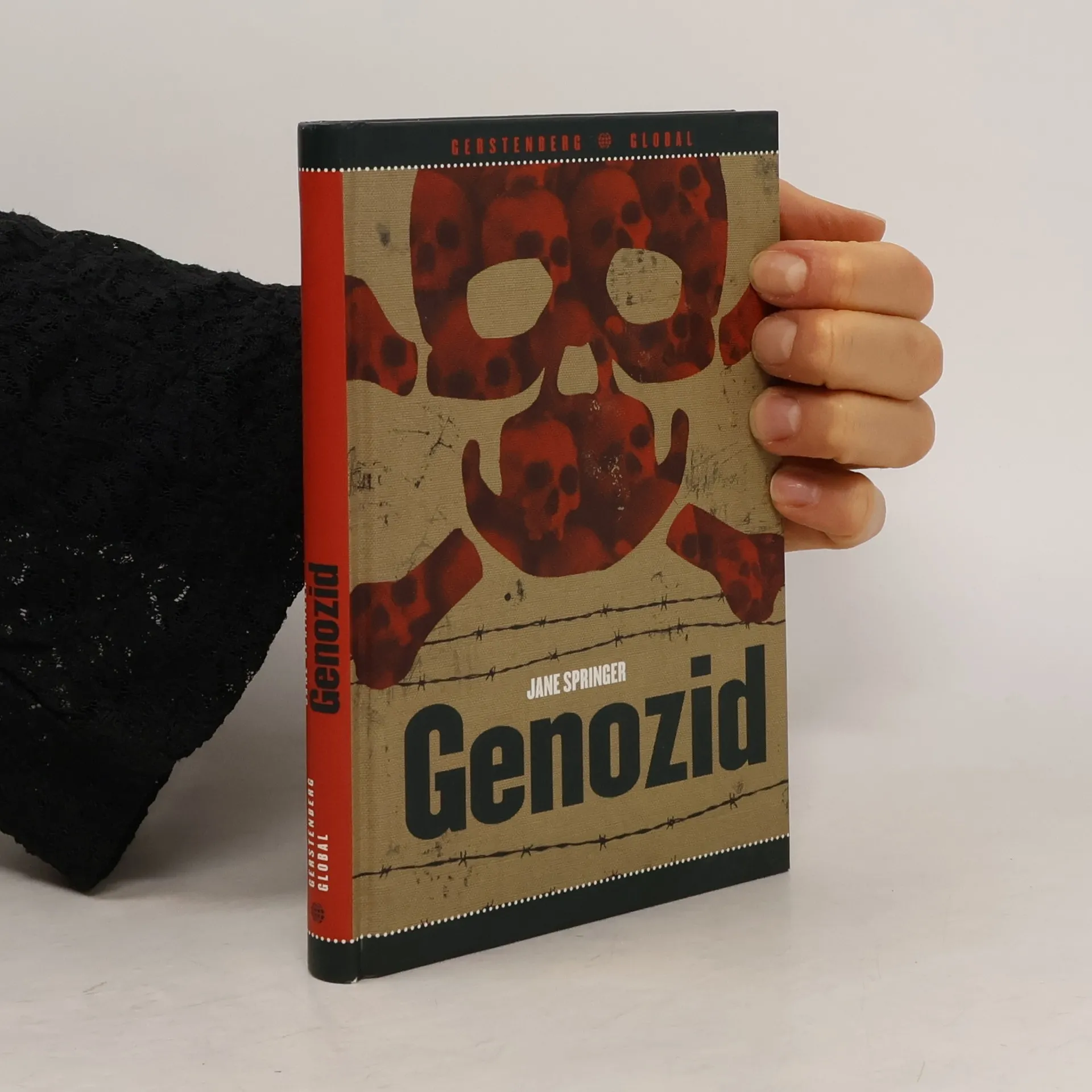

Genozid
Více o knize
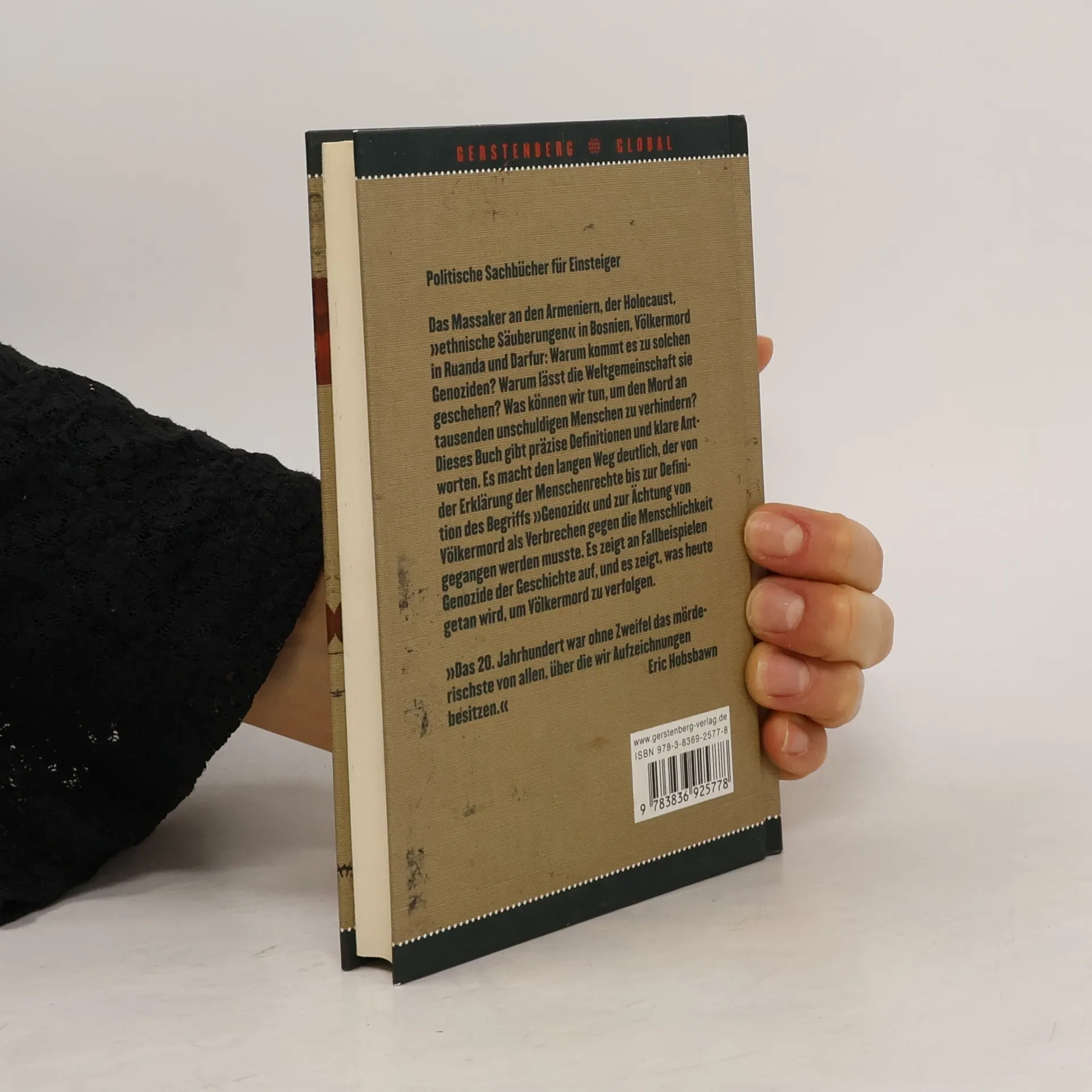
Some view the systematic killing, rape, and destruction of homes in Darfur as a grave humanitarian crisis. For others, it's a clear example of the ultimate crime against humanity — genocide. Who is right? What is genocide? Who are the endangered human beings in today's world? What is the impact on humanity of wiping out entire groups of people? This thoughtful book helps young readers understand these and other difficult questions. Providing an overview of the history of genocide worldwide, the book explores the paradox that while a person who murders another person can be tried and even executed for the crime, a person who murders hundreds or thousands of people usually goes free. Using case studies of acts of genocide throughout history, the book points out the unique character of each while at the same time establishing important links between them. Most importantly, the book answers the question, What can be done to prevent genocide from happening in the future?
Nákup knihy
Genozid, Birgit Fricke, Jane Springer
- Jazyk

- Rok vydání
- 2007
- Vazba
- (pevná)
Doručení
Platební metody
Nikdo zatím neohodnotil.
- Titul
- Genozid
- Jazyk
- německy
- Autoři
- Birgit Fricke, Jane Springer
- Vydavatel
- Gerstenberg
- Rok vydání
- 2007
- Vazba
- pevná
- Počet stran
- 144
- ISBN10
- 383692577X
- ISBN13
- 9783836925778
- Série
- Kategorie
- Štítky
- Historické téma, Politika, Genocida
- Anotace
- Some view the systematic killing, rape, and destruction of homes in Darfur as a grave humanitarian crisis. For others, it's a clear example of the ultimate crime against humanity — genocide. Who is right? What is genocide? Who are the endangered human beings in today's world? What is the impact on humanity of wiping out entire groups of people? This thoughtful book helps young readers understand these and other difficult questions. Providing an overview of the history of genocide worldwide, the book explores the paradox that while a person who murders another person can be tried and even executed for the crime, a person who murders hundreds or thousands of people usually goes free. Using case studies of acts of genocide throughout history, the book points out the unique character of each while at the same time establishing important links between them. Most importantly, the book answers the question, What can be done to prevent genocide from happening in the future?