

Parametry
- 256 stránek
- 9 hodin čtení
Více o knize
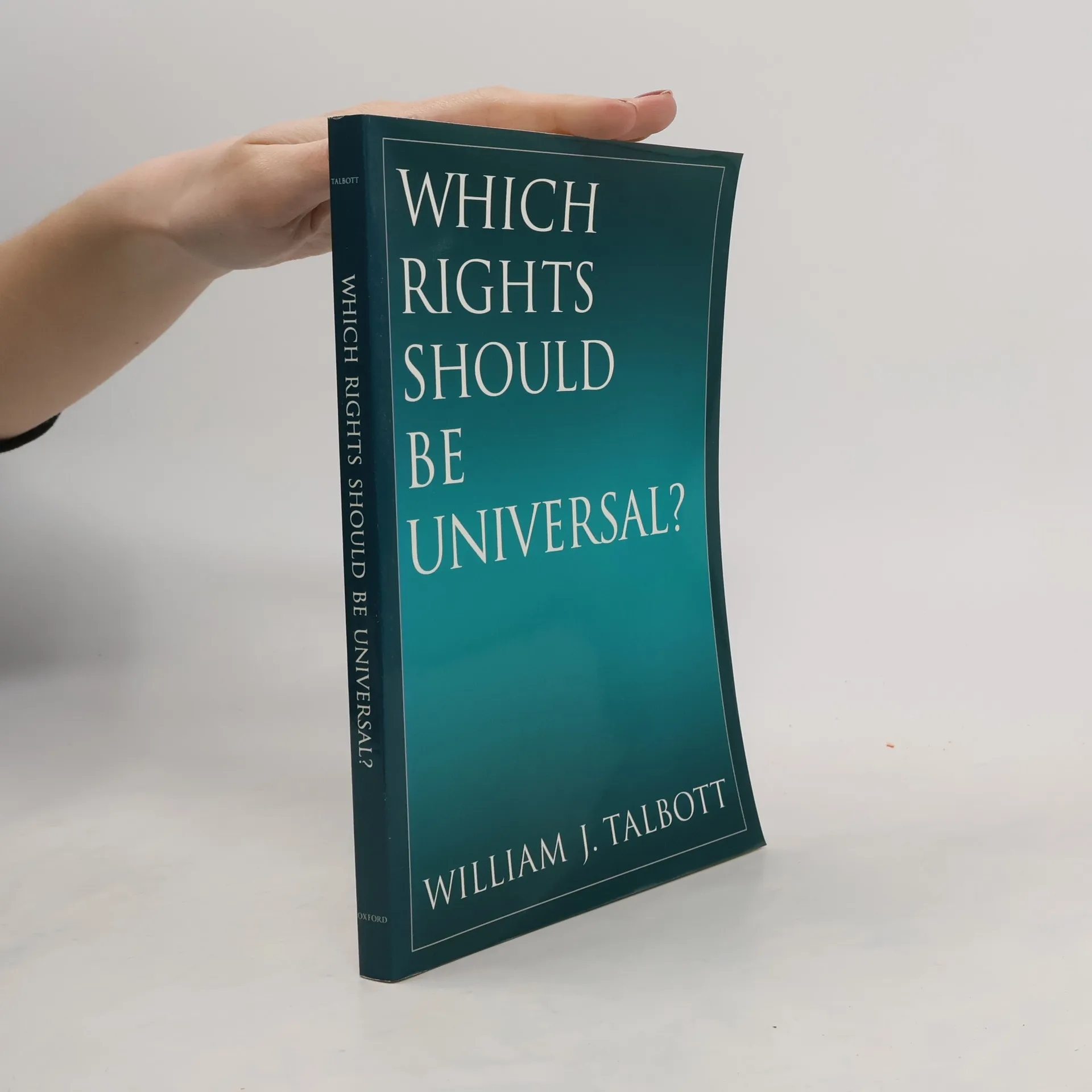
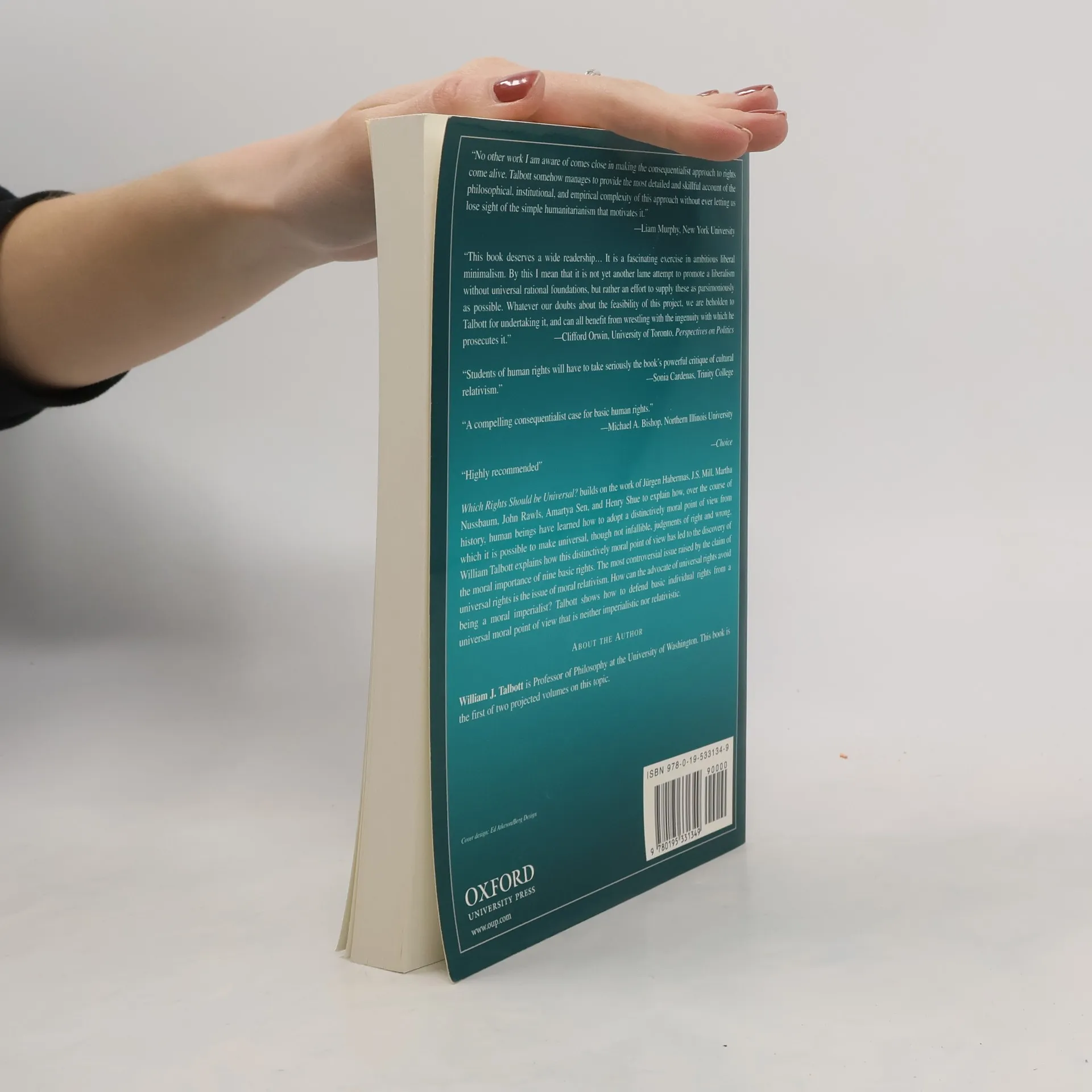
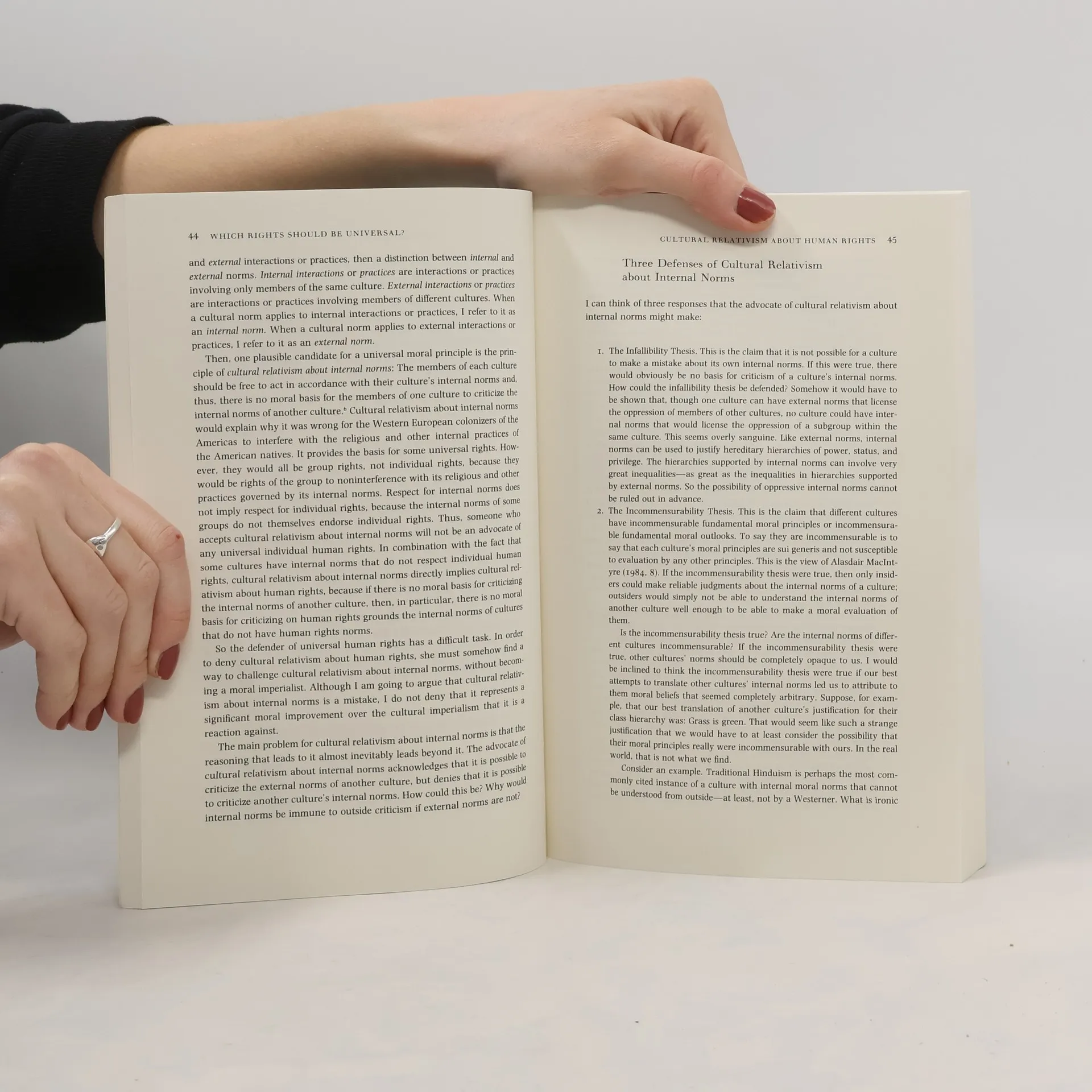
"We hold these truths to be self-evident..." begins the U.S. Declaration of Independence, which endorses universal rights that are not as self-evident as claimed. William Talbott argues that the authors were constrained by Enlightenment presuppositions, believing there was a singular way to rationally justify universal truths through self-evident premises. In hindsight, it’s evident they lacked an infallible source of moral truth, as many supported slavery, a moral failing not recognized as self-evident at the time. Talbott builds on thinkers like John Rawls and J.S. Mill to illustrate how humanity has developed a moral perspective that allows for universal, albeit not infallible, judgments of right and wrong. This perspective has led to the recognition of nine fundamental rights. A key issue he addresses is moral relativism: how can one advocate for universal rights without being seen as a moral imperialist? Talbott defends individual rights from a universal moral standpoint that avoids both imperialism and relativism, acknowledging that everyone has moral blind spots and often relies on others to help identify them. His work engages not only with human rights debates but also with broader discussions on moral and cultural relativism, appealing to a diverse readership.
Nákup knihy
Which Rights Should Be Universal?, William J. Talbott
- Jazyk

- Rok vydání
- 2007
- Vazba
- (měkká)
Doručení
Platební metody
Tady nám chybí tvá recenze.
- Titul
- Which Rights Should Be Universal?
- Jazyk
- anglicky
- Autoři
- William J. Talbott
- Vydavatel
- Oxford University Press
- Rok vydání
- 2007
- Vazba
- měkká
- Počet stran
- 256
- ISBN10
- 0195331346
- ISBN13
- 9780195331349
- Série
- Kategorie
- Štítky
- Etika, Sociální spravedlnost, Lidská práva
- Hodnocení
- 4 z 5
- Anotace
- "We hold these truths to be self-evident..." begins the U.S. Declaration of Independence, which endorses universal rights that are not as self-evident as claimed. William Talbott argues that the authors were constrained by Enlightenment presuppositions, believing there was a singular way to rationally justify universal truths through self-evident premises. In hindsight, it’s evident they lacked an infallible source of moral truth, as many supported slavery, a moral failing not recognized as self-evident at the time. Talbott builds on thinkers like John Rawls and J.S. Mill to illustrate how humanity has developed a moral perspective that allows for universal, albeit not infallible, judgments of right and wrong. This perspective has led to the recognition of nine fundamental rights. A key issue he addresses is moral relativism: how can one advocate for universal rights without being seen as a moral imperialist? Talbott defends individual rights from a universal moral standpoint that avoids both imperialism and relativism, acknowledging that everyone has moral blind spots and often relies on others to help identify them. His work engages not only with human rights debates but also with broader discussions on moral and cultural relativism, appealing to a diverse readership.