

Více o knize
Seed and gene banks have made great strides in preserving the biological diversity of traditional agricultural plant species, but they have tended to ignore a serious the knowledge about those crops and methods of farming held by the people who have long raised them. Virginia Nazarea now makes a case for preserving cultural memory along with biodiversity. By exploring how indigenous people farm sweet potatoes in Bukidnon, Philippines, she discovers specific ways in which the conservation of genetic resources and the conservation of culture can support each other. Interweaving a wealth of ecological and cognitive data with oral history, Nazarea details a "memory banking" protocol for collecting and conserving cultural information to complement the genetic, agronomic, and biochemical characterization of important crops. She shows that memory banking offers significant benefits for local populations—not only the preservation of traditional knowledge but also the mai
Nákup knihy
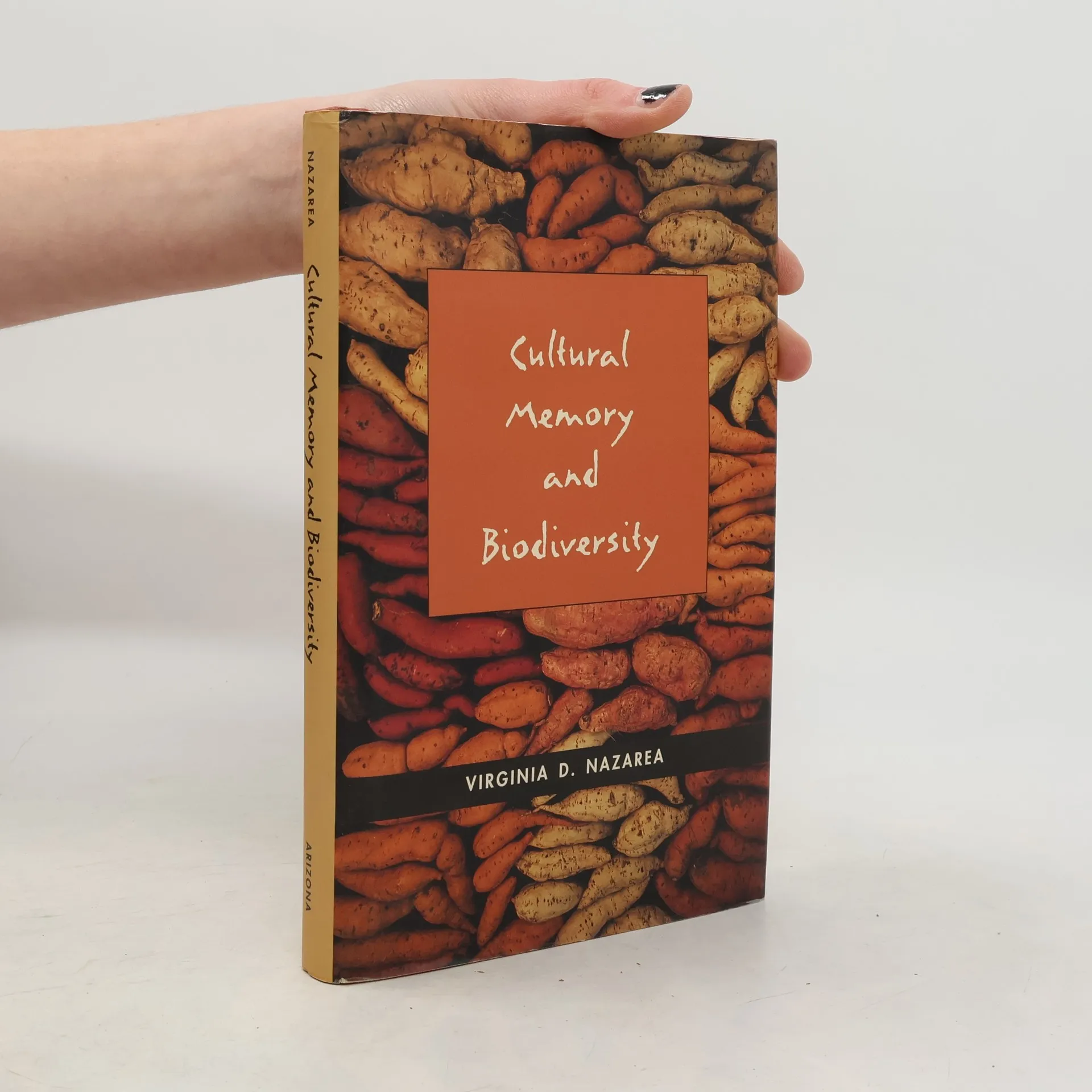
Cultural Memory and Biodiversity, Virginia D. Nazarea
- Jazyk

- Rok vydání
- 1998
- Vazba
- (pevná)
Doručení
Platební metody
Tady nám chybí tvá recenze.
- Titul
- Cultural Memory and Biodiversity
- Jazyk
- anglicky
- Autoři
- Virginia D. Nazarea
- Vydavatel
- University of Arizona Press
- Rok vydání
- 1998
- Vazba
- pevná
- Počet stran
- 189
- ISBN10
- 0816516812
- ISBN13
- 9780816516810
- Série
- Kategorie
- Štítky
- Přírodní vědy, Věda, USA, Rostliny, Ekologická tématika
- Hodnocení
- 3 z 5
- Anotace
- Seed and gene banks have made great strides in preserving the biological diversity of traditional agricultural plant species, but they have tended to ignore a serious the knowledge about those crops and methods of farming held by the people who have long raised them. Virginia Nazarea now makes a case for preserving cultural memory along with biodiversity. By exploring how indigenous people farm sweet potatoes in Bukidnon, Philippines, she discovers specific ways in which the conservation of genetic resources and the conservation of culture can support each other. Interweaving a wealth of ecological and cognitive data with oral history, Nazarea details a "memory banking" protocol for collecting and conserving cultural information to complement the genetic, agronomic, and biochemical characterization of important crops. She shows that memory banking offers significant benefits for local populations—not only the preservation of traditional knowledge but also the mai