



Russia Without Putin
Money, Power and the Myths of the New Cold War
Autoři
Hodnocení knihy
Více o knize
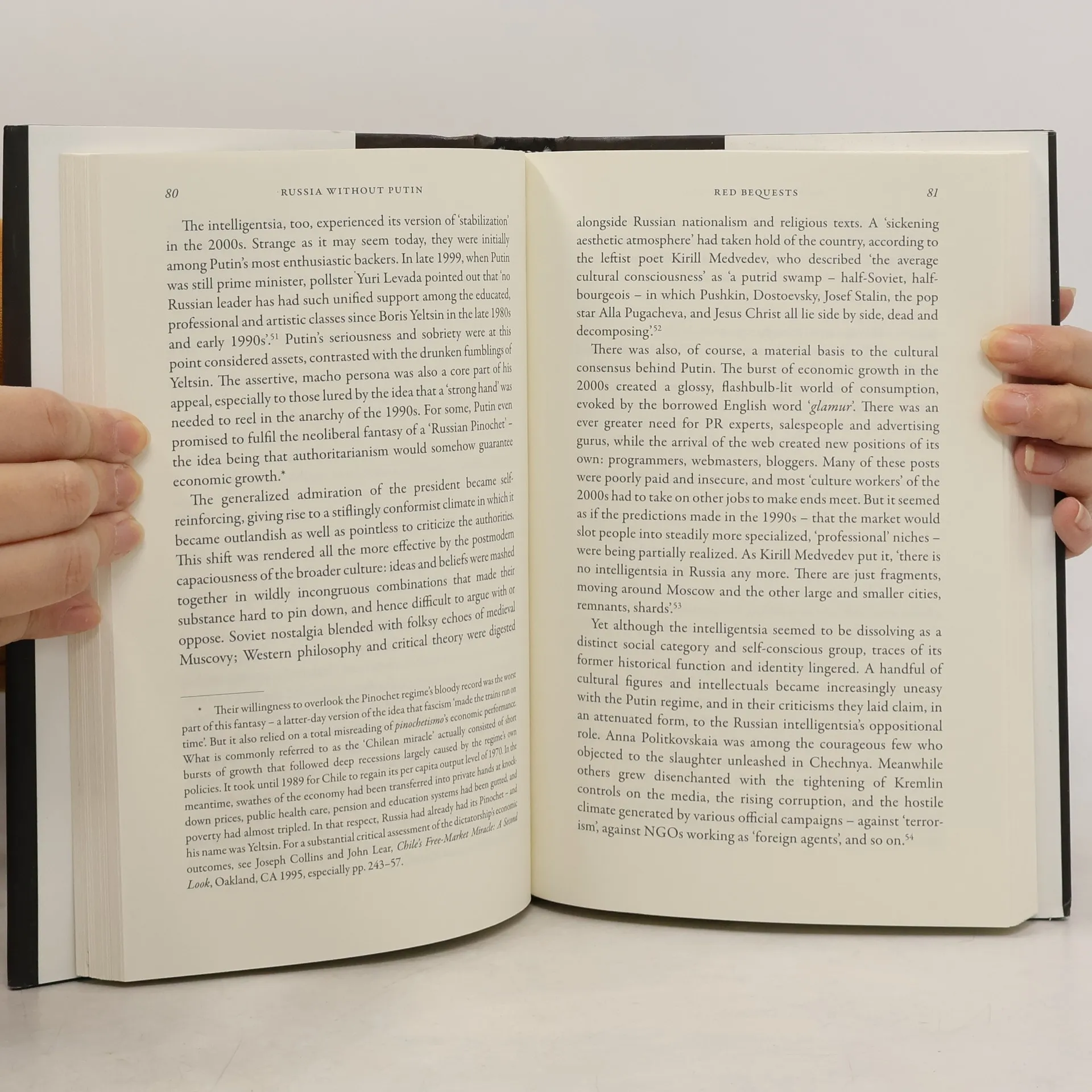
The West's fixation on Vladimir Putin obscures a deeper understanding of Russia today. He embodies the nation for many outside observers and dominates media narratives, leading to a skewed perception of the country. Tony Wood argues that this intense focus on Putin detracts from comprehending the broader societal changes in Russia since 1991. By examining the transformations that have occurred, Wood challenges prevalent assumptions about contemporary Russia. Rather than viewing Putin's governance as a return to Soviet-style authoritarianism, he posits it as a continuation of the Yeltsin era. Additionally, while many attribute current issues to Soviet legacies, Wood contends that the essence of Putinism—a predatory elite ruling over a deeply unequal society—stems from the post-Communist system established in the 1990s. The analysis leads to crucial questions about Russia's trajectory following its post-Soviet evolution. The book concludes with a compelling exploration of Russia's foreign policy, revealing the underlying power dynamics in its escalating tensions with the West and contemplating the potential paths the country may take in the 21st century.
Nákup knihy
Russia Without Putin, Tony Wood
- Jazyk

- Rok vydání
- 2018
- Vazba
- (pevná)
Doručení
Platební metody
Tady nám chybí tvá recenze.
- Titul
- Russia Without Putin
- Podtitul
- Money, Power and the Myths of the New Cold War
- Jazyk
- anglicky
- Autoři
- Tony Wood
- Vydavatel
- Verso Books
- Rok vydání
- 2018
- Vazba
- pevná
- Počet stran
- 224
- ISBN10
- 1788731247
- ISBN13
- 9781788731249
- Série
- Kategorie
- Štítky
- Historické téma, Byznys, Filosofická tématika, Politika, Války, Rusko, Historie Evropy, Žurnalistika, Politické teorie, Mezinárodní vztahy, Historie 20. století, Studená válka, Socialismus, Kapitalismus, Východní Evropa, Geopolitika, Vláda, Historie Ruska, Politická filozofie, Světová politika, Stalingrad, Oligarchie
- Hodnocení
- 3,85 z 5
- Anotace
- The West's fixation on Vladimir Putin obscures a deeper understanding of Russia today. He embodies the nation for many outside observers and dominates media narratives, leading to a skewed perception of the country. Tony Wood argues that this intense focus on Putin detracts from comprehending the broader societal changes in Russia since 1991. By examining the transformations that have occurred, Wood challenges prevalent assumptions about contemporary Russia. Rather than viewing Putin's governance as a return to Soviet-style authoritarianism, he posits it as a continuation of the Yeltsin era. Additionally, while many attribute current issues to Soviet legacies, Wood contends that the essence of Putinism—a predatory elite ruling over a deeply unequal society—stems from the post-Communist system established in the 1990s. The analysis leads to crucial questions about Russia's trajectory following its post-Soviet evolution. The book concludes with a compelling exploration of Russia's foreign policy, revealing the underlying power dynamics in its escalating tensions with the West and contemplating the potential paths the country may take in the 21st century.