

Parametry
- 416 stránek
- 15 hodin čtení
Více o knize
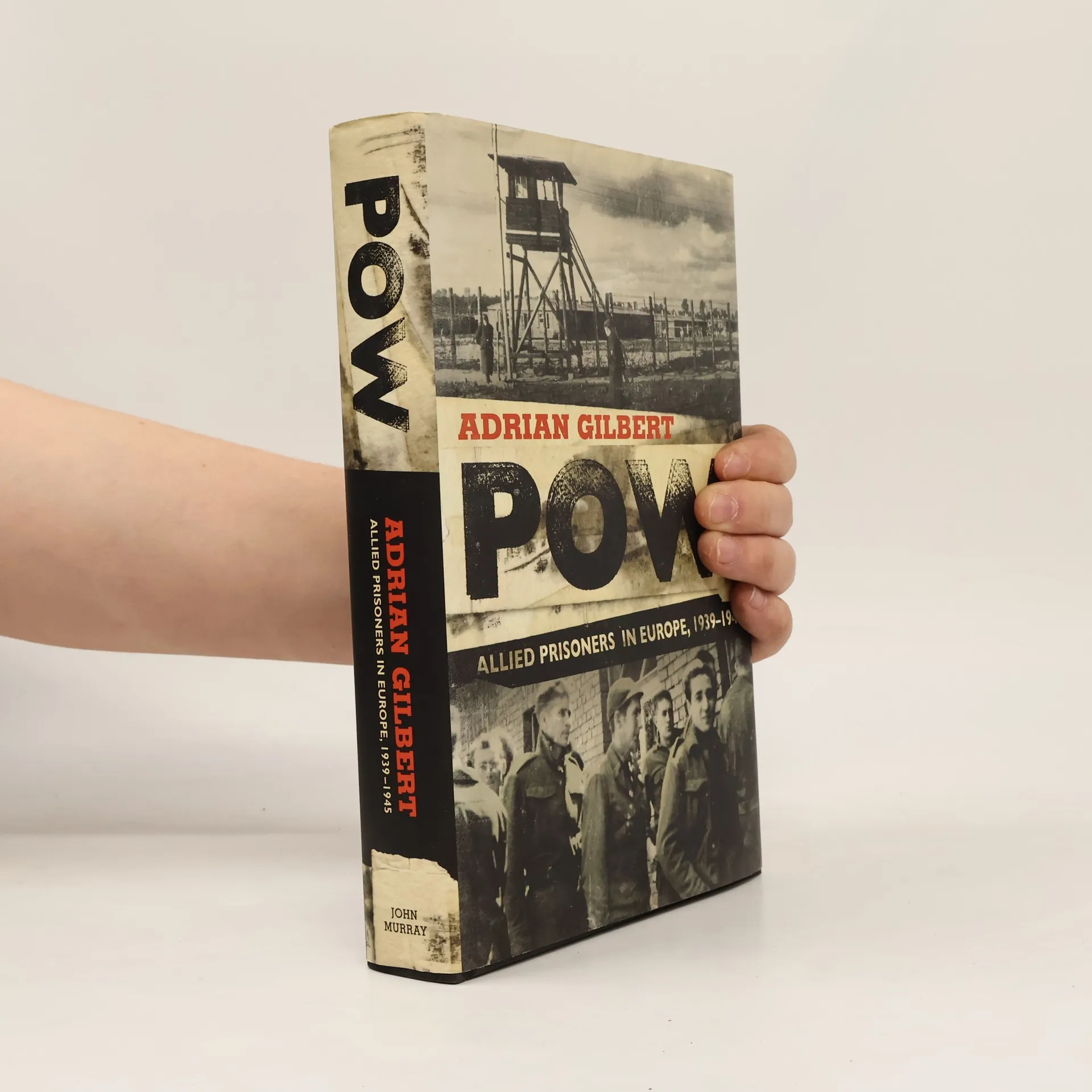
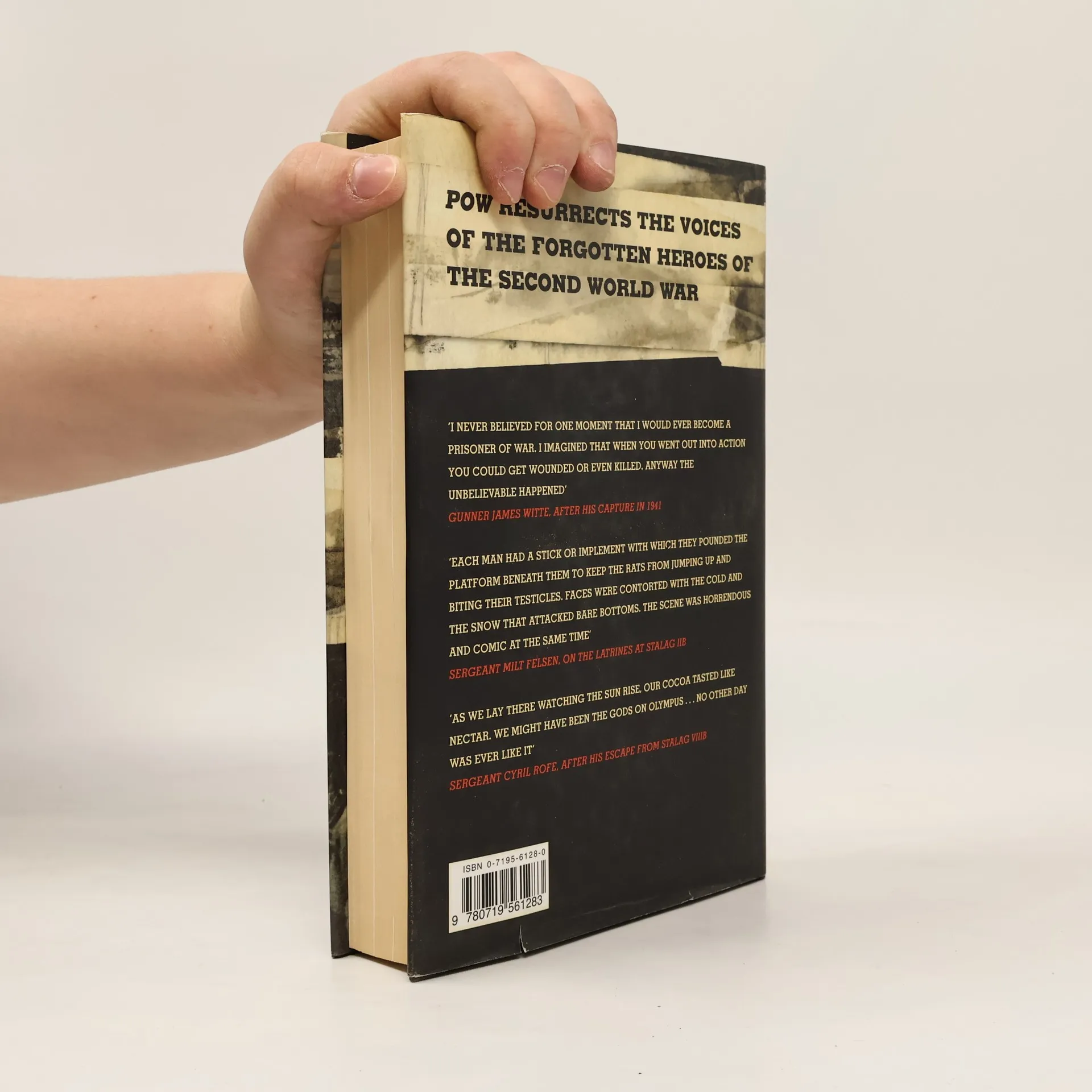
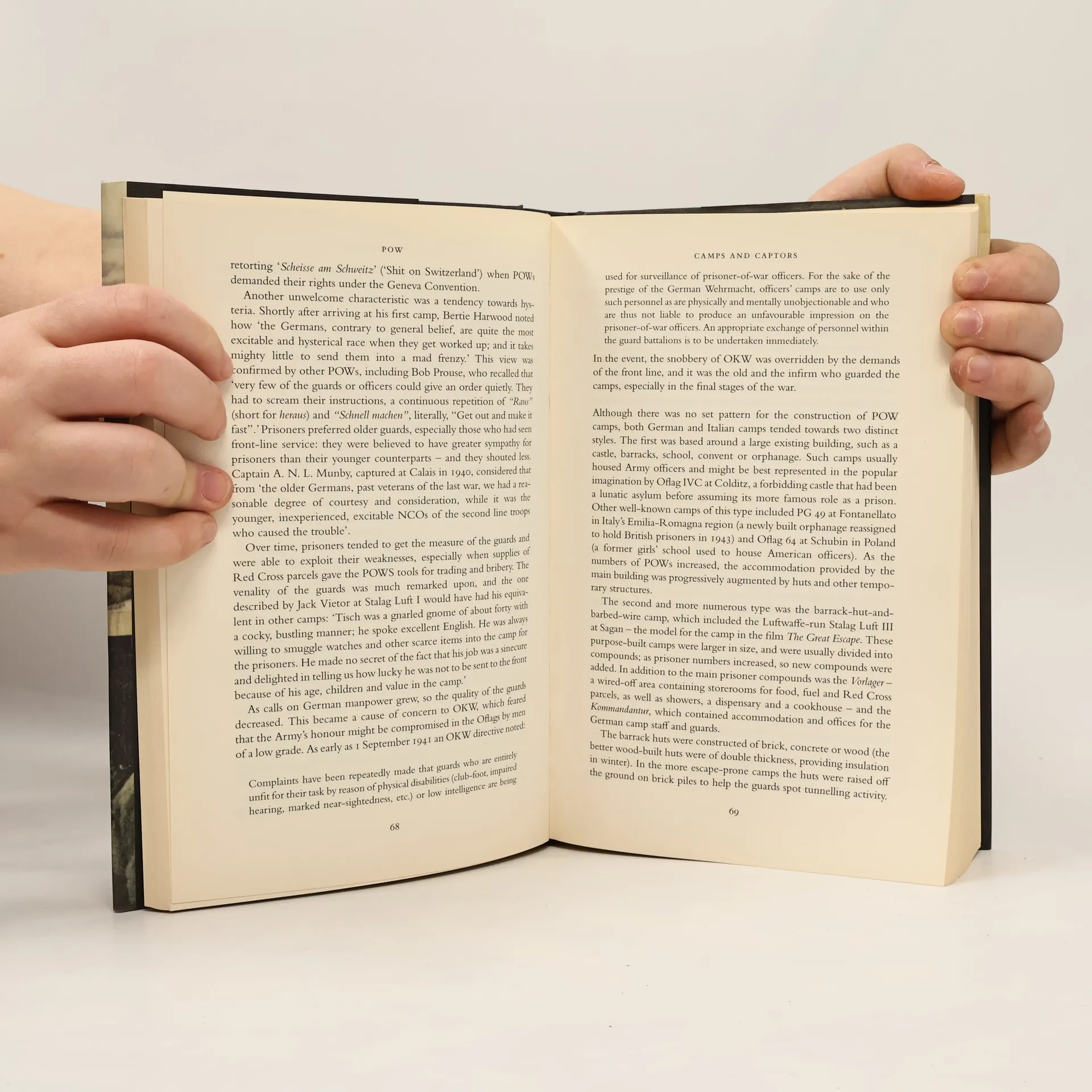
Just under 300,000 Allied servicemen from Britain, the Commonwealth and the United States were captured in Europe and North Africa between 1939 and 1945. Using a wealth of new sources, POW describes their experiences. Prisoners' day-to-day lives are vividly rendered: the workings of the prison-camp system; the ways in which prisoners maintained contact with the outside world through letters, parcels and the benign agency of the Red Cross; artistic and intellectual endeavours; as well as unacknowledged aspects of camp life such as the development of sexual relations - both heterosexual and homosexual. Everyday life is offset by high drama, as POW tells of the secret organisations who smuggled escape aids to the prisoners. In return they furnished their home nations with intelligence from occupied Europe. Although few men were actively engaged in escape attempts, many provided tacit support or were engaged in sabotage and other resistance activities.
Nákup knihy
POW, Adrian Gilbert
- Jazyk

- Rok vydání
- 2006
- Vazba
- (pevná)
Doručení
Platební metody
Tady nám chybí tvá recenze.
- Titul
- POW
- Podtitul
- Allied Prisoners in Europe, 1939-1945
- Jazyk
- anglicky
- Autoři
- Adrian Gilbert
- Vydavatel
- John Murray Press
- Rok vydání
- 2006
- Vazba
- pevná
- Počet stran
- 416
- ISBN10
- 0719561280
- ISBN13
- 9780719561283
- Série
- Kategorie
- Štítky
- Historické téma, Druhá světová válka, Evropa, Historie Evropy, Západní Evropa, Váleční zajatci
- Hodnocení
- 5 z 5
- Anotace
- Just under 300,000 Allied servicemen from Britain, the Commonwealth and the United States were captured in Europe and North Africa between 1939 and 1945. Using a wealth of new sources, POW describes their experiences. Prisoners' day-to-day lives are vividly rendered: the workings of the prison-camp system; the ways in which prisoners maintained contact with the outside world through letters, parcels and the benign agency of the Red Cross; artistic and intellectual endeavours; as well as unacknowledged aspects of camp life such as the development of sexual relations - both heterosexual and homosexual. Everyday life is offset by high drama, as POW tells of the secret organisations who smuggled escape aids to the prisoners. In return they furnished their home nations with intelligence from occupied Europe. Although few men were actively engaged in escape attempts, many provided tacit support or were engaged in sabotage and other resistance activities.