


Více o knize
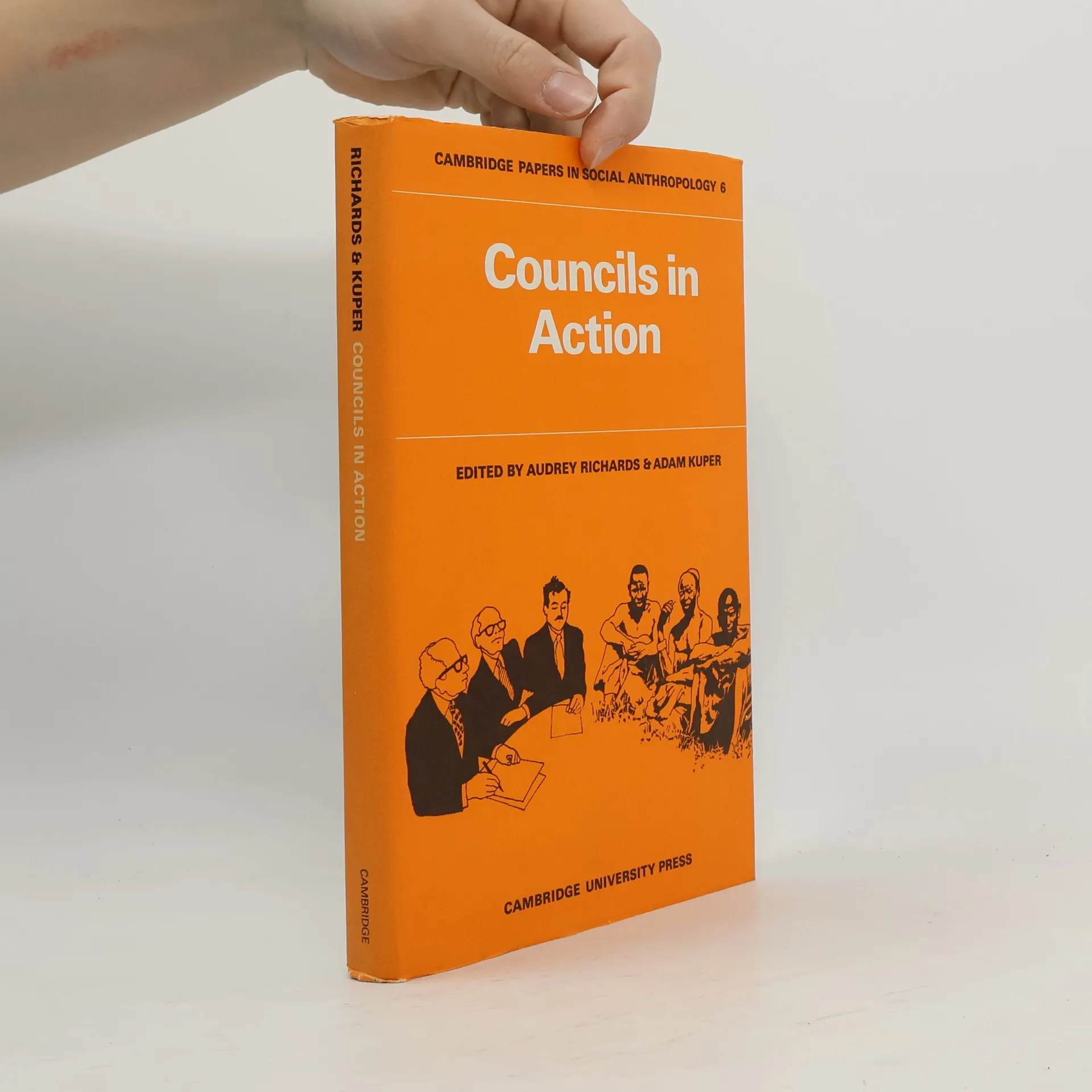
A collection of seven papers by social anthropologists on the processes of decision-making in councils. Types of council described are one community-in-council, two arena councils, an elite council, two modern local government councils and a non-council, a temporary negotiating group which nevertheless displays certain features of the council proper. Most of the examples come from Africa (including Madagascar), but there is also an account of politics and decision-making in an English town council. The editors discuss the papers in a comparative framework, considering also other accounts of conciliar structure and decision-making. They review the ways in which decisions are reached and implemented in societies with very different structures and activities and discuss the impact of written records, colonial overrule and political independence. They attempt to outline some general principles of conciliar structure and process.
Nákup knihy
Councils in Action, Audrey I. Richards, Adam Kuper
- Jazyk

- Rok vydání
- 1971
- Vazba
- (pevná)
Doručení
Platební metody
Nikdo zatím neohodnotil.
- Titul
- Councils in Action
- Jazyk
- anglicky
- Autoři
- Audrey I. Richards, Adam Kuper
- Vydavatel
- Cambridge University Press
- Rok vydání
- 1971
- Vazba
- pevná
- Počet stran
- 217
- ISBN10
- 0521082404
- ISBN13
- 9780521082402
- Série
- Kategorie
- Štítky
- Politické teorie
- Anotace
- A collection of seven papers by social anthropologists on the processes of decision-making in councils. Types of council described are one community-in-council, two arena councils, an elite council, two modern local government councils and a non-council, a temporary negotiating group which nevertheless displays certain features of the council proper. Most of the examples come from Africa (including Madagascar), but there is also an account of politics and decision-making in an English town council. The editors discuss the papers in a comparative framework, considering also other accounts of conciliar structure and decision-making. They review the ways in which decisions are reached and implemented in societies with very different structures and activities and discuss the impact of written records, colonial overrule and political independence. They attempt to outline some general principles of conciliar structure and process.