


Schriftenreihe Geschichte: Konzentrationslager Mittelbau-Dora
Zum antifaschistischen Widerstandskampf im KZ Dora, 1943 bis 1945
Autoři
Více o knize
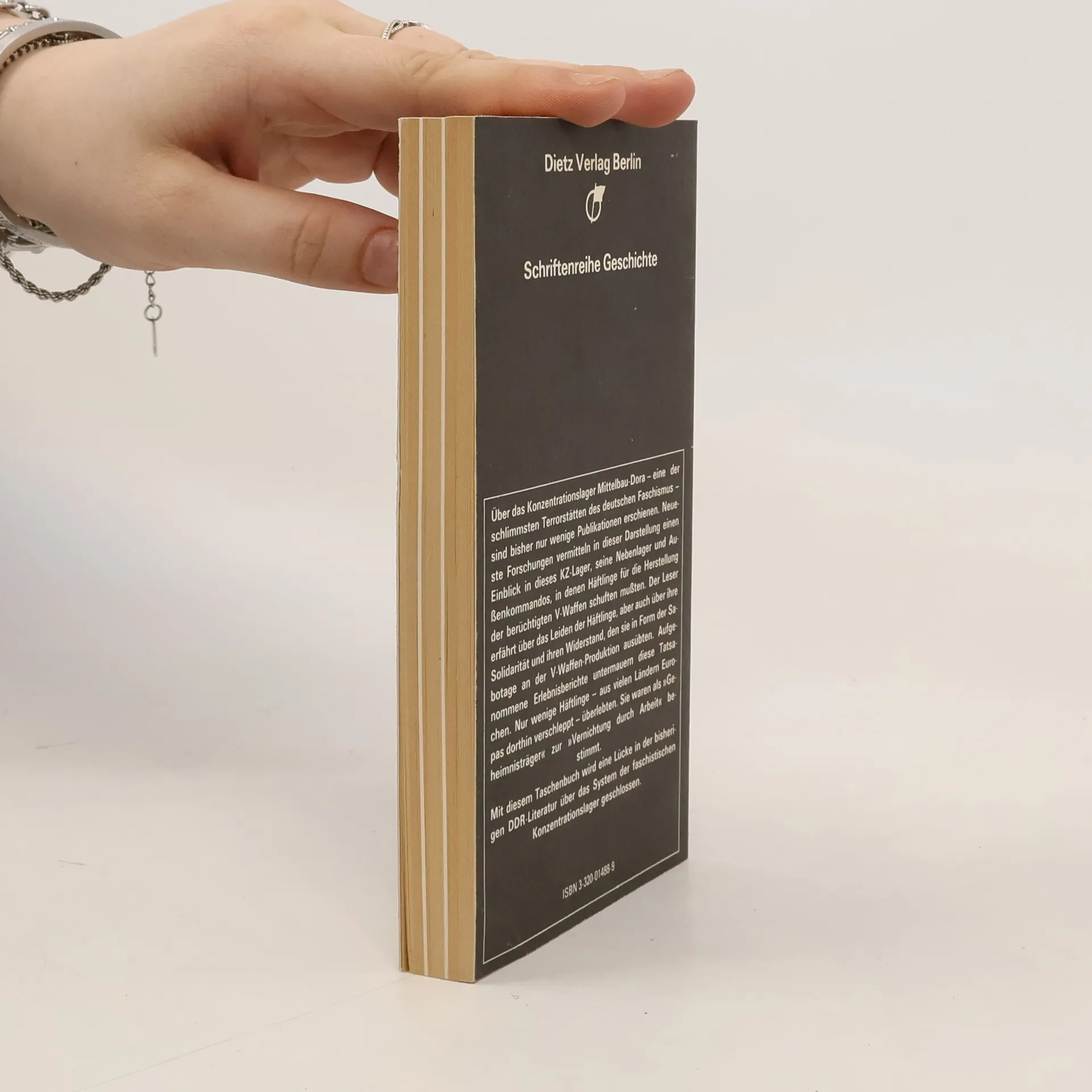
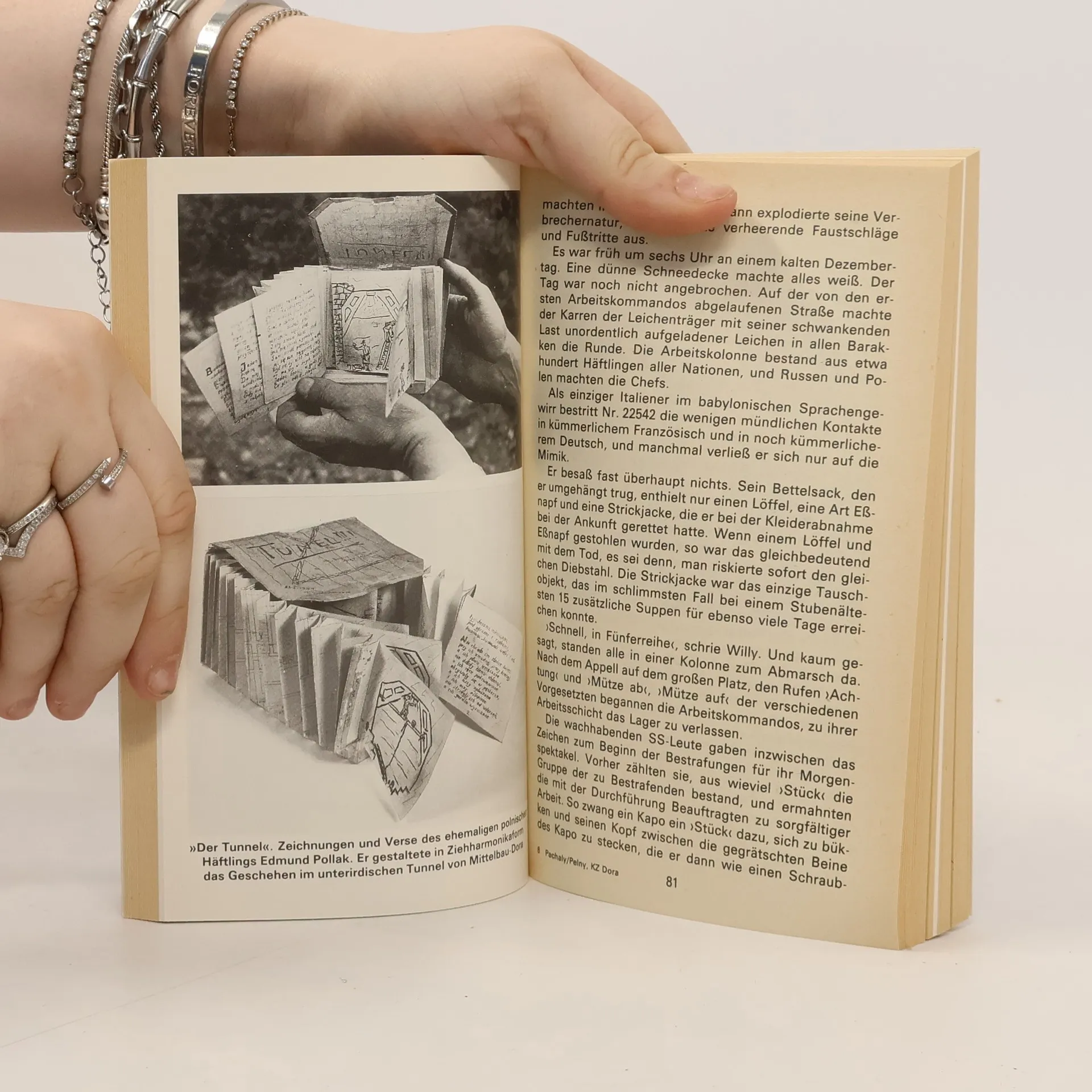
A history of the Dora labor camp, organized in August 1943, whose inmates manufactured rockets in underground tunnels under inhuman conditions. Emphasizes the organization and resistance of political prisoners. Of the other prisoners, many were Jews. Pp. 96-104 contain reminiscences by Wolfgang Gross, who was an 18-year-old Jew from Breslau when he came to Dora from the Monowitz labor camp adjacent to Auschwitz (as he related to one of the authors in 1982). Pp. 113-116 describe transports consisting mainly of Hungarian and Polish Jewish women and children who labored under the same conditions as the men. Notes that the treatment of Jewish prisoners was so brutal that others felt themselves privileged in comparison.
Nákup knihy
Schriftenreihe Geschichte: Konzentrationslager Mittelbau-Dora, Erhard Pachaly, Kurt Pelny
- Jazyk

- Rok vydání
- 1990
- Vazba
- (měkká)
Doručení
Platební metody
Nikdo zatím neohodnotil.
- Titul
- Schriftenreihe Geschichte: Konzentrationslager Mittelbau-Dora
- Podtitul
- Zum antifaschistischen Widerstandskampf im KZ Dora, 1943 bis 1945
- Jazyk
- německy
- Autoři
- Erhard Pachaly, Kurt Pelny
- Vydavatel
- Dietz
- Rok vydání
- 1990
- Vazba
- měkká
- Počet stran
- 268
- ISBN10
- 3320014889
- ISBN13
- 9783320014889
- Série
- Štítky
- Ostatní historie, Války, Holokaust
- Anotace
- A history of the Dora labor camp, organized in August 1943, whose inmates manufactured rockets in underground tunnels under inhuman conditions. Emphasizes the organization and resistance of political prisoners. Of the other prisoners, many were Jews. Pp. 96-104 contain reminiscences by Wolfgang Gross, who was an 18-year-old Jew from Breslau when he came to Dora from the Monowitz labor camp adjacent to Auschwitz (as he related to one of the authors in 1982). Pp. 113-116 describe transports consisting mainly of Hungarian and Polish Jewish women and children who labored under the same conditions as the men. Notes that the treatment of Jewish prisoners was so brutal that others felt themselves privileged in comparison.