



Více o knize
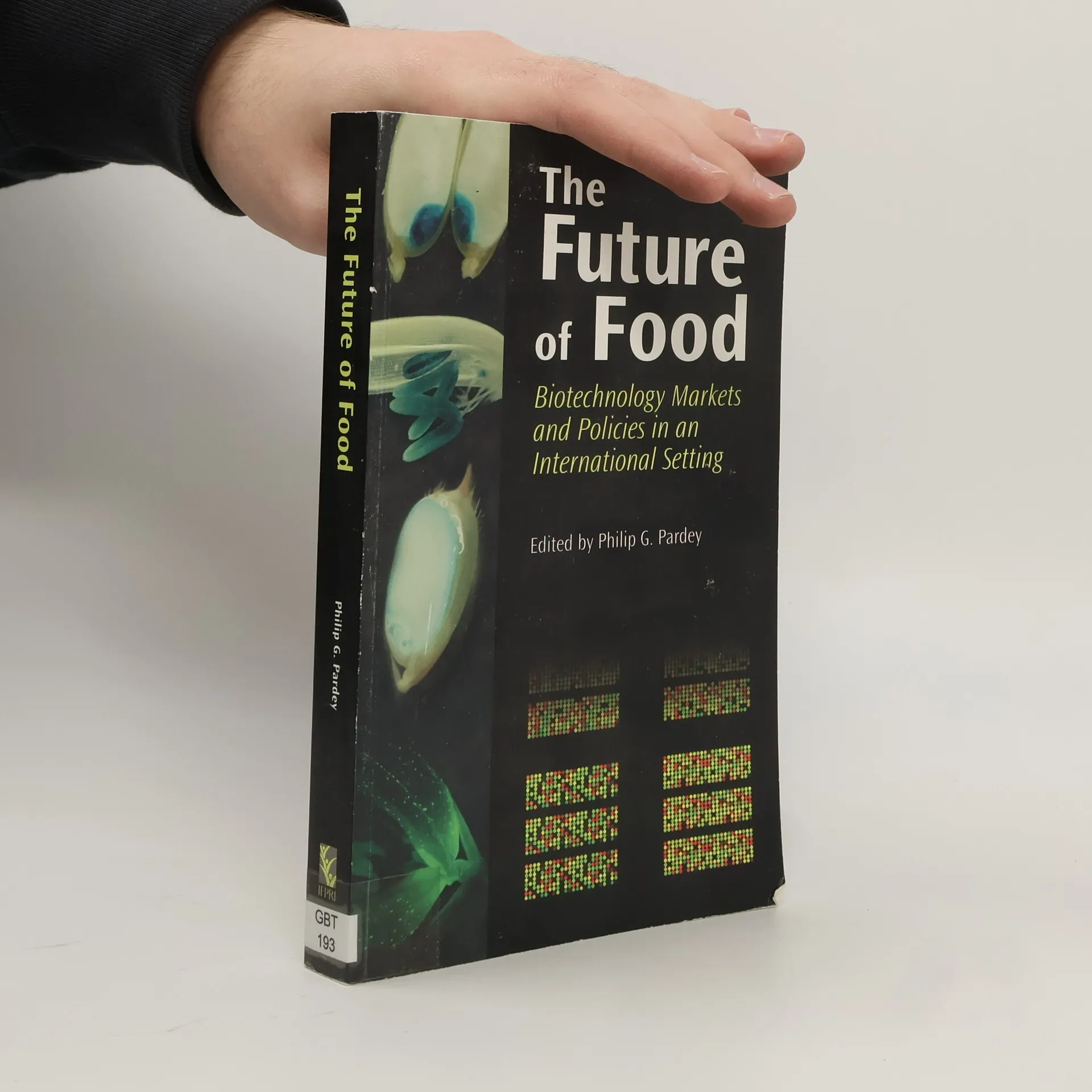
What is the future of food? Feeding the world in the coming decades will necessitate significant increases in crop yields, but the path to achieving this is contentious, particularly regarding biotechnology. The role of biotechnology in ensuring affordable and sustainably grown food is a critical question, with implications for agriculture, the environment, economic development, and the well-being of the poor. This book delves into the controversy surrounding biotechnology, presenting analyses and insights from economists and technologists. It explores perceptions of biotechnology in rich versus poor countries, the impact of wealthy nations' restrictions on international trade of genetically modified crops on poorer nations, the potential of alternative technologies, and the influence of intellectual property rights on global bioscience. Key questions addressed include the level of investment needed in biosciences, the entities responsible for research funding, and the likely beneficiaries and detractors. Policymakers and stakeholders on both sides of the debate will find valuable economic perspectives on the trade-offs involved in this complex issue.
Nákup knihy
International Food Policy Research Institute: The Future of Food, Philip G. Pardey
- Jazyk

- Rok vydání
- 2001
- Vazba
- (měkká)
Nikdo zatím neohodnotil.
- Titul
- International Food Policy Research Institute: The Future of Food
- Podtitul
- Biotechnology Markets and Policies in an International Setting
- Jazyk
- anglicky
- Autoři
- Philip G. Pardey
- Rok vydání
- 2001
- Vazba
- měkká
- Počet stran
- 320
- ISBN10
- 0896297098
- ISBN13
- 9780896297098
- Série
- Štítky
- Byznys, Věda, Biotechnologie, Environmentální ekonomie
- Anotace
- What is the future of food? Feeding the world in the coming decades will necessitate significant increases in crop yields, but the path to achieving this is contentious, particularly regarding biotechnology. The role of biotechnology in ensuring affordable and sustainably grown food is a critical question, with implications for agriculture, the environment, economic development, and the well-being of the poor. This book delves into the controversy surrounding biotechnology, presenting analyses and insights from economists and technologists. It explores perceptions of biotechnology in rich versus poor countries, the impact of wealthy nations' restrictions on international trade of genetically modified crops on poorer nations, the potential of alternative technologies, and the influence of intellectual property rights on global bioscience. Key questions addressed include the level of investment needed in biosciences, the entities responsible for research funding, and the likely beneficiaries and detractors. Policymakers and stakeholders on both sides of the debate will find valuable economic perspectives on the trade-offs involved in this complex issue.