



Parametry
- 320 stránek
- 12 hodin čtení
Více o knize
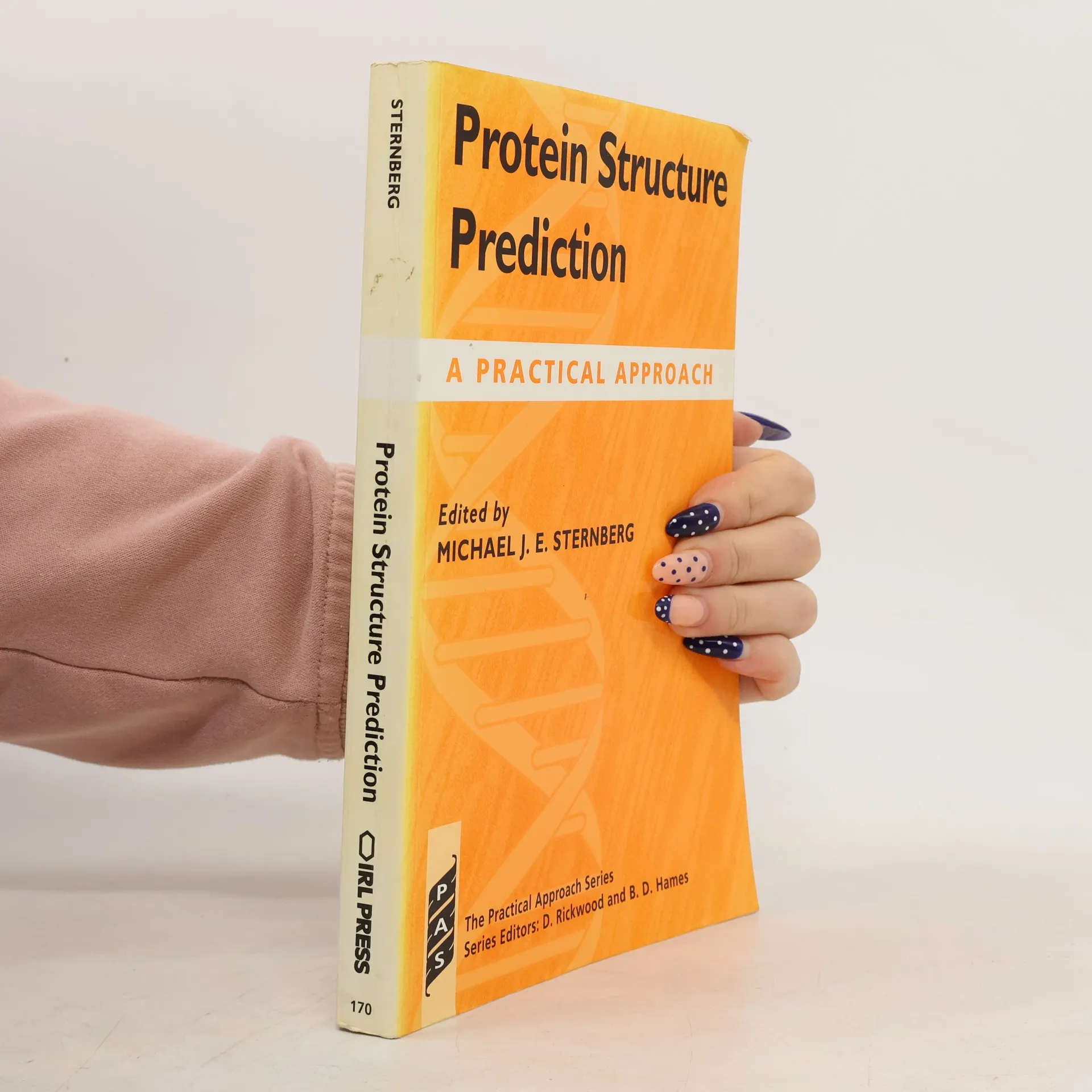
The prediction of the three-dimensional structure of a protein from its amino acid sequence is a problem faced by an increasing number of biological scientists. This book provides a practical guide to making these predictions by reviewing strategies of different computer modeling algorithms and highlighting the degree of confidence attributed to them. Also in the volume are descriptions of the the principles of protein folding; sequence homology and motif searches; prediction of secondary structure; homology modeling; modeling of antibody combining sites; tertiary fold recognition; modeling of transmembrane proteins; ab initio prediction; protein-ligand docking simulations; and the use of molecular mechanics and dynamics. both non-specialists who require guidance to identify and evaluate appropriate strategies and experts who require a contemporary view of the field, will find this volume a worthy addition to their research libraries.
Nákup knihy
The Practical Approach Series - 170: Protein Structure Prediction, Michael J. E. Sternberg, D. Rickwood, B. D. Hames
- Jazyk

- Rok vydání
- 1996
- Vazba
- (měkká)
Nikdo zatím neohodnotil.
- Titul
- The Practical Approach Series - 170: Protein Structure Prediction
- Podtitul
- A Practical Approach
- Jazyk
- anglicky
- Vydavatel
- IRL Press
- Rok vydání
- 1996
- Vazba
- měkká
- Počet stran
- 320
- ISBN10
- 0199634963
- ISBN13
- 9780199634965
- Série
- Kategorie
- Štítky
- Přírodní vědy, Věda, Biochemie, Organická chemie, Biotechnologie
- Anotace
- The prediction of the three-dimensional structure of a protein from its amino acid sequence is a problem faced by an increasing number of biological scientists. This book provides a practical guide to making these predictions by reviewing strategies of different computer modeling algorithms and highlighting the degree of confidence attributed to them. Also in the volume are descriptions of the the principles of protein folding; sequence homology and motif searches; prediction of secondary structure; homology modeling; modeling of antibody combining sites; tertiary fold recognition; modeling of transmembrane proteins; ab initio prediction; protein-ligand docking simulations; and the use of molecular mechanics and dynamics. both non-specialists who require guidance to identify and evaluate appropriate strategies and experts who require a contemporary view of the field, will find this volume a worthy addition to their research libraries.