


Parametry
- 230 stránek
- 9 hodin čtení
Více o knize
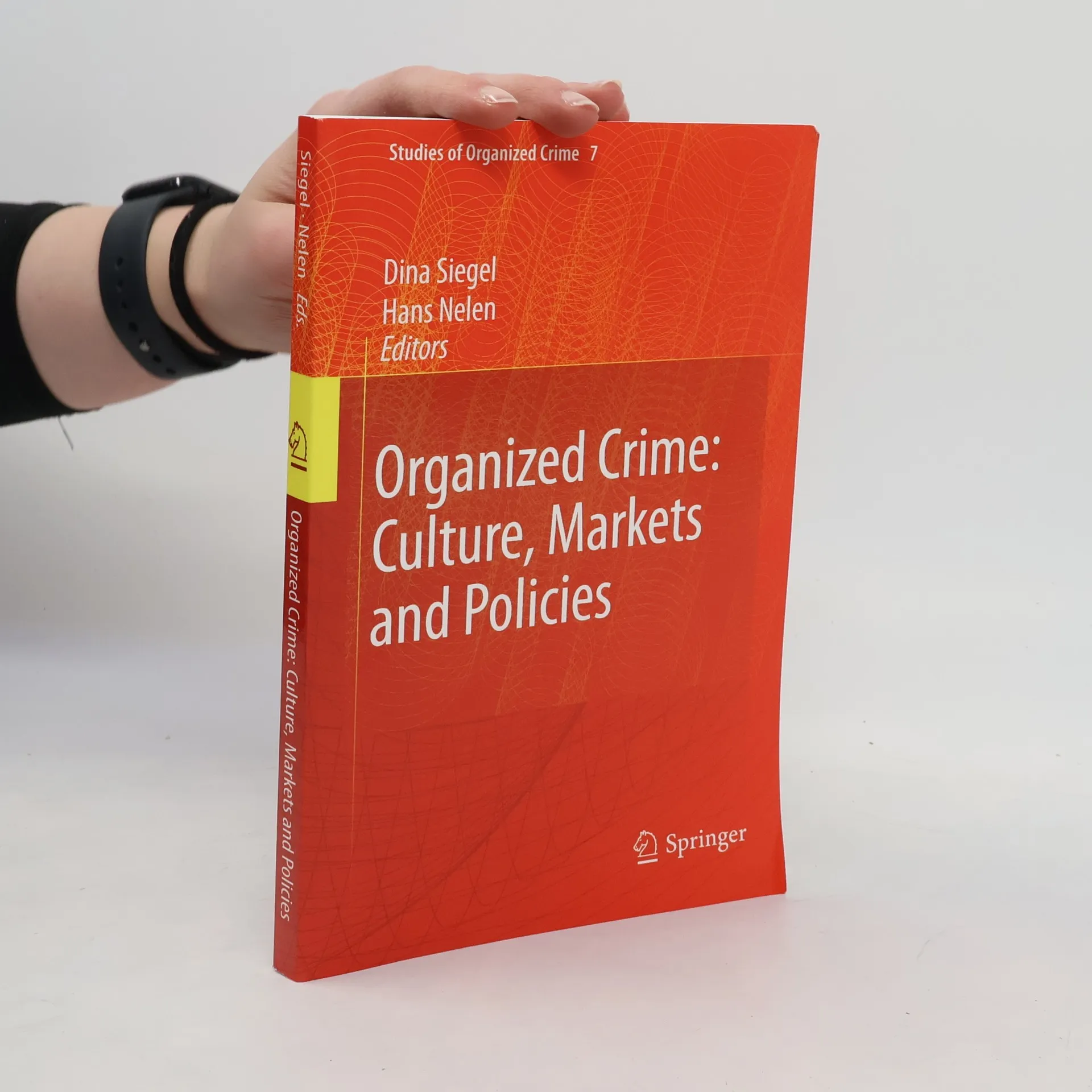
Dina Siegel and Hans Nelen explore the concept of ‘global organized crime,’ a term prevalent in criminology since the mid-1990s. This term, broader than its related concepts like transnational organized crime, encompasses criminal activities across the globe, suggesting a pervasive presence in all geographical areas. It also connects to globalization, with both terms reflecting a significant social construct in academic discourse. A key focus of the authors is the symbolic and practical implications of these concepts, raising critical questions for criminologists about how to study globalization and global organized crime effectively. They examine the tools and theoretical frameworks available for conducting research in this complex field. Rather than providing straightforward answers, the book aims to present an overview of contemporary criminological research that integrates international, national, and local dimensions of organized crime issues. Notably, the authors advocate for a departure from vague and abstract terminology, suggesting that criminology should adopt clearer language, similar to trends in other social sciences like anthropology. This approach seeks to enhance understanding and clarity in the study of organized crime.
Nákup knihy
Organized Crime: Culture, Markets and Policies, Dina Siegel, Hans Nelen
- Jazyk

- Rok vydání
- 2008
- Vazba
- (měkká)
Doručení
Platební metody
Tady nám chybí tvá recenze.
- Titul
- Organized Crime: Culture, Markets and Policies
- Jazyk
- anglicky
- Autoři
- Dina Siegel, Hans Nelen
- Vydavatel
- Springer
- Rok vydání
- 2008
- Vazba
- měkká
- Počet stran
- 230
- ISBN10
- 0387097104
- ISBN13
- 9780387097107
- Série
- Kategorie
- Štítky
- Byznys, Právní tématika, Společnost, Politické teorie, Násilí, Historie Německa, Drogy, Kriminalita, Mafie, Logika, Trestní právo, Organizovaný zločin, RAF - britské královské vojenské letectvo, Kriminologie
- Hodnocení
- 2 z 5
- Anotace
- Dina Siegel and Hans Nelen explore the concept of ‘global organized crime,’ a term prevalent in criminology since the mid-1990s. This term, broader than its related concepts like transnational organized crime, encompasses criminal activities across the globe, suggesting a pervasive presence in all geographical areas. It also connects to globalization, with both terms reflecting a significant social construct in academic discourse. A key focus of the authors is the symbolic and practical implications of these concepts, raising critical questions for criminologists about how to study globalization and global organized crime effectively. They examine the tools and theoretical frameworks available for conducting research in this complex field. Rather than providing straightforward answers, the book aims to present an overview of contemporary criminological research that integrates international, national, and local dimensions of organized crime issues. Notably, the authors advocate for a departure from vague and abstract terminology, suggesting that criminology should adopt clearer language, similar to trends in other social sciences like anthropology. This approach seeks to enhance understanding and clarity in the study of organized crime.