



Více o knize
Long a classic text for the teaching of principles of economics, the current economic crisis makes this book an essential resource for faculty who want a solid introduction that calls on policy-based information for examples and applications. The authors have been at the forefront of advising policymakers and informing the public for years. The update ensures that faculty who want to teach using the latest policy issues and data are able to do just that. Not only will it have the absolute latest data through spring 2010, but it will also include a new chapter focusing on the financial sector. It achieves the right level of rigor and detail, presenting complicated concepts in a relatively straightforward manner and using timely economic data. Using puzzles, issues, and well-developed examples, the authors provide a good balance of theory to application, allowing students to relate the materials to their everyday life.
Nákup knihy
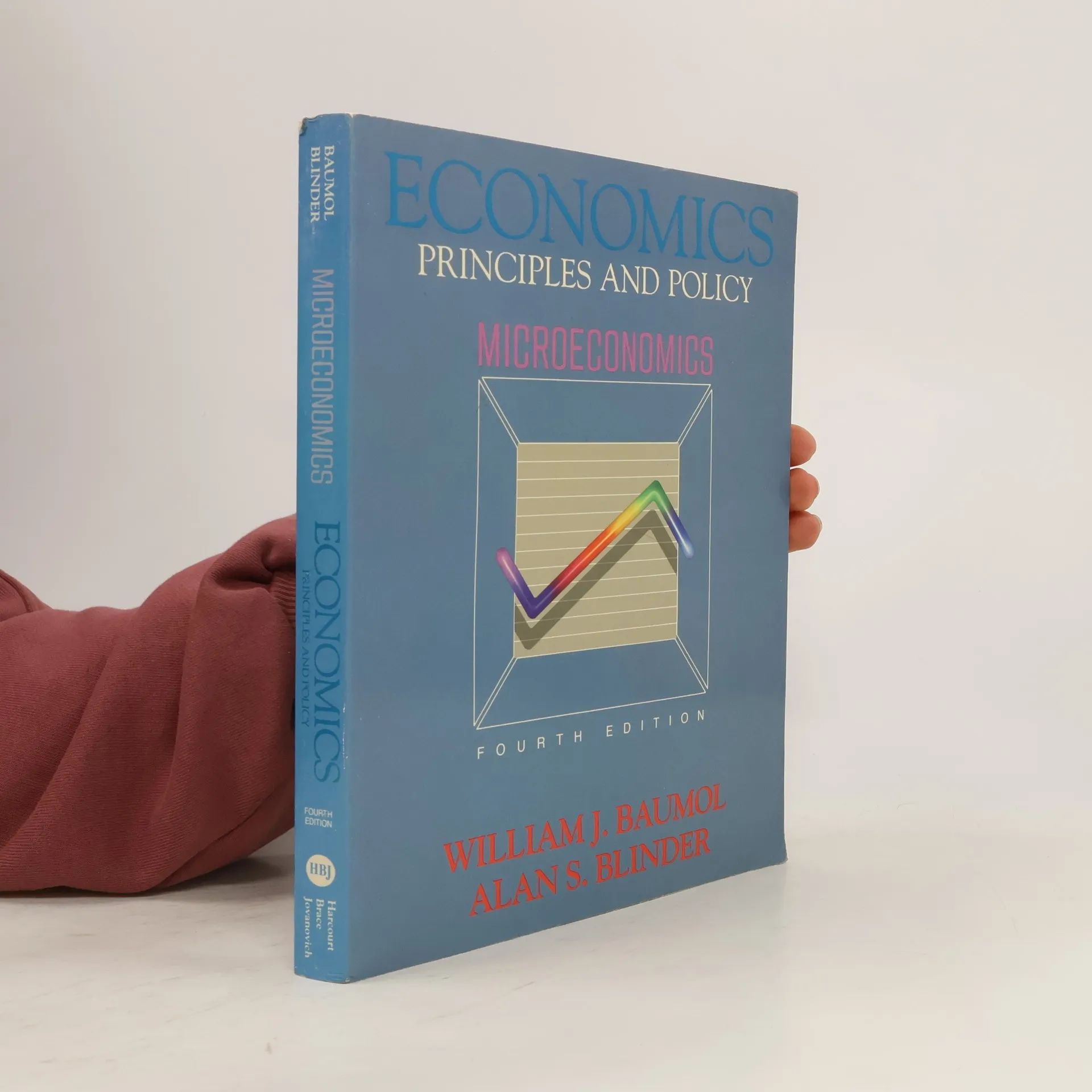
Microeconomics Economics Principles and Policy - Fourth Edition, William J. Baumol, Alan S. Blinder
- Jazyk

- Rok vydání
- 1988
- Vazba
- (měkká)
Doručení
Platební metody
Tady nám chybí tvá recenze.
- Titul
- Microeconomics Economics Principles and Policy - Fourth Edition
- Jazyk
- anglicky
- Autoři
- William J. Baumol, Alan S. Blinder
- Vydavatel
- Harvest Books
- Rok vydání
- 1988
- Vazba
- měkká
- Počet stran
- 603
- ISBN10
- 0155188542
- ISBN13
- 9780155188549
- Série
- Štítky
- Byznys
- Hodnocení
- 3 z 5
- Anotace
- Long a classic text for the teaching of principles of economics, the current economic crisis makes this book an essential resource for faculty who want a solid introduction that calls on policy-based information for examples and applications. The authors have been at the forefront of advising policymakers and informing the public for years. The update ensures that faculty who want to teach using the latest policy issues and data are able to do just that. Not only will it have the absolute latest data through spring 2010, but it will also include a new chapter focusing on the financial sector. It achieves the right level of rigor and detail, presenting complicated concepts in a relatively straightforward manner and using timely economic data. Using puzzles, issues, and well-developed examples, the authors provide a good balance of theory to application, allowing students to relate the materials to their everyday life.