

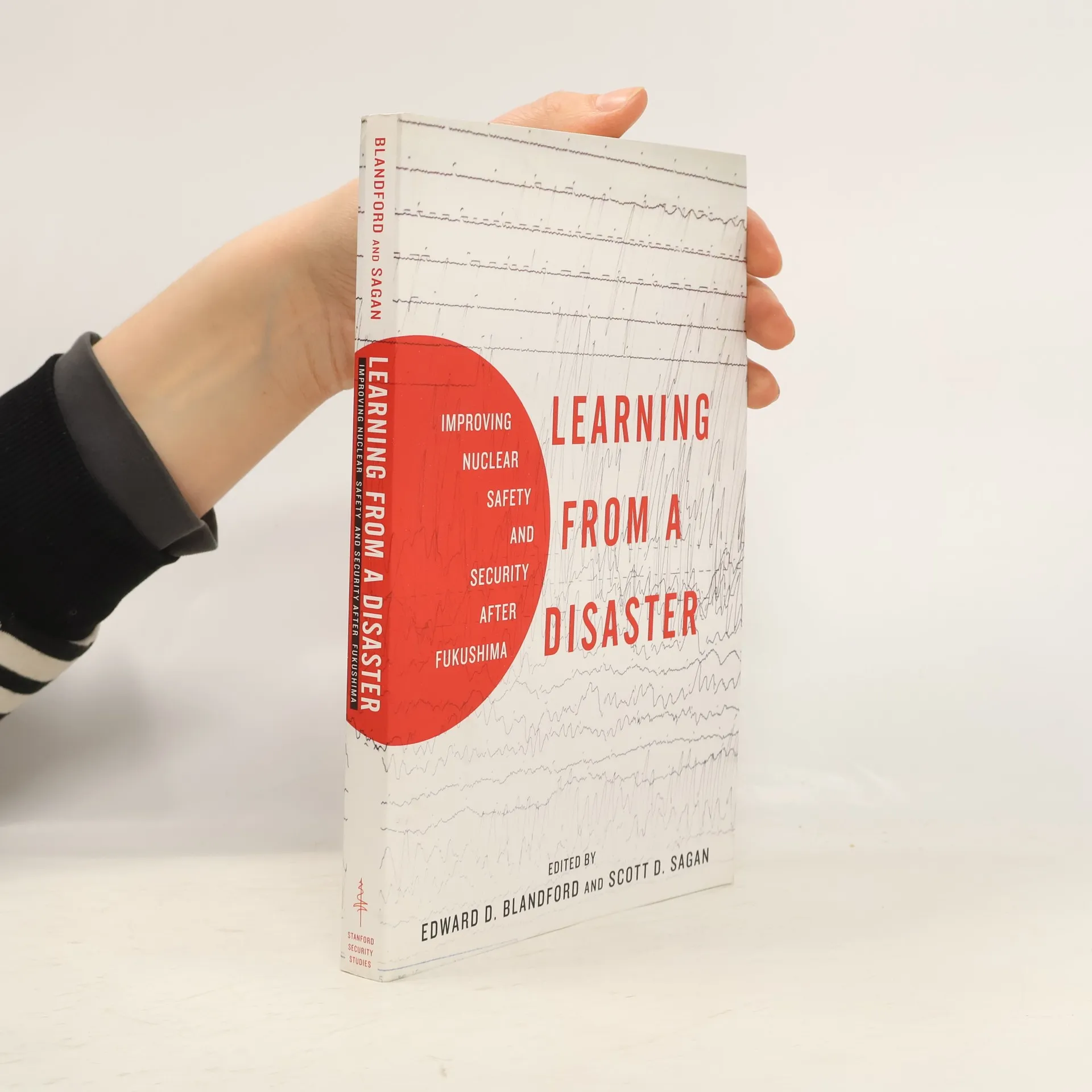

Learning From a Disaster
Improving Nuclear Safety and Security After Fukushima
Více o knize
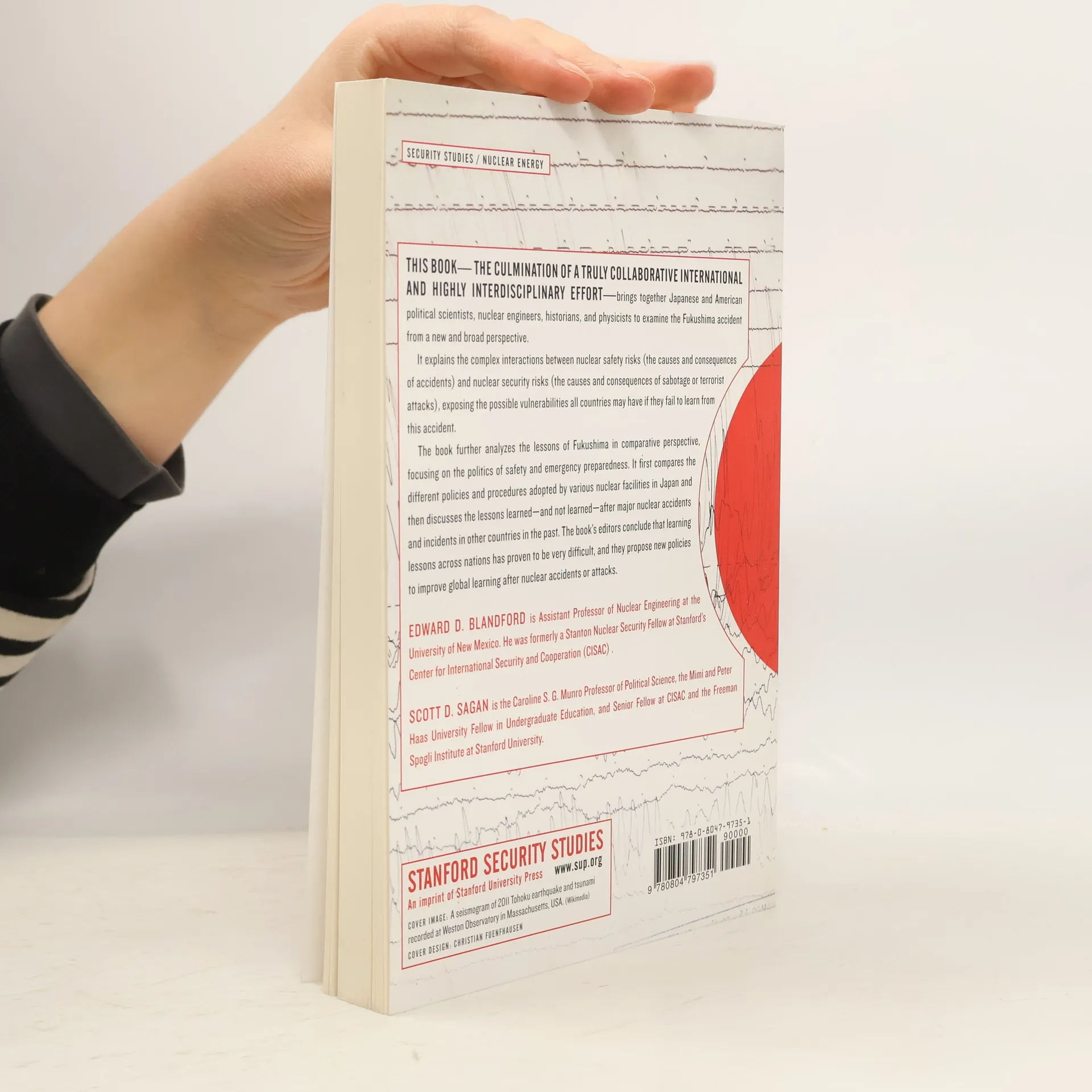
This book—the culmination of a truly collaborative international and highly interdisciplinary effort—brings together Japanese and American political scientists, nuclear engineers, historians, and physicists to examine the Fukushima accident from a new and broad perspective.It explains the complex interactions between nuclear safety risks (the causes and consequences of accidents) and nuclear security risks (the causes and consequences of sabotage or terrorist attacks), exposing the possible vulnerabilities all countries may have if they fail to learn from this accident.The book further analyzes the lessons of Fukushima in comparative perspective, focusing on the politics of safety and emergency preparedness. It first compares the different policies and procedures adopted by various nuclear facilities in Japan and then discusses the lessons learned—and not learned—after major nuclear accidents and incidents in other countries in the past. The book's editors conclude that learning lessons across nations has proven to be very difficult, and they propose new policies to improve global learning after nuclear accidents or attacks.
Nákup knihy
Learning From a Disaster, Scott D. Sagan, Edward D. Blandford
- Jazyk

- Rok vydání
- 2016
- Vazba
- (měkká)
Doručení
Platební metody
Nikdo zatím neohodnotil.
- Titul
- Learning From a Disaster
- Podtitul
- Improving Nuclear Safety and Security After Fukushima
- Jazyk
- anglicky
- Vydavatel
- Stanford University Press
- Rok vydání
- 2016
- Vazba
- měkká
- Počet stran
- 232
- ISBN10
- 0804797358
- ISBN13
- 9780804797351
- Série
- Kategorie
- Štítky
- Přírodní vědy, Politika, USA, Technologie, Japonsko, Asie, Vůdcovství, Politické teorie, Sebrané spisy, Atomová energie, Jaderné elektrárny
- Anotace
- This book—the culmination of a truly collaborative international and highly interdisciplinary effort—brings together Japanese and American political scientists, nuclear engineers, historians, and physicists to examine the Fukushima accident from a new and broad perspective.It explains the complex interactions between nuclear safety risks (the causes and consequences of accidents) and nuclear security risks (the causes and consequences of sabotage or terrorist attacks), exposing the possible vulnerabilities all countries may have if they fail to learn from this accident.The book further analyzes the lessons of Fukushima in comparative perspective, focusing on the politics of safety and emergency preparedness. It first compares the different policies and procedures adopted by various nuclear facilities in Japan and then discusses the lessons learned—and not learned—after major nuclear accidents and incidents in other countries in the past. The book's editors conclude that learning lessons across nations has proven to be very difficult, and they propose new policies to improve global learning after nuclear accidents or attacks.