


Hodnocení knihy
Více o knize
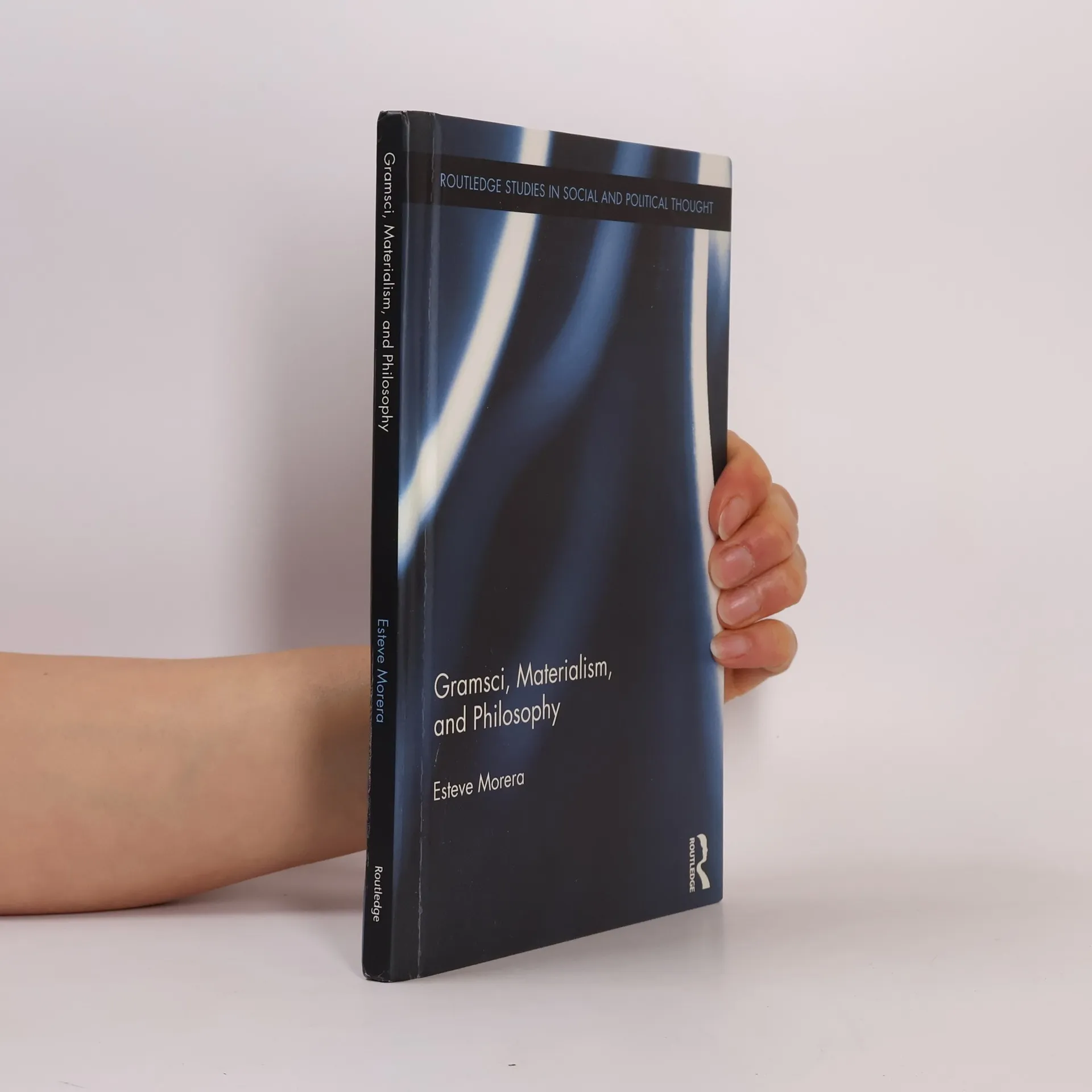
Western critical theory, including Marxism, has been shaped by historical materialism, particularly as developed by Gramsci in his prison notebooks. His philosophical insights provided a new foundation for future philosophy, emphasizing the philosophy of praxis and absolute historicism, which resonate with contemporary materialist thought. However, traditional materialism has struggled to establish a solid basis for progressive social projects and meaningful ethical lives. Esteve Morera's work connects Marxist philosophy to broader discussions of materialism in metaphysics, philosophy of science, philosophy of mind, and naturalized ethics. Each chapter explores different aspects of materialism and the challenges it presents if accepted as true. Morera critiques and ultimately rejects Gramsci's views on matter and materialism, arguing instead that philosophical materialism can coexist with freedom, thereby offering a robust foundation for ethical life. This book makes an original contribution to ongoing debates about the meaning, limitations, implications, and possibilities of philosophical materialism, while also enriching the critical literature on Gramsci.
Nákup knihy
Routledge Studies in Social and Political Thought: Gramsci, Materialism, and Philosophy, Esteve Morera
- Jazyk

- Rok vydání
- 2014
- Vazba
- (pevná)
Doručení
Platební metody
Tady nám chybí tvá recenze.
- Titul
- Routledge Studies in Social and Political Thought: Gramsci, Materialism, and Philosophy
- Jazyk
- anglicky
- Autoři
- Esteve Morera
- Vydavatel
- Routledge
- Rok vydání
- 2014
- Vazba
- pevná
- Počet stran
- 158
- ISBN10
- 1138013846
- ISBN13
- 9781138013841
- Série
- Štítky
- Filosofická tématika, Politické teorie, Etika, Marxismus, Socialismus, Politická filozofie, Občanská společnost, Kritická teorie, Materialismus
- Hodnocení
- 4,5 z 5
- Anotace
- Western critical theory, including Marxism, has been shaped by historical materialism, particularly as developed by Gramsci in his prison notebooks. His philosophical insights provided a new foundation for future philosophy, emphasizing the philosophy of praxis and absolute historicism, which resonate with contemporary materialist thought. However, traditional materialism has struggled to establish a solid basis for progressive social projects and meaningful ethical lives. Esteve Morera's work connects Marxist philosophy to broader discussions of materialism in metaphysics, philosophy of science, philosophy of mind, and naturalized ethics. Each chapter explores different aspects of materialism and the challenges it presents if accepted as true. Morera critiques and ultimately rejects Gramsci's views on matter and materialism, arguing instead that philosophical materialism can coexist with freedom, thereby offering a robust foundation for ethical life. This book makes an original contribution to ongoing debates about the meaning, limitations, implications, and possibilities of philosophical materialism, while also enriching the critical literature on Gramsci.