

Více o knize
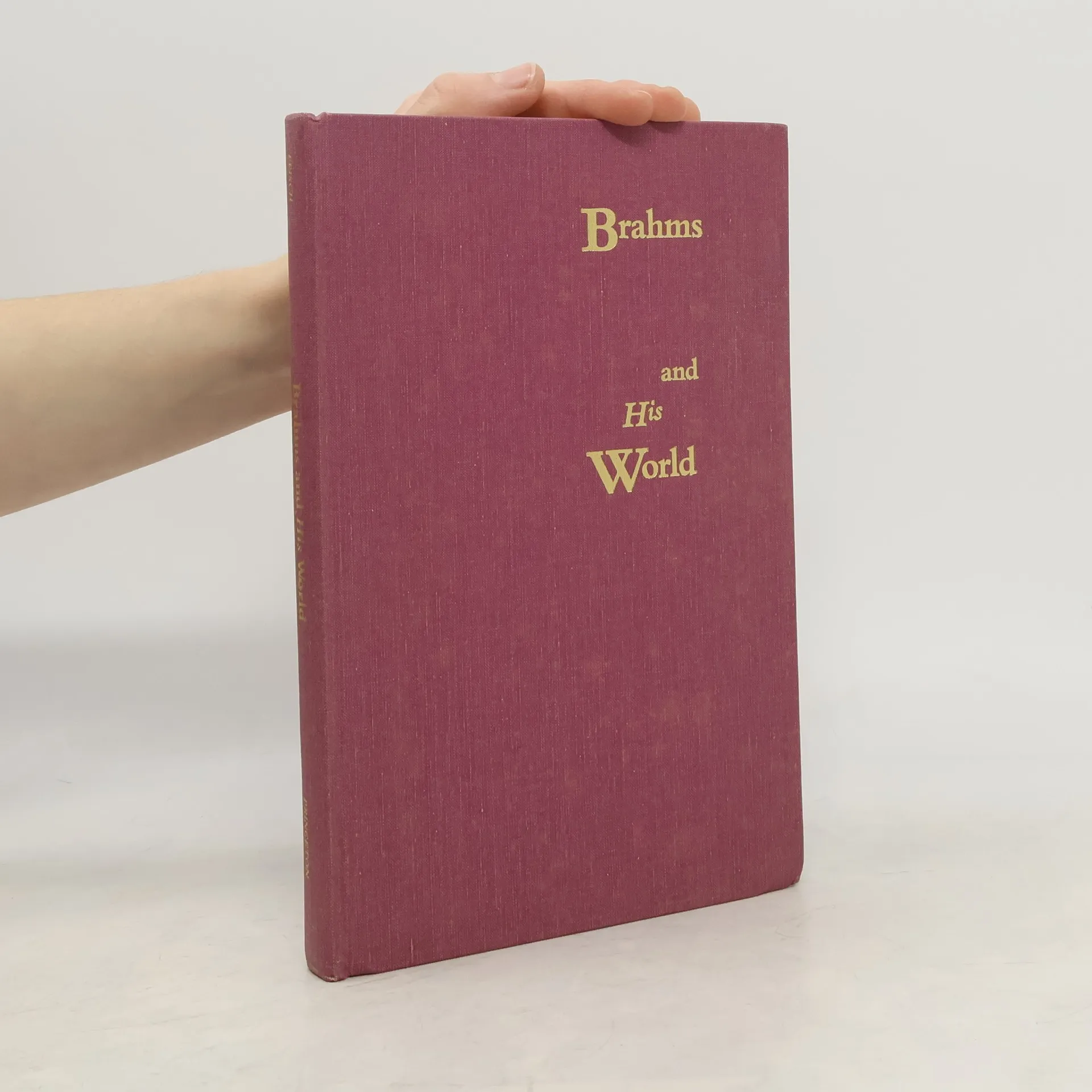
This collection seeks to situate Brahms within his personal, professional, and musical environment, contrasting with recent volumes that merely compile conference papers. It comprises three parts. Part I features essays by six scholars examining various aspects of Brahms's relationship with his world, including time, memory, and concert life in Vienna (Leon Botstein); his complex personality analyzed by psychoanalyst Peter Ostwald, M.D.; his relationship with Clara Schumann (Nancy B. Reich); his connection to the New German School (David Brodbeck); insights on his pianos (George S. Bozarth and Stephen H. Brady); and his influence on contemporaries (Walter Frisch). Part II offers commentary on Brahms's music from significant critics of the nineteenth and early twentieth centuries, much of which is previously untranslated into English. It includes excerpts from the first published survey of Brahms's works by Adolf Schubring, reviews by critic Eduard Hanslick, analyses of symphonies by Hermann Kretschmar, and Donald F. Tovey's analysis of Joseph Joachim's Hungarian Concerto. Part III presents memoir excerpts about Brahms from contemporaries like Hanslick and composers Alexander Zemlinsky, Karl Weigl, and Gustav Jenner, who was Brahms's only private composition pupil. An appendix lists all known musical works dedicated to Brahms. This collection serves as a valuable resource for anyone interested in the composer.
Nákup knihy
The Bard Music Festival: Brahms and His World, Walter Frisch
- Jazyk

- Rok vydání
- 1990
- Vazba
- (měkká)
Doručení
Platební metody
Tady nám chybí tvá recenze.
- Titul
- The Bard Music Festival: Brahms and His World
- Jazyk
- anglicky
- Autoři
- Walter Frisch
- Vydavatel
- Princeton University Press
- Rok vydání
- 1990
- Vazba
- měkká
- Počet stran
- 231
- ISBN10
- 0691027137
- ISBN13
- 9780691027135
- Série
- Hodnocení
- 4,5 z 5
- Anotace
- This collection seeks to situate Brahms within his personal, professional, and musical environment, contrasting with recent volumes that merely compile conference papers. It comprises three parts. Part I features essays by six scholars examining various aspects of Brahms's relationship with his world, including time, memory, and concert life in Vienna (Leon Botstein); his complex personality analyzed by psychoanalyst Peter Ostwald, M.D.; his relationship with Clara Schumann (Nancy B. Reich); his connection to the New German School (David Brodbeck); insights on his pianos (George S. Bozarth and Stephen H. Brady); and his influence on contemporaries (Walter Frisch). Part II offers commentary on Brahms's music from significant critics of the nineteenth and early twentieth centuries, much of which is previously untranslated into English. It includes excerpts from the first published survey of Brahms's works by Adolf Schubring, reviews by critic Eduard Hanslick, analyses of symphonies by Hermann Kretschmar, and Donald F. Tovey's analysis of Joseph Joachim's Hungarian Concerto. Part III presents memoir excerpts about Brahms from contemporaries like Hanslick and composers Alexander Zemlinsky, Karl Weigl, and Gustav Jenner, who was Brahms's only private composition pupil. An appendix lists all known musical works dedicated to Brahms. This collection serves as a valuable resource for anyone interested in the composer.