



Parametry
- 228 stránek
- 8 hodin čtení
Více o knize
The twentieth century has been a great success for modern medicine, and has resulted in the generation of a plethora of drugs to treat most common illnesses. However, in the light of increasing regulatory demands, spiralling costs and diminishing commercial returns, the question of how, when, where and whether to conduct pharmaceutical R&D has profound implications, and not just for those within the pharmaceutical industry. In response to these and other dilemmas, the authors define the processes involved in drug research, and examine the advantages and disadvantages of collaborative methods of drug research, and examine the roles that academia, CROs, small "biotechnology" companies and "research boutiques," and possibly even the "virtual research company" might play as contractors and collaborators.
Nákup knihy
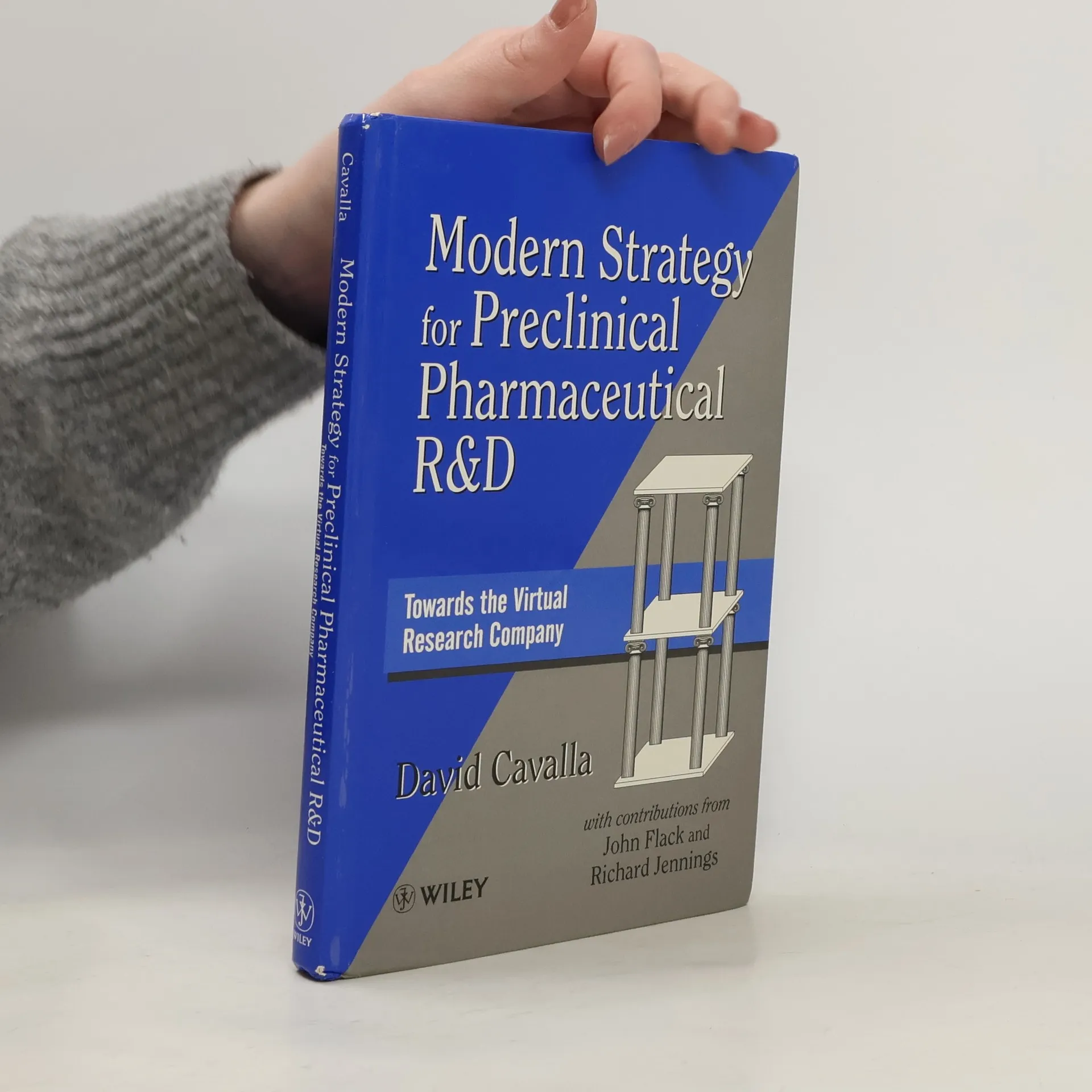
Modern Strategy for Preclinical Pharmaceutical R&D, David Cavalla, John Flack, Richard Jennings
- Jazyk

- Rok vydání
- 1997
- Vazba
- (pevná)
Nikdo zatím neohodnotil.
- Titul
- Modern Strategy for Preclinical Pharmaceutical R&D
- Podtitul
- Towards the Virtual Research Company
- Jazyk
- anglicky
- Autoři
- David Cavalla, John Flack, Richard Jennings
- Vydavatel
- WILEY
- Rok vydání
- 1997
- Vazba
- pevná
- Počet stran
- 228
- ISBN10
- 0471971170
- ISBN13
- 9780471971177
- Série
- Kategorie
- Štítky
- Byznys, Přírodní vědy, Lékařská tématika, Technologie, Odborná literatura, Austrálie, Výzkum, Drogy, Průmysl, Strategie, Farmakologie, Lékárnictví, farmacie, Léky, léčiva, Kancelář, Lékařský výzkum
- Anotace
- The twentieth century has been a great success for modern medicine, and has resulted in the generation of a plethora of drugs to treat most common illnesses. However, in the light of increasing regulatory demands, spiralling costs and diminishing commercial returns, the question of how, when, where and whether to conduct pharmaceutical R&D has profound implications, and not just for those within the pharmaceutical industry. In response to these and other dilemmas, the authors define the processes involved in drug research, and examine the advantages and disadvantages of collaborative methods of drug research, and examine the roles that academia, CROs, small "biotechnology" companies and "research boutiques," and possibly even the "virtual research company" might play as contractors and collaborators.