

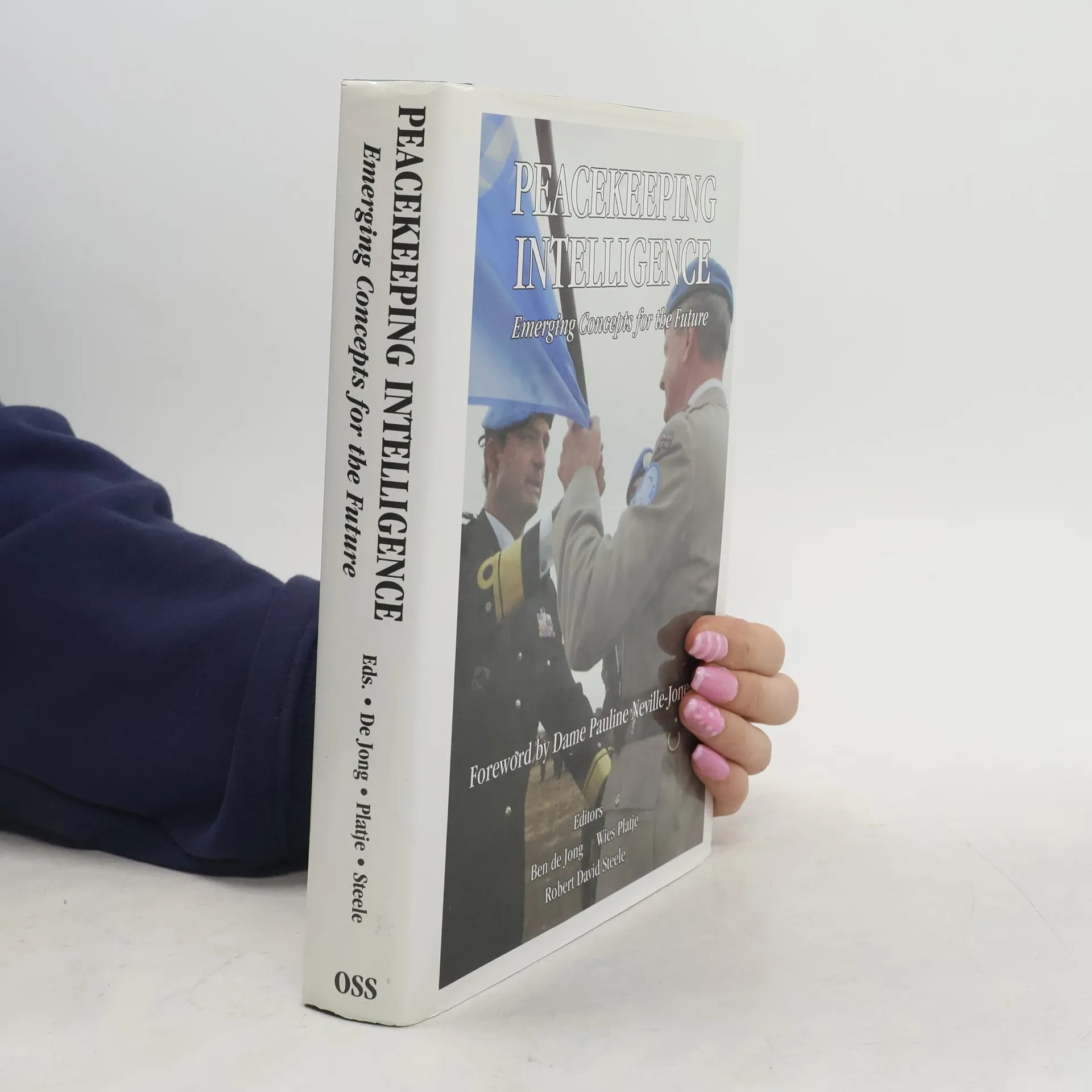


Peacekeeping Intelligence
Emerging Concepts for the Future
Hodnocení knihy
Více o knize
Each year, millions face death, displacement, disease, and severe deprivation due to rogue states, predatory groups, and terrorist organizations. While acknowledging the efforts of certain Nation-States and Non-Governmental Organizations, only one entity is genuinely focused on global security and prosperity: the United Nations. However, the UN often conflates "intelligence" with espionage, overlooking its true purpose. Intelligence is not about spying; it involves rational decision-support, where global information from various sources—oral, written, and visual—is systematically gathered, processed, analyzed, and presented to decision-makers. This process reduces uncertainty and helps manage instability. This book uniquely combines insights from seasoned UN military commanders, national intelligence leaders, and scholars of UN and insurgency history. It includes findings from the inaugural peacekeeping intelligence conference held in The Netherlands in 2002, alongside eight seminal works and three critical future references: extracts from the Brahimi Report with intelligence-related notes, a new Peacekeeping Intelligence Leadership Digest 1.0 summarizing the book, and pointers to NATO doctrinal documents on Open Source Intelligence (OSINT) and select recent references. Essentially, this book serves as a foundational reference for the future of intelligence at the United Nations.
Nákup knihy
Peacekeeping Intelligence, Wies Platje, Dame Pauline Neville-Jones, Ben de Jong, Robert David Steele
- Jazyk

- Rok vydání
- 2003
- Vazba
- (pevná)
Doručení
Platební metody
Tady nám chybí tvá recenze.
- Titul
- Peacekeeping Intelligence
- Podtitul
- Emerging Concepts for the Future
- Jazyk
- anglicky
- Vydavatel
- OSS International Press
- Rok vydání
- 2003
- Vazba
- pevná
- Počet stran
- 532
- ISBN10
- 0971566127
- ISBN13
- 9780971566125
- Série
- Kategorie
- Štítky
- Hodnocení
- 4 z 5
- Anotace
- Each year, millions face death, displacement, disease, and severe deprivation due to rogue states, predatory groups, and terrorist organizations. While acknowledging the efforts of certain Nation-States and Non-Governmental Organizations, only one entity is genuinely focused on global security and prosperity: the United Nations. However, the UN often conflates "intelligence" with espionage, overlooking its true purpose. Intelligence is not about spying; it involves rational decision-support, where global information from various sources—oral, written, and visual—is systematically gathered, processed, analyzed, and presented to decision-makers. This process reduces uncertainty and helps manage instability. This book uniquely combines insights from seasoned UN military commanders, national intelligence leaders, and scholars of UN and insurgency history. It includes findings from the inaugural peacekeeping intelligence conference held in The Netherlands in 2002, alongside eight seminal works and three critical future references: extracts from the Brahimi Report with intelligence-related notes, a new Peacekeeping Intelligence Leadership Digest 1.0 summarizing the book, and pointers to NATO doctrinal documents on Open Source Intelligence (OSINT) and select recent references. Essentially, this book serves as a foundational reference for the future of intelligence at the United Nations.