

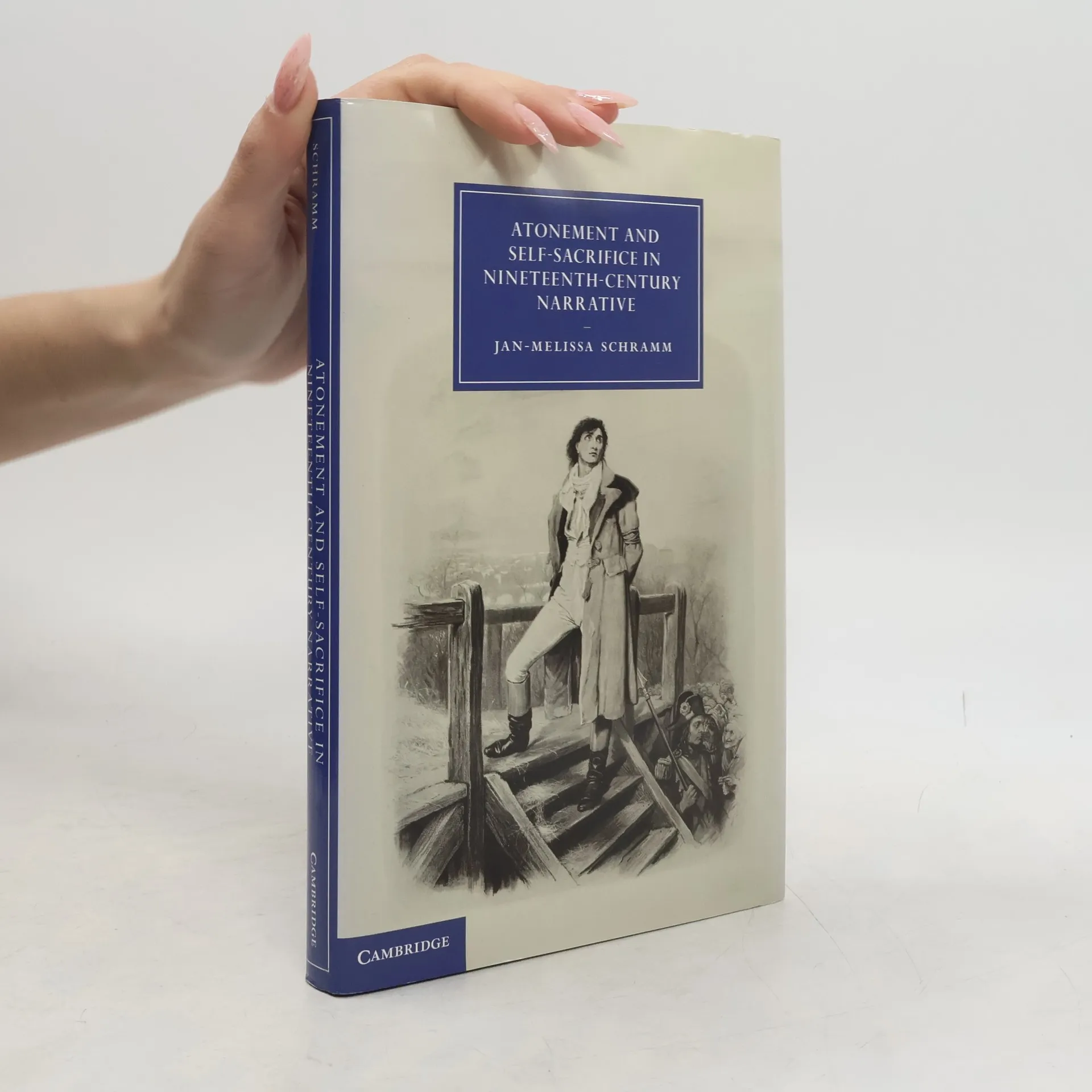

Atonement and Self-Sacrifice in Nineteenth-Century Narrative
Autoři
Hodnocení knihy
Více o knize
Jan-Melissa Schramm explores the conflicted attitude of the Victorian novel to sacrifice and the act of substitution on which it depends. The Christian idea of redemption celebrated the suffering of the innocent: to embrace a life of metaphorical self-sacrifice was to follow in the footsteps of Christ's literal Passion. Moreover, the ethical agenda of fiction relied on the expansion of sympathy which imaginative substitution was seen to encourage. But Victorian criminal law sought to calibrate punishment and culpability as it repudiated archaic models of sacrifice that scapegoated the innocent. The tension between these models is registered creatively in the fiction of novelists such as Dickens, Gaskell and Eliot, at a time when acts of Chartist protest, national sacrifices made during the Crimean War, and the extension of the franchise combined to call into question what it means for one man to 'stand for' and perhaps even 'die for', another.
Nákup knihy
Atonement and Self-Sacrifice in Nineteenth-Century Narrative, Jan-Melissa Schramm
- Jazyk

- Rok vydání
- 2012
- Vazba
- (pevná)
Doručení
Platební metody
Tady nám chybí tvá recenze.
- Titul
- Atonement and Self-Sacrifice in Nineteenth-Century Narrative
- Jazyk
- anglicky
- Autoři
- Jan-Melissa Schramm
- Vydavatel
- Cambridge University Press
- Rok vydání
- 2012
- Vazba
- pevná
- Počet stran
- 310
- ISBN10
- 110702126X
- ISBN13
- 9781107021266
- Štítky
- Historické téma, 19. století, Velká Británie, Literární kritika, Inspirace, Irsko, Modernismus
- Hodnocení
- 3,5 z 5
- Anotace
- Jan-Melissa Schramm explores the conflicted attitude of the Victorian novel to sacrifice and the act of substitution on which it depends. The Christian idea of redemption celebrated the suffering of the innocent: to embrace a life of metaphorical self-sacrifice was to follow in the footsteps of Christ's literal Passion. Moreover, the ethical agenda of fiction relied on the expansion of sympathy which imaginative substitution was seen to encourage. But Victorian criminal law sought to calibrate punishment and culpability as it repudiated archaic models of sacrifice that scapegoated the innocent. The tension between these models is registered creatively in the fiction of novelists such as Dickens, Gaskell and Eliot, at a time when acts of Chartist protest, national sacrifices made during the Crimean War, and the extension of the franchise combined to call into question what it means for one man to 'stand for' and perhaps even 'die for', another.