

Více o knize
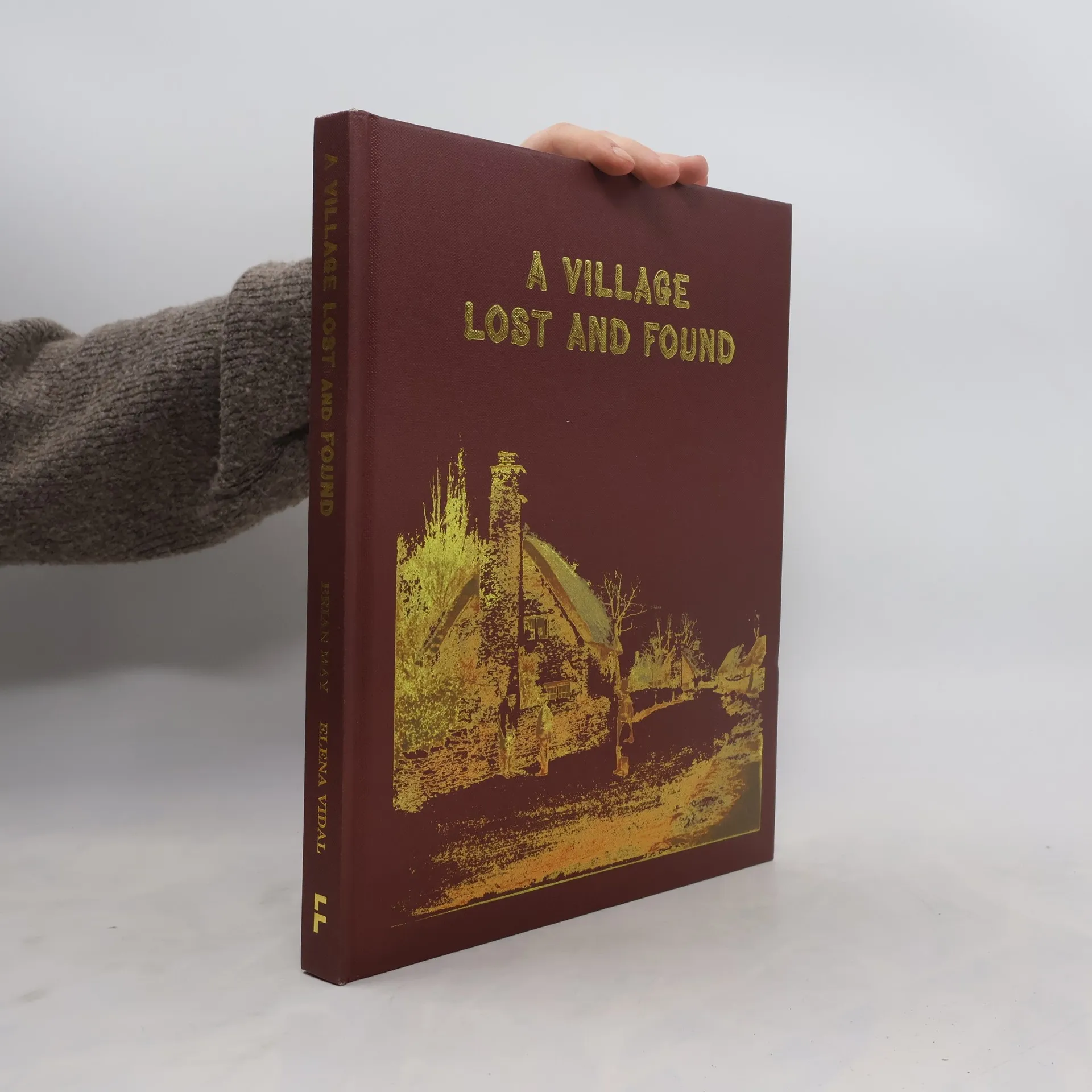
Based on 30 years of research, Brian May's painstaking excavation of exquisite stereo photographs from the dawn of photography transports readers to the lost world of an Oxfordshire village of the 1850s. At the book's heart is a reproduction of T. R. Williams' 1856 series of stereo photographs, "Scenes In Our Village." Using the viewer supplied with this book, the reader can become absorbed in a village idyll of the early Victorian era: the subjects seem to be on the point of suddenly bursting back into life and continuing with their daily rounds. The book is also something of a detective story, as the village itself was only identified in 2003 as Hinton Waldrist in Oxfordshire, and the authors' research constantly reveals further clues about the society of those distant times, historic photographic techniques, and the life of the enigmatic Williams himself, who appears, Hitchcock-like, from time to time in his own photographs.
Nákup knihy
A Village Lost and Found, Elena Vidal
- Jazyk

- Rok vydání
- Vazba
- (pevná)
Doručení
Platební metody
Tady nám chybí tvá recenze.
- Titul
- A Village Lost and Found
- Jazyk
- anglicky
- Autoři
- Elena Vidal
- Vazba
- pevná
- Počet stran
- 240
- ISBN10
- 0711230390
- ISBN13
- 9780711230392
- Série
- Kategorie
- Štítky
- Umění
- Hodnocení
- 4,45 z 5
- Anotace
- Based on 30 years of research, Brian May's painstaking excavation of exquisite stereo photographs from the dawn of photography transports readers to the lost world of an Oxfordshire village of the 1850s. At the book's heart is a reproduction of T. R. Williams' 1856 series of stereo photographs, "Scenes In Our Village." Using the viewer supplied with this book, the reader can become absorbed in a village idyll of the early Victorian era: the subjects seem to be on the point of suddenly bursting back into life and continuing with their daily rounds. The book is also something of a detective story, as the village itself was only identified in 2003 as Hinton Waldrist in Oxfordshire, and the authors' research constantly reveals further clues about the society of those distant times, historic photographic techniques, and the life of the enigmatic Williams himself, who appears, Hitchcock-like, from time to time in his own photographs.