


Série
Více o knize
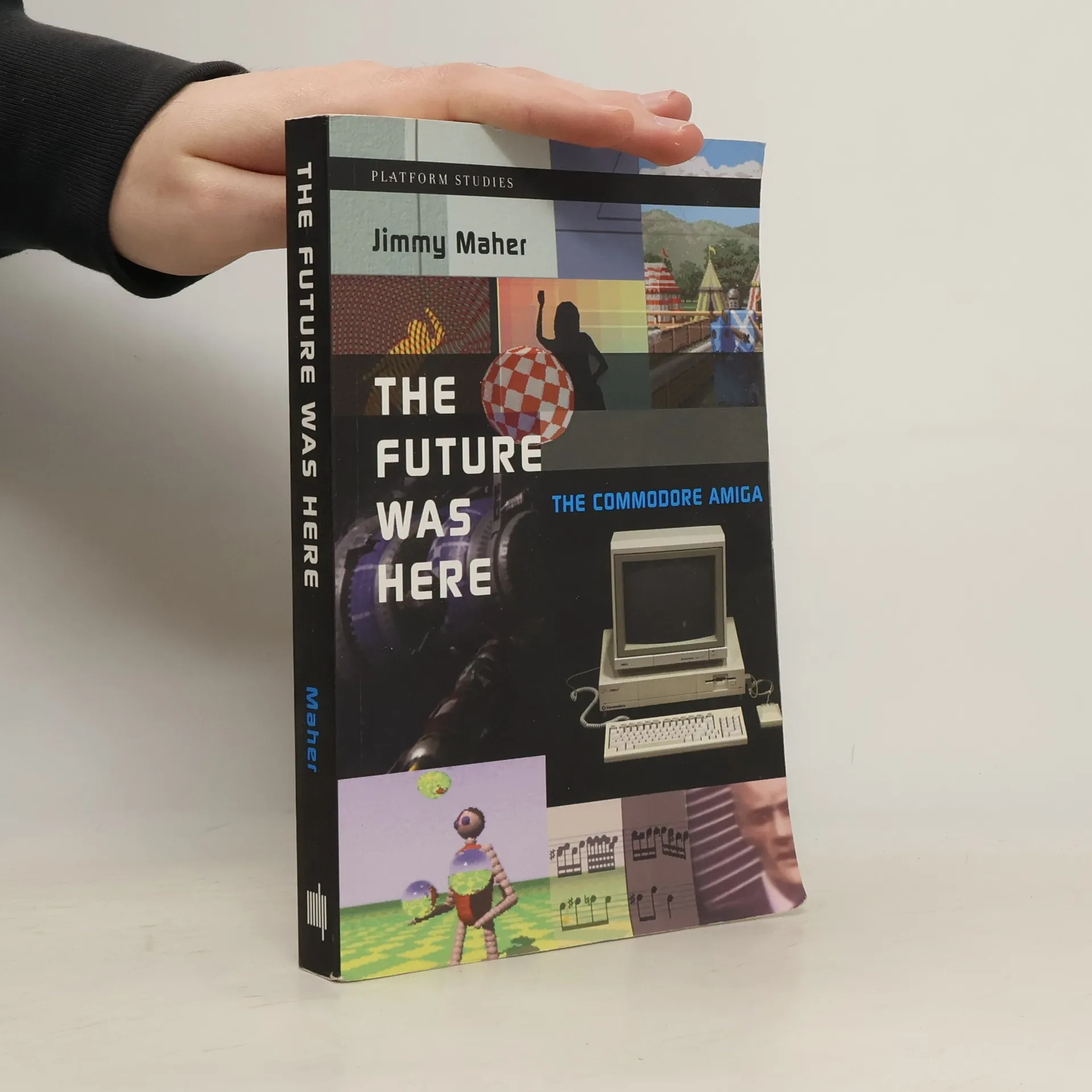
In 1985, personal computers were largely divided into two categories: playful game machines from companies like Atari and Commodore, and utilitarian business machines from IBM. The former offered limited real-world utility, while the latter focused solely on functionality, lacking any sense of fun. Enter the Commodore Amiga 1000, a groundbreaking personal computer that introduced a palette of 4,096 colors, advanced animation capabilities, four-channel stereo sound, multitasking, a graphical user interface, and impressive processing power. According to Jimmy Maher, this was the world's first true multimedia computer. He argues that the Amiga's ability to store and display color photos, manipulate video, and use real-world sound recordings laid the groundwork for the digital media future, influencing technologies like digital cameras, Photoshop, MP3 players, and platforms such as YouTube and Flickr. Maher explores various aspects of the Amiga, including Deluxe Paint, AmigaOS, and Cinemaware, painting a vivid picture of the platform and its vibrant community. While acknowledging its flaws—such as a clunky DOS component and frequent crashes—he highlights how, for a brief period, the Amiga empowered engineers, programmers, and artists to redefine the landscape of computing before Commodore's bankruptcy in 1994.
Nákup knihy
Platform Studies: The Future Was Here, Jimmy Maher
- Jazyk

- Rok vydání
- 2018
- Vazba
- (měkká)
Tady nám chybí tvá recenze.
- Titul
- Platform Studies: The Future Was Here
- Podtitul
- The Commodore Amiga
- Jazyk
- anglicky
- Autoři
- Jimmy Maher
- Vydavatel
- MIT Press
- Rok vydání
- 2018
- Vazba
- měkká
- Počet stran
- 344
- ISBN10
- 0262535696
- ISBN13
- 9780262535694
- Série
- Platformová studia
- Kategorie
- Štítky
- Historické téma, Byznys, Psychologická tématika, Příručky a návody, Filosofická tématika, Technologie, Hry, Dárky pro ženy, Kultura a společnost, Dárky pro muže, Kultura, Dárky, Budoucnost, Internet, Populární kultura, Umělá inteligence, Hardware
- Hodnocení
- 3,65 z 5
- Anotace
- In 1985, personal computers were largely divided into two categories: playful game machines from companies like Atari and Commodore, and utilitarian business machines from IBM. The former offered limited real-world utility, while the latter focused solely on functionality, lacking any sense of fun. Enter the Commodore Amiga 1000, a groundbreaking personal computer that introduced a palette of 4,096 colors, advanced animation capabilities, four-channel stereo sound, multitasking, a graphical user interface, and impressive processing power. According to Jimmy Maher, this was the world's first true multimedia computer. He argues that the Amiga's ability to store and display color photos, manipulate video, and use real-world sound recordings laid the groundwork for the digital media future, influencing technologies like digital cameras, Photoshop, MP3 players, and platforms such as YouTube and Flickr. Maher explores various aspects of the Amiga, including Deluxe Paint, AmigaOS, and Cinemaware, painting a vivid picture of the platform and its vibrant community. While acknowledging its flaws—such as a clunky DOS component and frequent crashes—he highlights how, for a brief period, the Amiga empowered engineers, programmers, and artists to redefine the landscape of computing before Commodore's bankruptcy in 1994.