

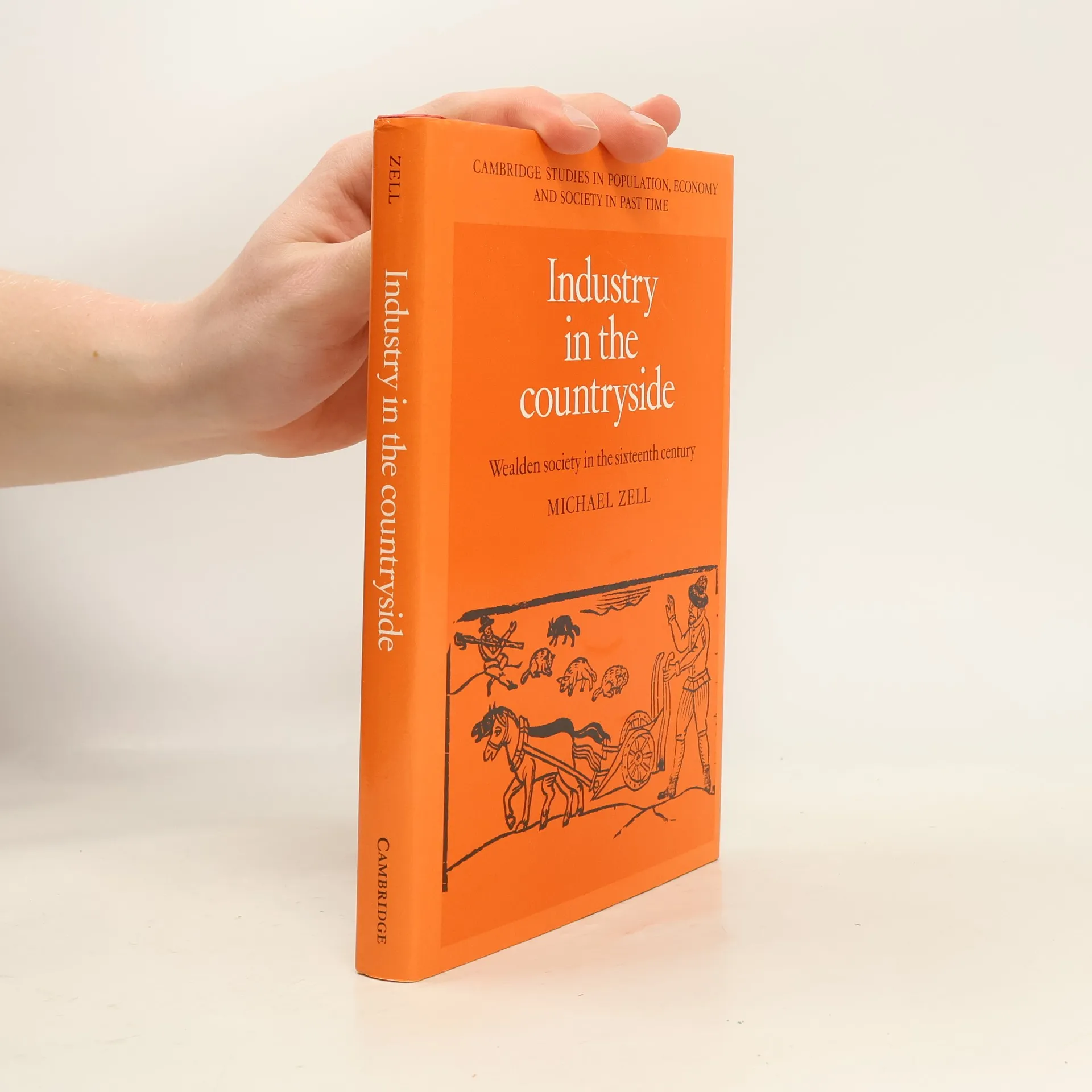


Cambridge Studies in Population, Economy, and Society in Past Time: Industry in the Countryside
Wealden Society in the Sixteenth Century
Autoři
Více o knize
Industry in the Countryside is a wide-ranging and readable study of the nature of manufacturing before the Industrial Revolution. It examines the widely-debated theory of 'proto-industrialisation', drawing on data from the Kentish Weald - an area which was already a centre of cottage industry in the Tudor era and was also the earliest rural manufacturing region to 'de-industrialise'. The book analyses the Wealden textile industry from its workforce to its industrialists and emphasises the ubiquity of dual employment among textile workers. It explores the local context of cottage industry, investigating the pattern of landholding and inheritance, the local farming regime, and the demographic background to rural industrialisation. Zell outlines what type of local economy became the site of this so-called 'proto-industry' and shows the impact of cottage industry on the people of such regions. He concludes by asking, is there anything in the 'proto-industrialisation' model?
Nákup knihy
Cambridge Studies in Population, Economy, and Society in Past Time: Industry in the Countryside, Michael Zell
- Jazyk

- Rok vydání
- 1994
- Vazba
- (pevná)
Doručení
Platební metody
Nikdo zatím neohodnotil.
- Titul
- Cambridge Studies in Population, Economy, and Society in Past Time: Industry in the Countryside
- Podtitul
- Wealden Society in the Sixteenth Century
- Jazyk
- anglicky
- Autoři
- Michael Zell
- Vydavatel
- Cambridge University Press
- Rok vydání
- 1994
- Vazba
- pevná
- Počet stran
- 276
- ISBN10
- 0521445418
- ISBN13
- 9780521445412
- Štítky
- Historické téma, Byznys, Evropa, Anglie, Velká Británie, Divoký západ, 16. století, Hospodářské dějiny, Společenské poměry
- Anotace
- Industry in the Countryside is a wide-ranging and readable study of the nature of manufacturing before the Industrial Revolution. It examines the widely-debated theory of 'proto-industrialisation', drawing on data from the Kentish Weald - an area which was already a centre of cottage industry in the Tudor era and was also the earliest rural manufacturing region to 'de-industrialise'. The book analyses the Wealden textile industry from its workforce to its industrialists and emphasises the ubiquity of dual employment among textile workers. It explores the local context of cottage industry, investigating the pattern of landholding and inheritance, the local farming regime, and the demographic background to rural industrialisation. Zell outlines what type of local economy became the site of this so-called 'proto-industry' and shows the impact of cottage industry on the people of such regions. He concludes by asking, is there anything in the 'proto-industrialisation' model?