

Parametry
- 96 stránek
- 4 hodiny čtení
Více o knize
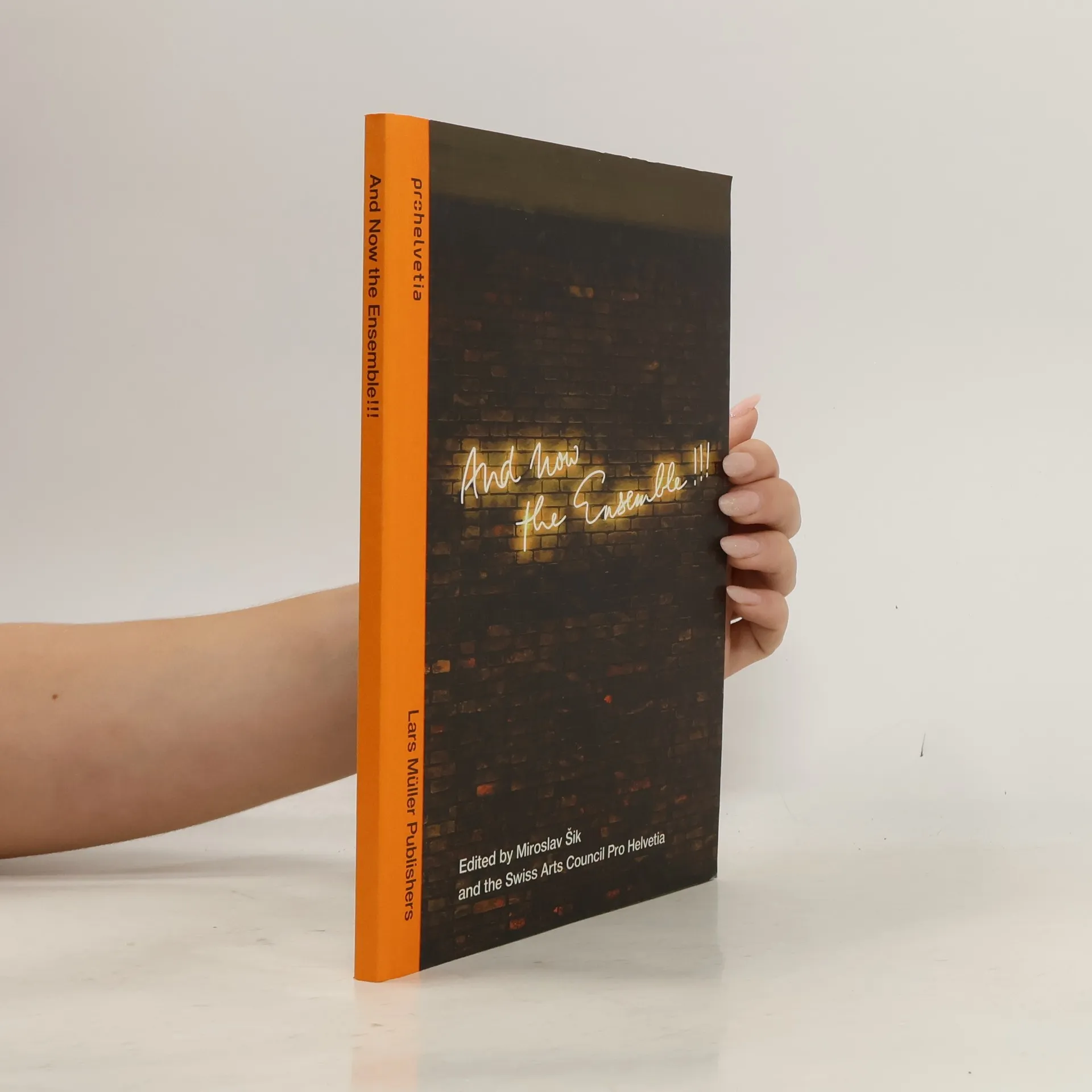
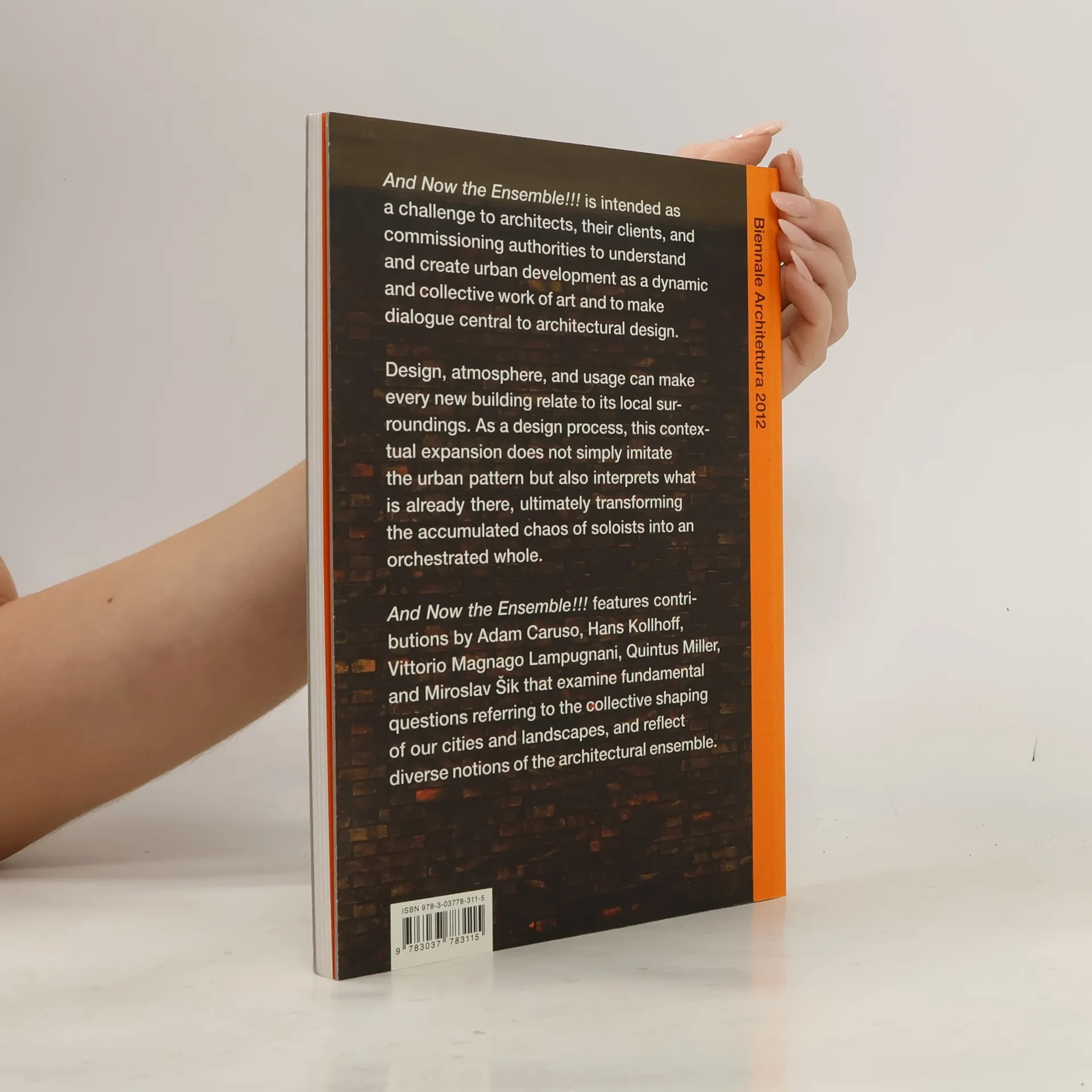
And Now the Ensemble! is intended as a challenge to architects, their clients, and commissioning authorities to understand and create urban development as a dynamic and collective work of art; in short, to make dialogue central to design. Design, atmosphere, and use can make every new building relate to its local surroundings. As a design process, this contextual expansion does not simply imitate the urban pattern, but interprets what is already there, to some extent modernizes it, makes the familiar alien by employing unusual atmospheric imagery, and ultimately transforms the accumulated chaos of soloists into an orchestrated whole.
Nákup knihy
And Now the Ensemble!, Miroslav Sik, Hans Kollhoff, Quintus Miller, Vittorio Magnano Lampugnani, Caruso, M. Adam
- Jazyk

- Rok vydání
- 2012
- Vazba
- (pevná)
Doručení
Platební metody
Tady nám chybí tvá recenze.
- Titul
- And Now the Ensemble!
- Jazyk
- anglicky
- Vydavatel
- Lars Müller Publishers
- Rok vydání
- 2012
- Vazba
- pevná
- Počet stran
- 96
- ISBN10
- 3037783117
- ISBN13
- 9783037783115
- Série
- Kategorie
- Štítky
- Byznys, Umění, Architektura, Politika, 20. století, Technologie, Ekologická tématika, Společnost, Kultura a společnost, Historie Evropy, Kultura, Historie USA, Vědecké teorie, Švýcarsko, Komunismus, Města, Západní Evropa, Demokracie, Globalizace, Urbanismus, urbanizace, Kapitalismus, Benátky, Imigrace, Dozor, sledování, Kulturní antropologie, Imperialismus, Vynálezci, Projektování, Orální historie, Střední Amerika
- Hodnocení
- 4 z 5
- Anotace
- And Now the Ensemble! is intended as a challenge to architects, their clients, and commissioning authorities to understand and create urban development as a dynamic and collective work of art; in short, to make dialogue central to design. Design, atmosphere, and use can make every new building relate to its local surroundings. As a design process, this contextual expansion does not simply imitate the urban pattern, but interprets what is already there, to some extent modernizes it, makes the familiar alien by employing unusual atmospheric imagery, and ultimately transforms the accumulated chaos of soloists into an orchestrated whole.