

Více o knize
The aim of this book is not to impart a substantive knowledge of core psychological theories, or even to analyze critically selected theories. Instead, it is to prepare the reader to analyze and advance the theoretical literature in any tradition. Theoretical psychology stands in the same relation to psychology as theoretical physics does to physics. The traditional way to study theoretical psychology is to take up one approach after another—behavioral, psychoanalytic, cognitive, and so on. The aim of this book is not to impart a substantive knowledge of core psychological theories, or even to analyze critically selected theories. Instead, it is to prepare the reader to analyze and advance the theoretical literature in any tradition. A good theoretician should be able to contribute to the study of psychoanalytic theory as readily as to behavioral theory. The skills required are the same. Instead of covering a sequence of theories, therefore, the book is organized around types of theoretical activities. It is not a work in theoretical psychology; it is a book about theoretical psychology. It also confronts psychologists' underestimation of the variety and the significance of theoretical work. Many theoretical issues do not call for empirical research—they require nothing but thinking.
Nákup knihy
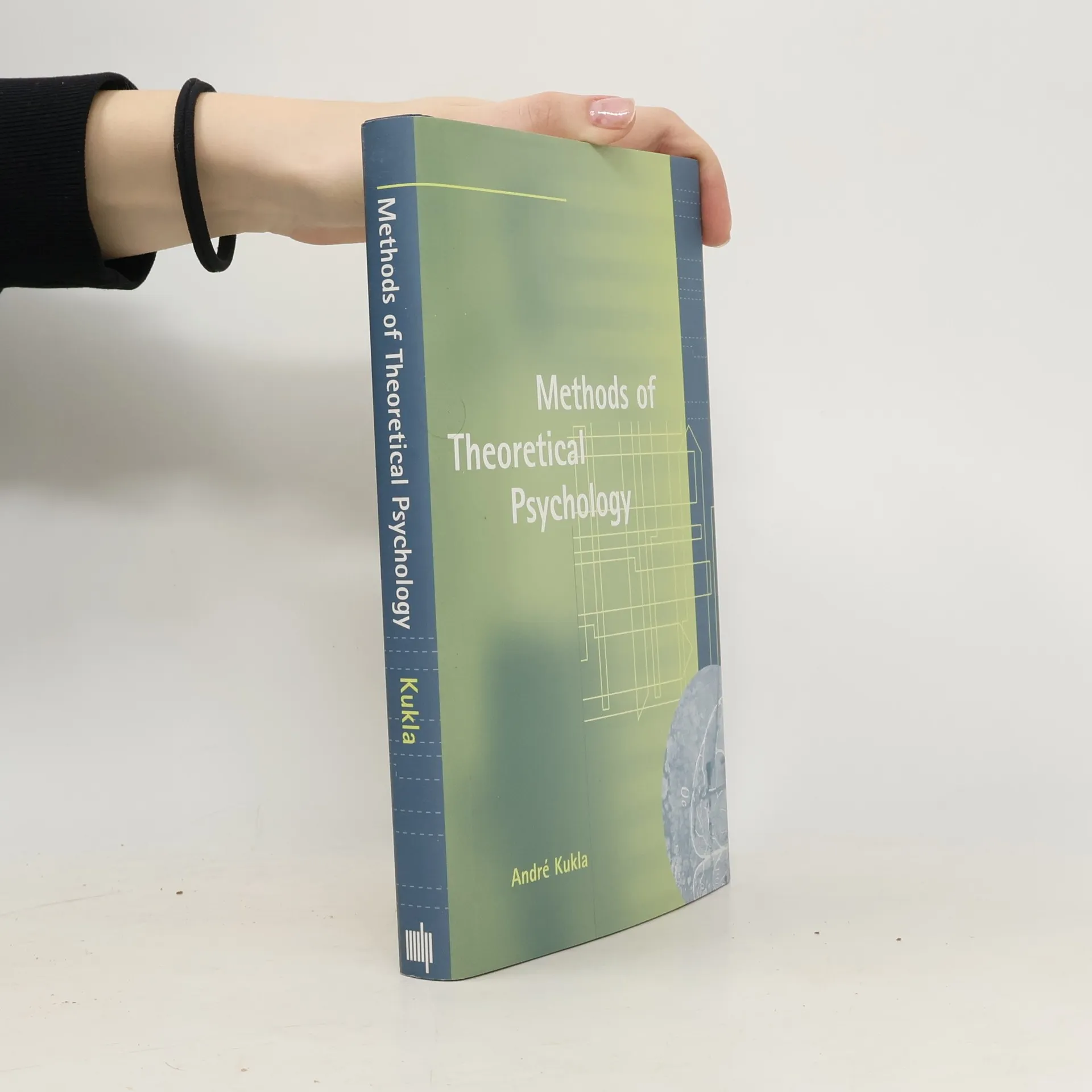
Methods of Theoretical Psychology, André Kukla
- Jazyk

- Rok vydání
- 2001
- Vazba
- (pevná)
Tady nám chybí tvá recenze.
- Titul
- Methods of Theoretical Psychology
- Jazyk
- anglicky
- Autoři
- André Kukla
- Vydavatel
- MIT Press
- Rok vydání
- 2001
- Vazba
- pevná
- Počet stran
- 250
- ISBN10
- 0262112612
- ISBN13
- 9780262112611
- Série
- Hodnocení
- 3,5 z 5
- Anotace
- The aim of this book is not to impart a substantive knowledge of core psychological theories, or even to analyze critically selected theories. Instead, it is to prepare the reader to analyze and advance the theoretical literature in any tradition. Theoretical psychology stands in the same relation to psychology as theoretical physics does to physics. The traditional way to study theoretical psychology is to take up one approach after another—behavioral, psychoanalytic, cognitive, and so on. The aim of this book is not to impart a substantive knowledge of core psychological theories, or even to analyze critically selected theories. Instead, it is to prepare the reader to analyze and advance the theoretical literature in any tradition. A good theoretician should be able to contribute to the study of psychoanalytic theory as readily as to behavioral theory. The skills required are the same. Instead of covering a sequence of theories, therefore, the book is organized around types of theoretical activities. It is not a work in theoretical psychology; it is a book about theoretical psychology. It also confronts psychologists' underestimation of the variety and the significance of theoretical work. Many theoretical issues do not call for empirical research—they require nothing but thinking.