

Miláček čtenářů je právě vyprodaný
Parametry
- 456 stránek
- 16 hodin čtení
Více o knize
"What Causes Genocide?" explores the psychological forces behind moral choices during atrocities like the Holocaust. Through interviews with bystanders, supporters, and rescuers, Monroe examines how identity influences our perceptions of others, shaping our responses to persecution. She introduces "moral salience" and addresses the dehumanization necessary for genocide, offering insights applicable to various forms of prejudice and violence.
Nákup knihy
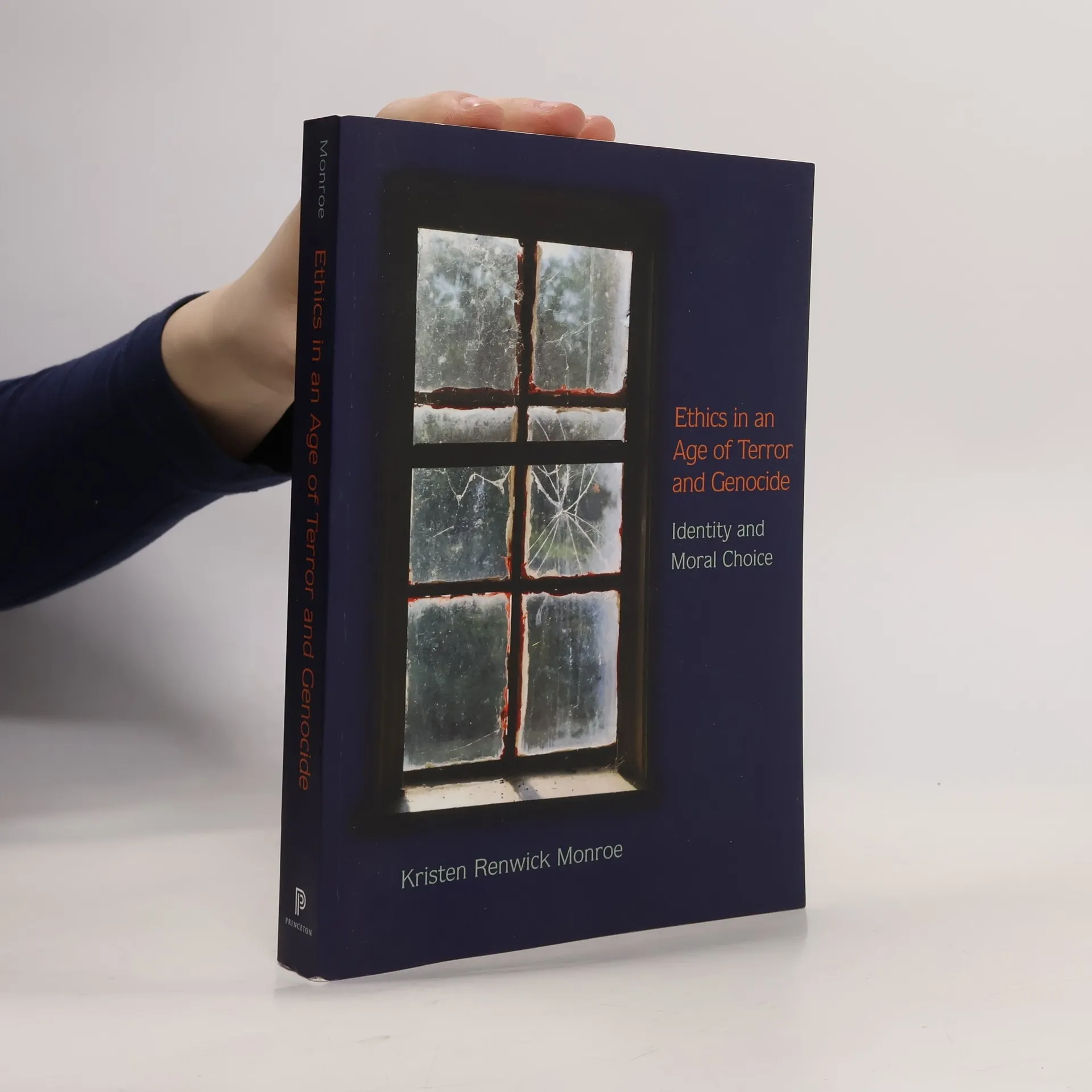
Ethics in an Age of Terror and Genocide, Kristen Renwick Monroe
- Jazyk

- Rok vydání
- 2010
- Vazba
- (měkká)
Jakmile se objeví, pošleme e-mail.
Doručení
Platební metody
Tady nám chybí tvá recenze.
- Titul
- Ethics in an Age of Terror and Genocide
- Podtitul
- Identity and Moral Choice
- Jazyk
- anglicky
- Autoři
- Kristen Renwick Monroe
- Vydavatel
- Princeton University Press
- Rok vydání
- 2010
- Vazba
- měkká
- Počet stran
- 456
- ISBN10
- 0691151431
- ISBN13
- 9780691151434
- Série
- Kategorie
- Štítky
- Historické téma, Psychologická tématika, Náboženská témata, Filosofická tématika, Politika, 20. století, Druhá světová válka, Evropa, Židé, Politické teorie, Holokaust, Nacismus, Vědecké teorie, Rasa, rasismus, První světová válka (1914–1918), Etika, Židovská literatura, Terorismus, Nenávist, Lidská práva, Adolf Hitler, Morálka, Pronásledování, perzekuce, Kazuistiky, Sociální psychologie, Chování, etologie, Ideologie, Němci, Genocida, Rozum, Gestapo, Rusové, Politická etika, Altruismus, Dehumanizace
- Hodnocení
- 3,65 z 5
- Anotace
- "What Causes Genocide?" explores the psychological forces behind moral choices during atrocities like the Holocaust. Through interviews with bystanders, supporters, and rescuers, Monroe examines how identity influences our perceptions of others, shaping our responses to persecution. She introduces "moral salience" and addresses the dehumanization necessary for genocide, offering insights applicable to various forms of prejudice and violence.