


Více o knize
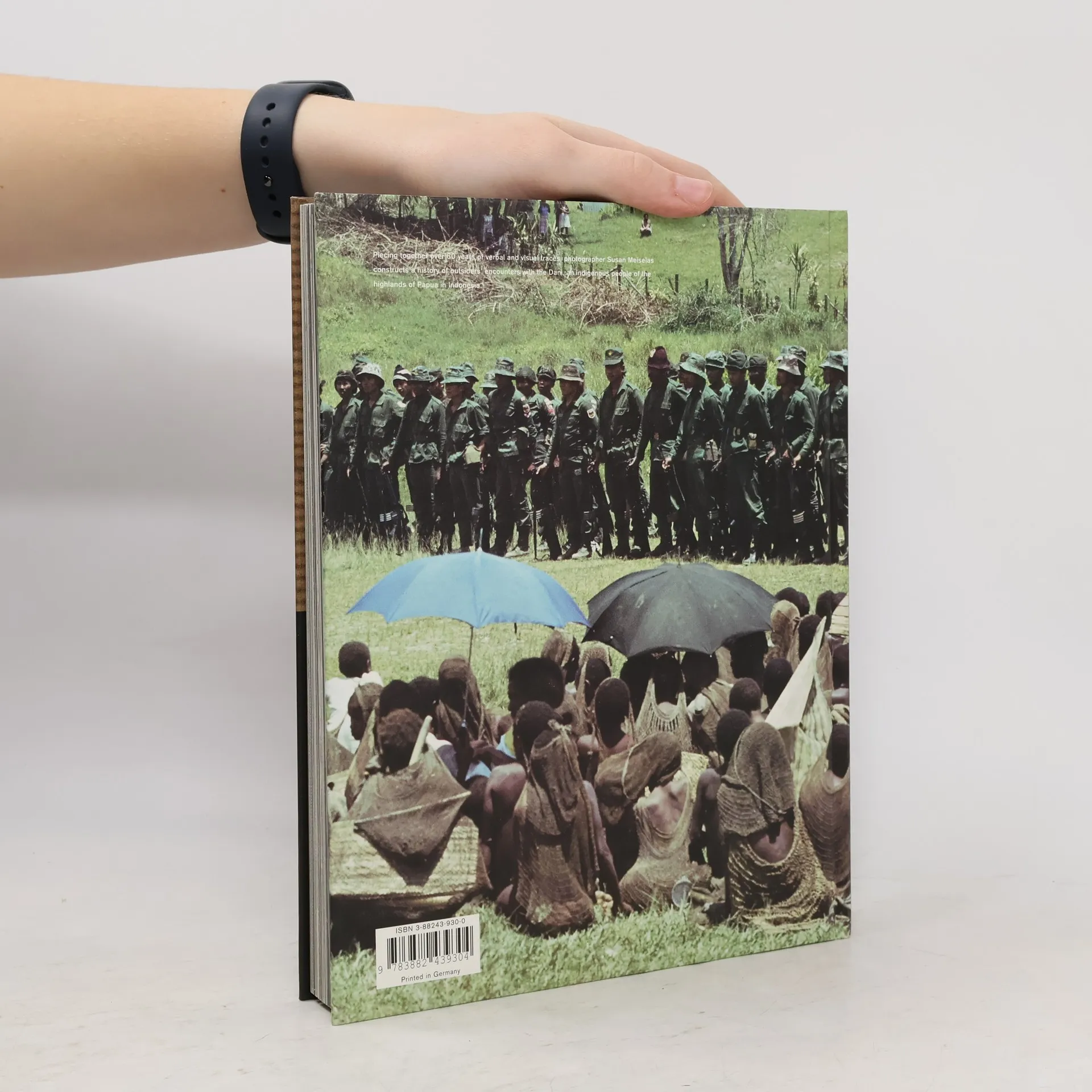
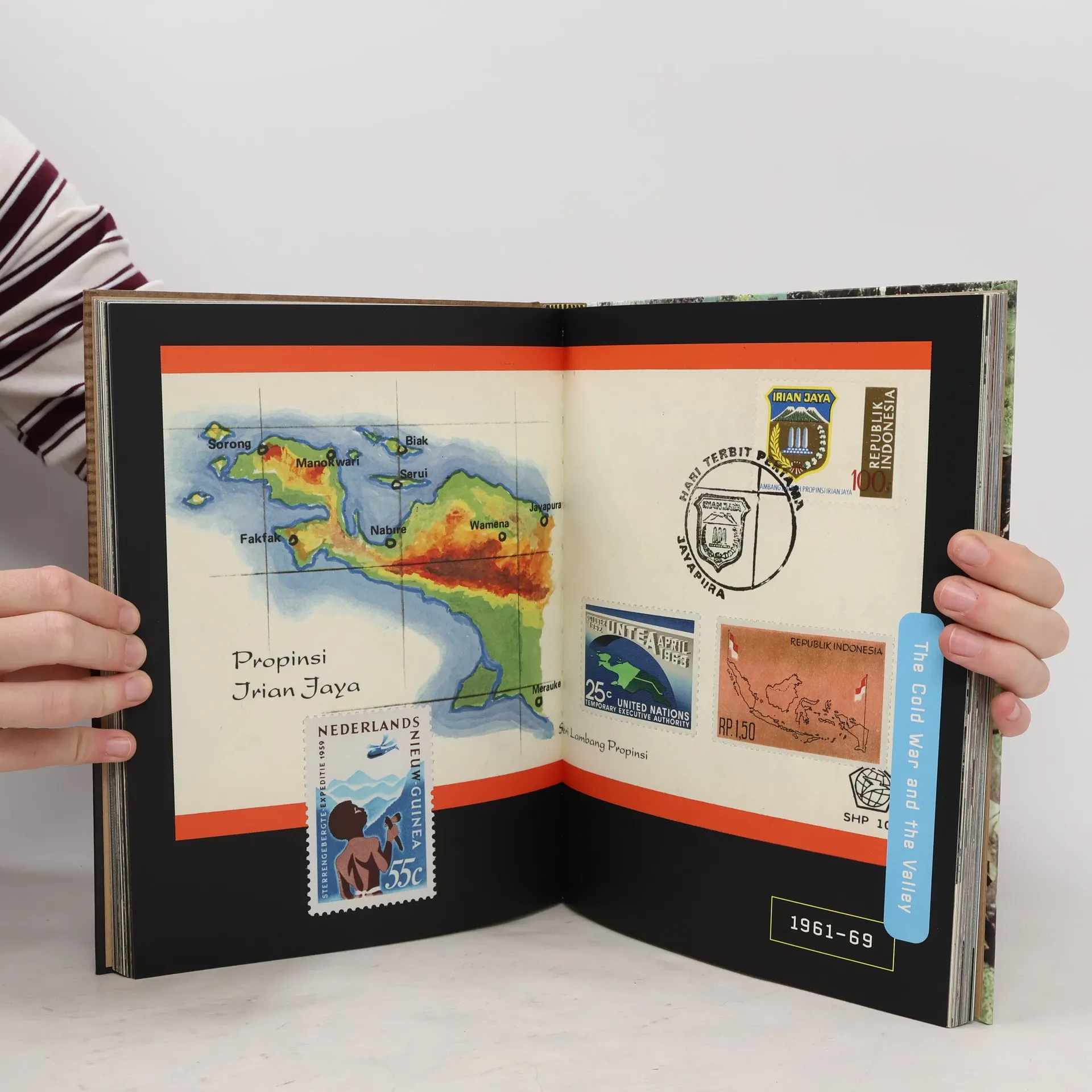
In her most recent body of work, acclaimed photographer Susan Meiselas pieces together verbal and visual traces of encounters with the Dani--an indigenous people of the West Papuan highlands--from the nearly six decades since their "discovery" by the West. In this subjective, fragmentary history, Meiselas draws from the experiences of missionaries, colonists, anthropologists and modern-day ecotourists, all of whom have come to the Dani's Baliem Valley and transformed the conditions under which they live. The ambiguous relations between power and representation--whether in the form of Dutch colonial patrol notes from the 1930s, the sensationalized media accounts of the survivors of a downed U.S. army plane in "Shangri-La" from the 1940s or a tourist's snapshots from the 1990s--become visible in Meiselas's book, through both the contradictions and unexpected continuities of the gathered materials.
Nákup knihy
Encounters With the Dani, Susan Meiselas
- Jazyk

- Rok vydání
- 2003
- Vazba
- (pevná)
Doručení
Platební metody
Tady nám chybí tvá recenze.
- Titul
- Encounters With the Dani
- Jazyk
- anglicky
- Autoři
- Susan Meiselas
- Vydavatel
- Steidl
- Rok vydání
- 2003
- Vazba
- pevná
- Počet stran
- 176
- ISBN10
- 3882439300
- ISBN13
- 9783882439304
- Série
- Štítky
- Historické téma, Cestování, USA, Životní styl, Domorodé kmeny, Indonésie
- Hodnocení
- 4,25 z 5
- Anotace
- In her most recent body of work, acclaimed photographer Susan Meiselas pieces together verbal and visual traces of encounters with the Dani--an indigenous people of the West Papuan highlands--from the nearly six decades since their "discovery" by the West. In this subjective, fragmentary history, Meiselas draws from the experiences of missionaries, colonists, anthropologists and modern-day ecotourists, all of whom have come to the Dani's Baliem Valley and transformed the conditions under which they live. The ambiguous relations between power and representation--whether in the form of Dutch colonial patrol notes from the 1930s, the sensationalized media accounts of the survivors of a downed U.S. army plane in "Shangri-La" from the 1940s or a tourist's snapshots from the 1990s--become visible in Meiselas's book, through both the contradictions and unexpected continuities of the gathered materials.