

Více o knize
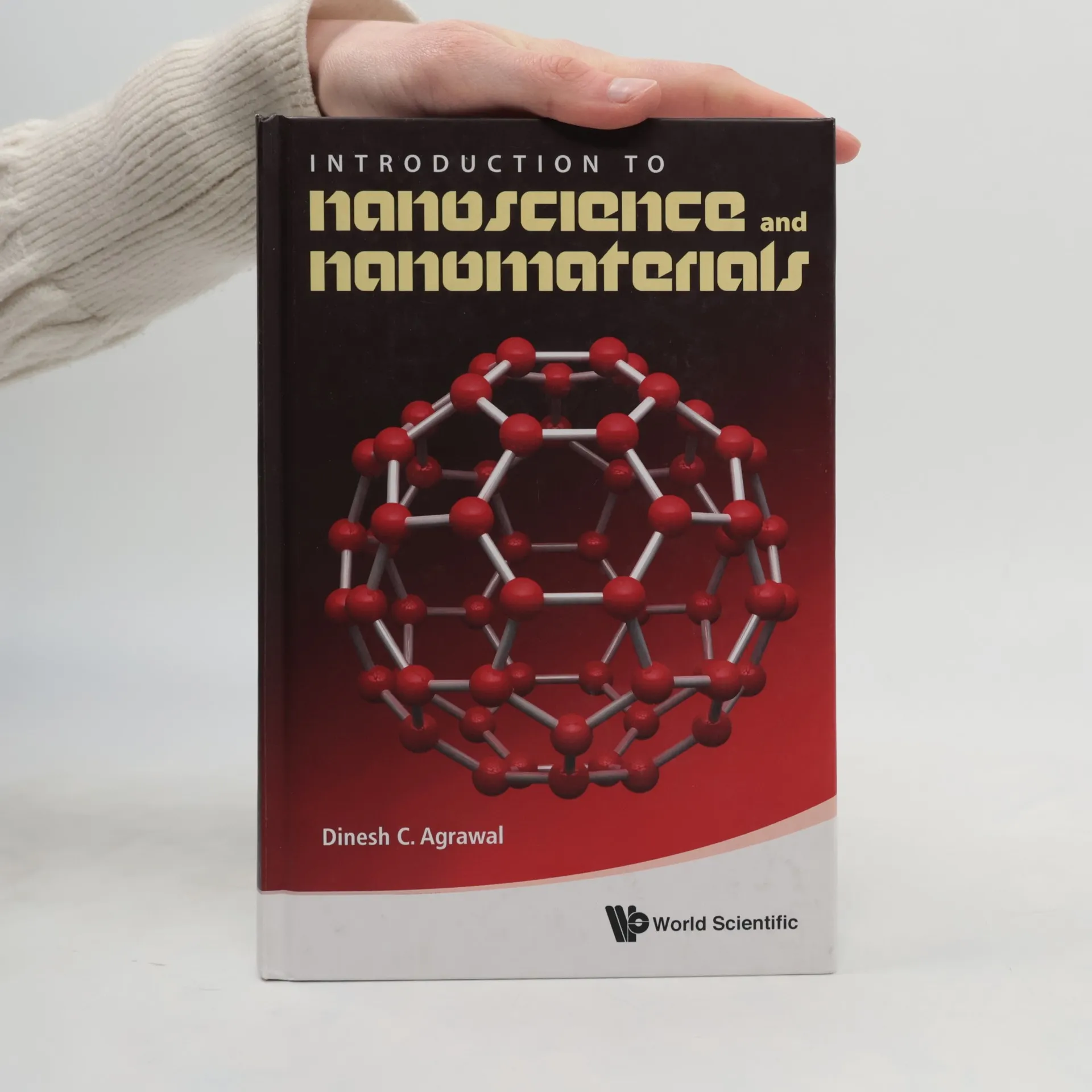
This textbook is designed for senior undergraduate and first-year graduate students in various engineering and science disciplines, including physics, chemistry, and bioengineering. It also serves as a valuable resource for researchers in nanomaterials and nanoscience, providing the foundational knowledge needed to engage with current literature. The text requires only a basic understanding of physics, chemistry, and mathematics, with introductory material included in the early chapters and appendices. This approach acknowledges that not all students will have the same background, making it a useful reference for understanding the content. Given the rapid development in nanoscience, nanotechnology, and nanomaterials, the book focuses on equipping students to grasp the evolving field rather than overwhelming them with information. It emphasizes the fundamentals of nanoscience and nanoscale materials while offering enough depth for students to tackle numerical problems. The content is presented at a level accessible to undergraduates, with solved examples in each chapter to enhance comprehension and a set of problems at the end of each chapter for practice.
Nákup knihy
Introduction to Nanoscience and Nanomaterials, Dinesh C. Agrawal
- Jazyk

- Rok vydání
- 2012
- Vazba
- (pevná)
Doručení
Platební metody
Tady nám chybí tvá recenze.
- Titul
- Introduction to Nanoscience and Nanomaterials
- Jazyk
- anglicky
- Autoři
- Dinesh C. Agrawal
- Vydavatel
- World Scientific
- Rok vydání
- 2012
- Vazba
- pevná
- Počet stran
- 572
- ISBN10
- 9814397970
- ISBN13
- 9789814397971
- Série
- Kategorie
- Štítky
- Přírodní vědy, Věda, Technologie, Asie, Nanotechnologie, Nanostruktury
- Hodnocení
- 1,5 z 5
- Anotace
- This textbook is designed for senior undergraduate and first-year graduate students in various engineering and science disciplines, including physics, chemistry, and bioengineering. It also serves as a valuable resource for researchers in nanomaterials and nanoscience, providing the foundational knowledge needed to engage with current literature. The text requires only a basic understanding of physics, chemistry, and mathematics, with introductory material included in the early chapters and appendices. This approach acknowledges that not all students will have the same background, making it a useful reference for understanding the content. Given the rapid development in nanoscience, nanotechnology, and nanomaterials, the book focuses on equipping students to grasp the evolving field rather than overwhelming them with information. It emphasizes the fundamentals of nanoscience and nanoscale materials while offering enough depth for students to tackle numerical problems. The content is presented at a level accessible to undergraduates, with solved examples in each chapter to enhance comprehension and a set of problems at the end of each chapter for practice.