


Více o knize
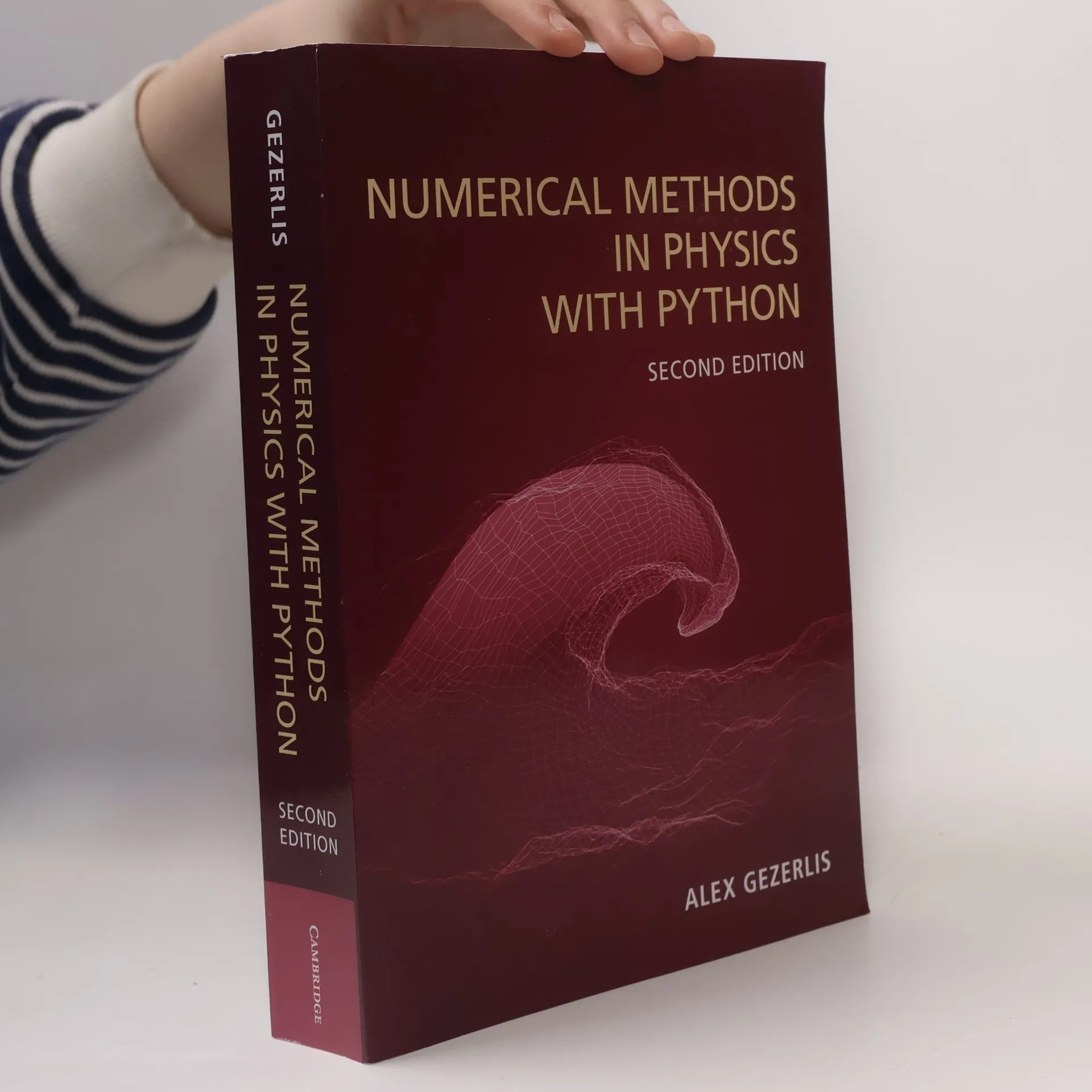
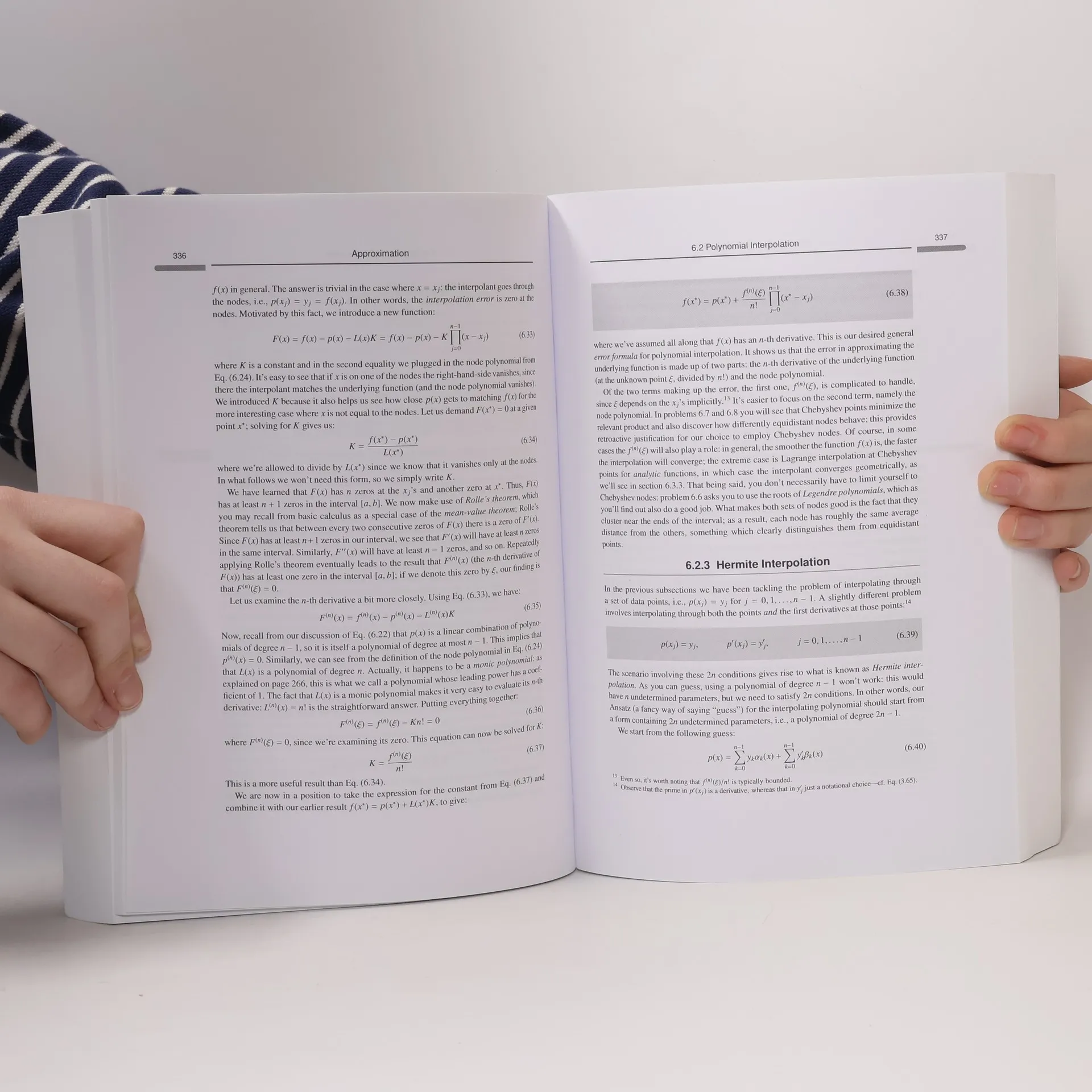
Bringing together idiomatic Python programming, foundational numerical methods, and physics applications, this is an ideal standalone textbook for courses on computational physics. All the frequently used numerical methods in physics are explained, including foundational techniques and hidden gems on topics such as linear algebra, differential equations, root-finding, interpolation, and integration. The second edition of this introductory book features several new codes and 140 new problems (many on physics applications), as well as new sections on the singular-value decomposition, derivative-free optimization, Bayesian linear regression, neural networks, and partial differential equations. The last section in each chapter is an in-depth project, tackling physics problems that cannot be solved without the use of a computer. Written primarily for students studying computational physics, this textbook brings the non-specialist quickly up to speed with Python before looking in detail at the numerical methods often used in the subject.
Nákup knihy
Numerical Methods in Physics with Python, Alex Gezerlis
- Jazyk

- Rok vydání
- 2023
- Vazba
- (měkká)
Nikdo zatím neohodnotil.
- Titul
- Numerical Methods in Physics with Python
- Podtitul
- Second Edition
- Jazyk
- anglicky
- Autoři
- Alex Gezerlis
- Vydavatel
- Cambridge University Press
- Rok vydání
- 2023
- Vazba
- měkká
- Počet stran
- 706
- ISBN10
- 1009303864
- ISBN13
- 9781009303866
- Série
- Kategorie
- Štítky
- Přírodní vědy, Věda, Učebnice fyziky, Zpracování dat
- Anotace
- Bringing together idiomatic Python programming, foundational numerical methods, and physics applications, this is an ideal standalone textbook for courses on computational physics. All the frequently used numerical methods in physics are explained, including foundational techniques and hidden gems on topics such as linear algebra, differential equations, root-finding, interpolation, and integration. The second edition of this introductory book features several new codes and 140 new problems (many on physics applications), as well as new sections on the singular-value decomposition, derivative-free optimization, Bayesian linear regression, neural networks, and partial differential equations. The last section in each chapter is an in-depth project, tackling physics problems that cannot be solved without the use of a computer. Written primarily for students studying computational physics, this textbook brings the non-specialist quickly up to speed with Python before looking in detail at the numerical methods often used in the subject.