

Parametry
- 168 stránek
- 6 hodin čtení
Více o knize
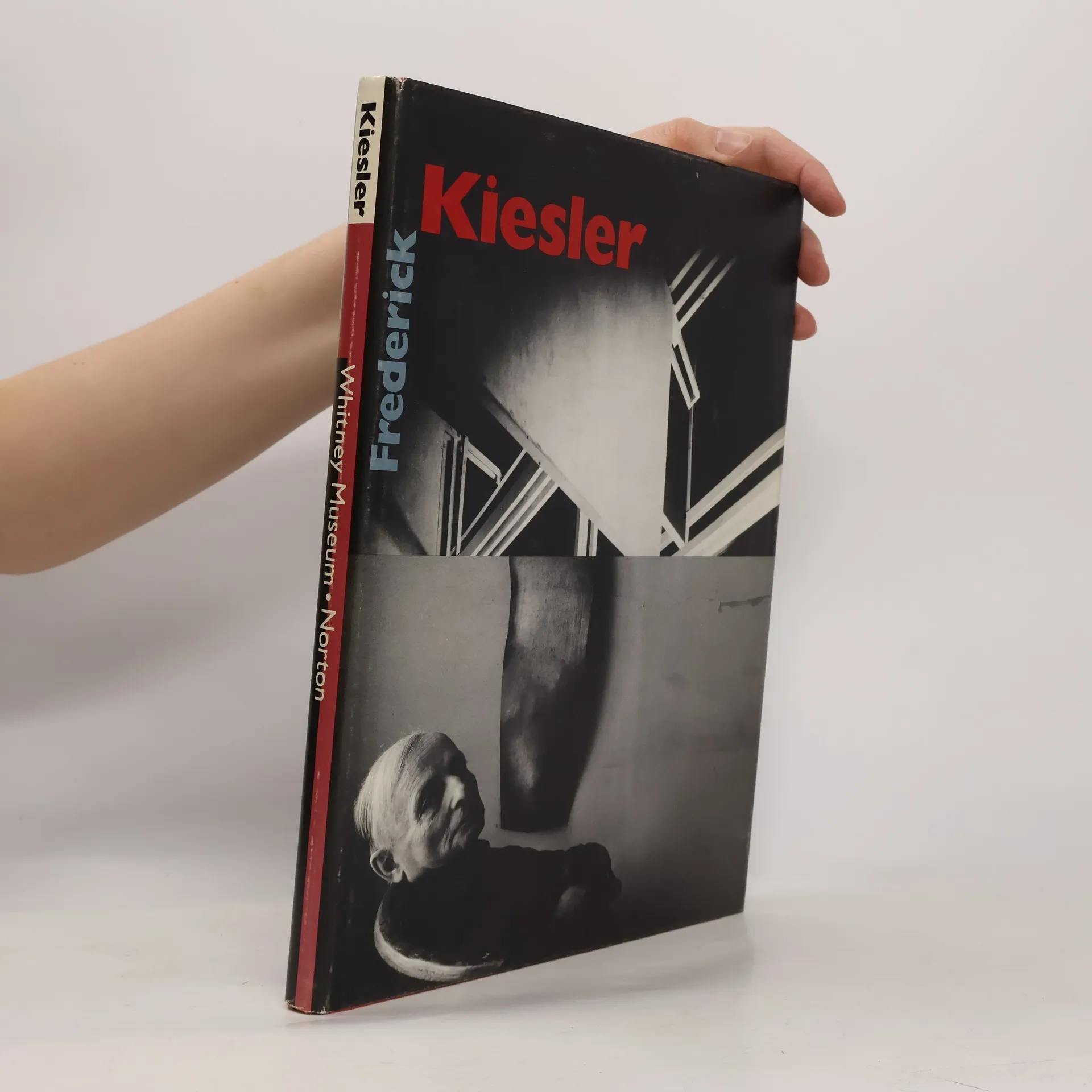
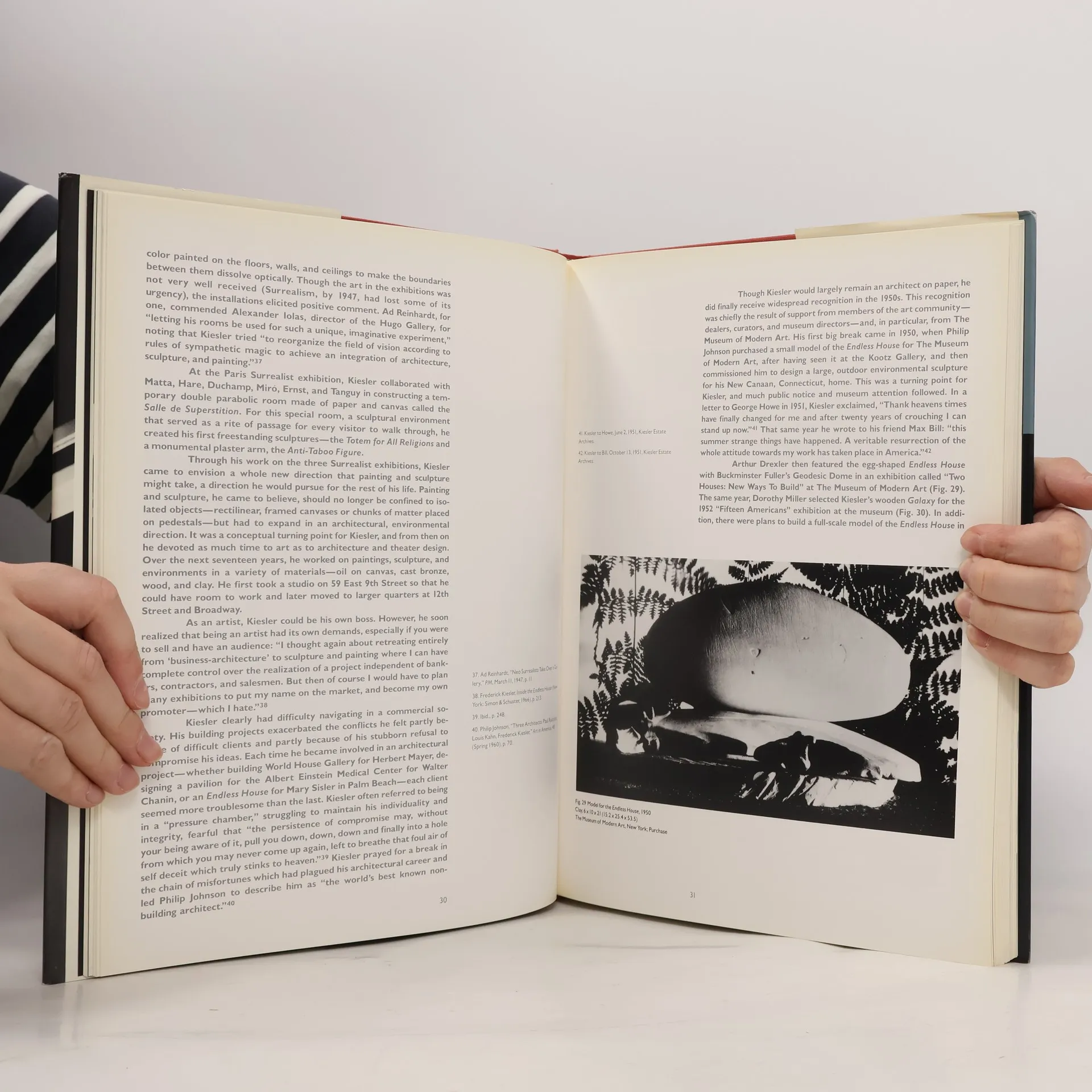
Frederick Kiesler is primarily known for his work as an architect and stage designer, while less is known about his work in industrial design and his influential role in modern art movements. Kiesler started the experimental Design Laboratory at Columbia University School of Architecture and became director of the Juilliard School of Music, a post he held until 1957. In 1942 Peggy Guggenheim commissioned Kiesler to transform a tailor's shop into the Art of This Century Gallery. The result was the legendary, fantastic surrealist environment with curved walls and unusual mounted devices such as baseball bats. During the 1950s Kiesler devoted a great deal of time to sculpture and painting that anticipated conceptual and environmental art. This volume examines Kiesler's work and theory and defines its importance within the broader context of 20th century art and the dissolving boundaries between media.
Nákup knihy
Frederick Kiesler, Lisa Phillips
- Jazyk

- Rok vydání
- 1989
- Vazba
- (pevná)
Nikdo zatím neohodnotil.
- Titul
- Frederick Kiesler
- Jazyk
- anglicky
- Autoři
- Lisa Phillips
- Vydavatel
- Whitney Museum of Art
- Rok vydání
- 1989
- Vazba
- pevná
- Počet stran
- 168
- ISBN10
- 0874270634
- ISBN13
- 9780874270631
- Série
- Kategorie
- Štítky
- Architektura, Umělci, Moderní umění, Surrealismus
- Anotace
- Frederick Kiesler is primarily known for his work as an architect and stage designer, while less is known about his work in industrial design and his influential role in modern art movements. Kiesler started the experimental Design Laboratory at Columbia University School of Architecture and became director of the Juilliard School of Music, a post he held until 1957. In 1942 Peggy Guggenheim commissioned Kiesler to transform a tailor's shop into the Art of This Century Gallery. The result was the legendary, fantastic surrealist environment with curved walls and unusual mounted devices such as baseball bats. During the 1950s Kiesler devoted a great deal of time to sculpture and painting that anticipated conceptual and environmental art. This volume examines Kiesler's work and theory and defines its importance within the broader context of 20th century art and the dissolving boundaries between media.