

Více o knize
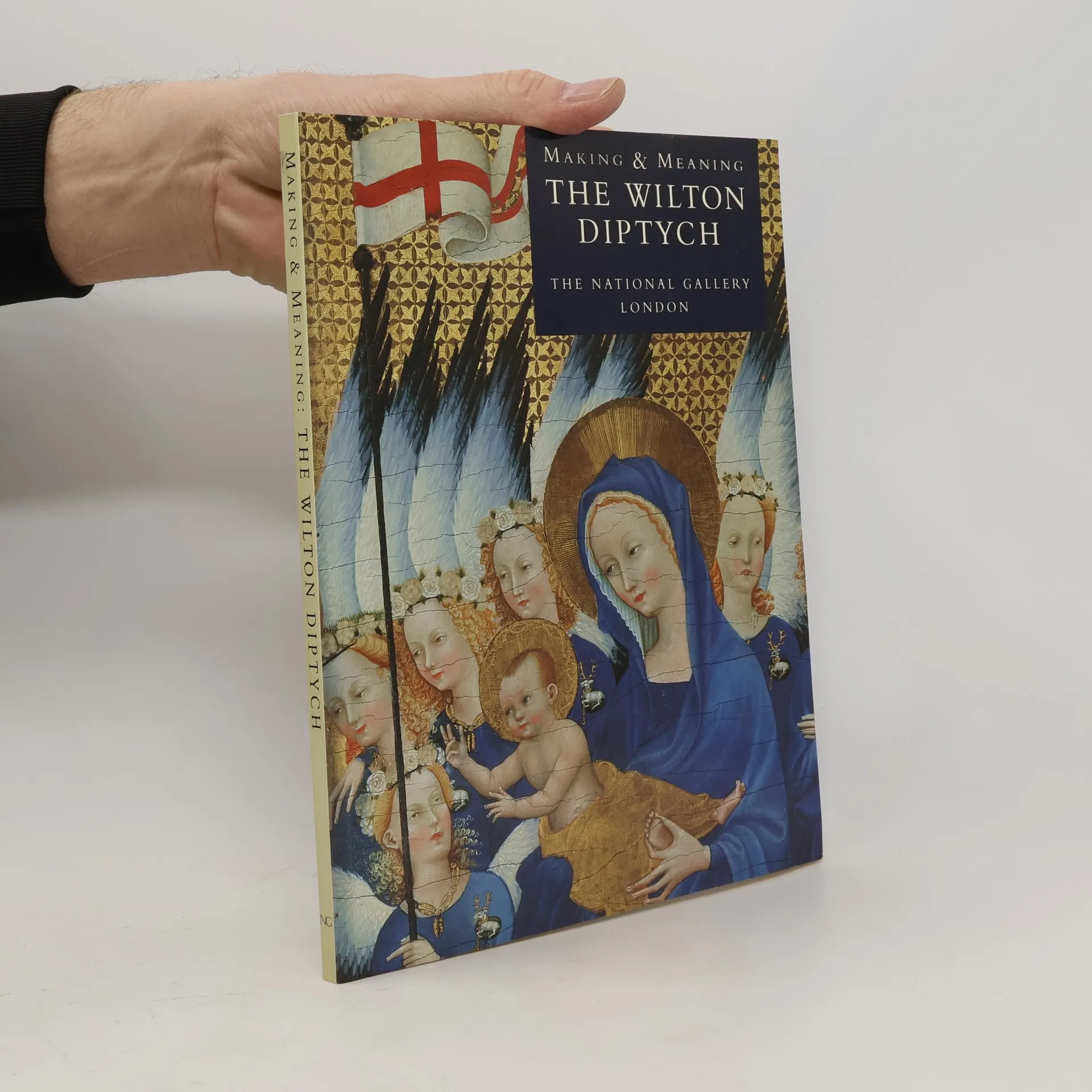
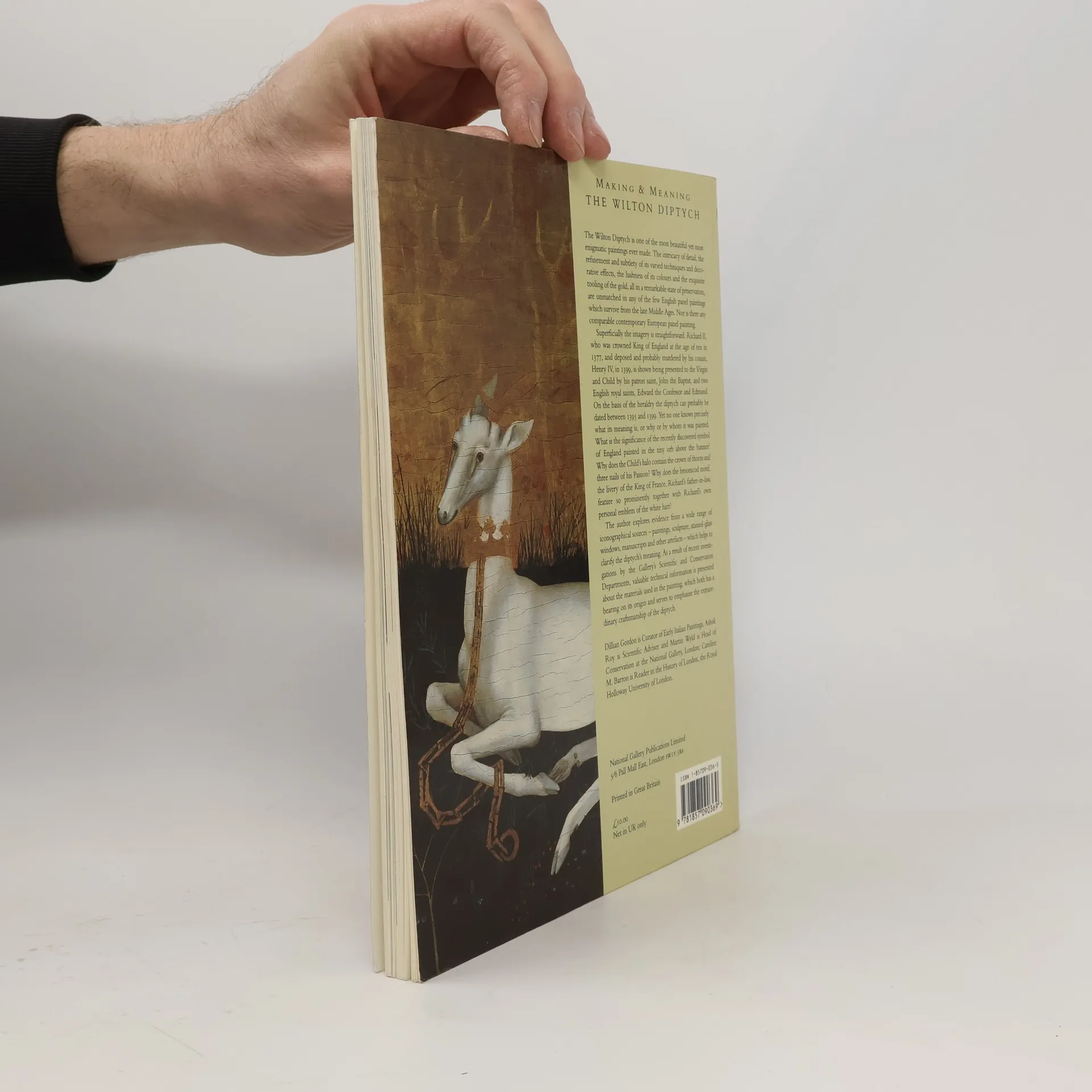
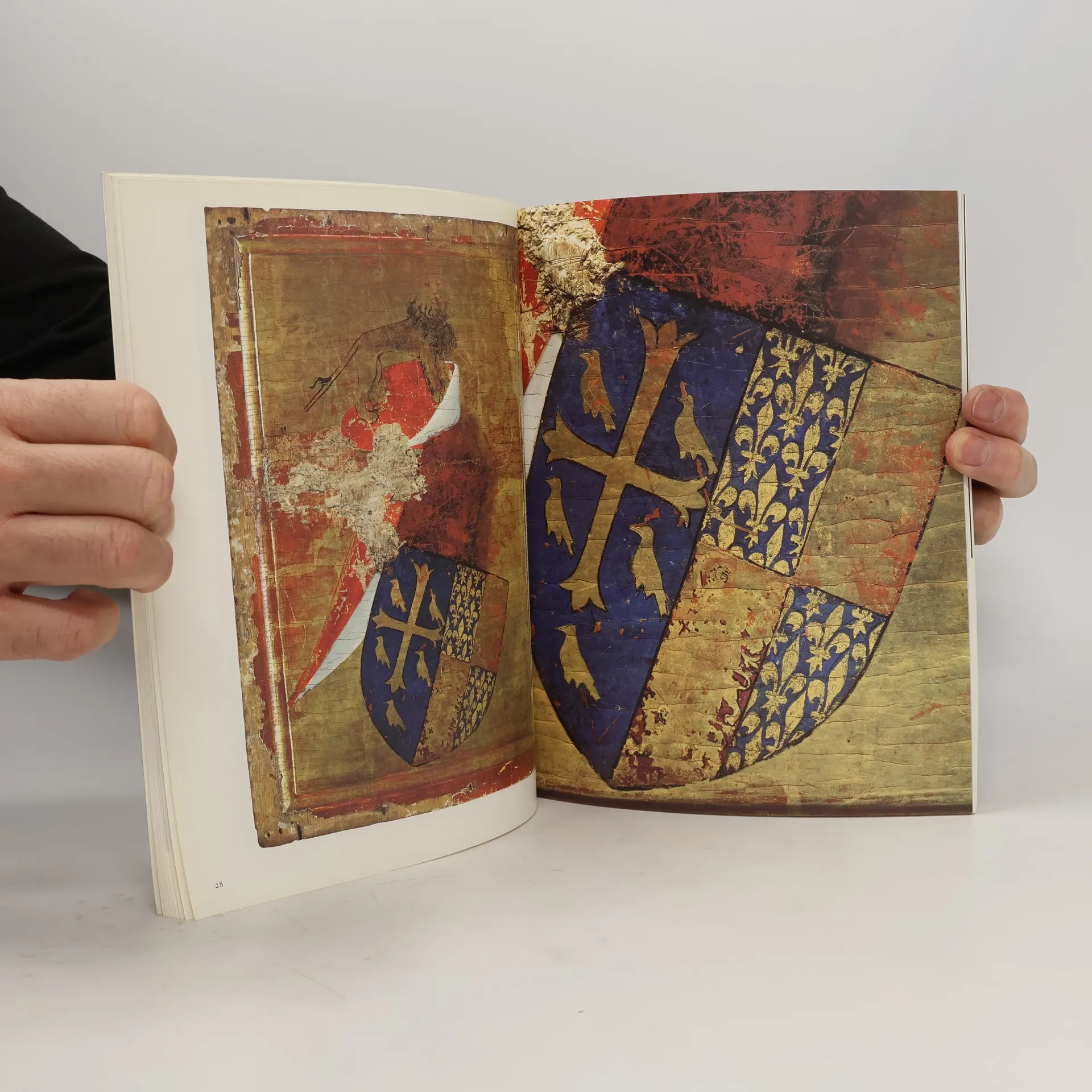
The Wilton Diptych is a comprehensive account of one of England’s greatest surviving medieval treasures, now in the collection of The National Gallery, London. The painting depicts King Richard II (1367–1400) being presented to the Virgin Mary and Christ by John the Baptist and two English Kings, revered as saints. The brilliant color and lavish use of gold give it the appearance of a luxury object, yet its primary function was religious, as an altarpiece for the king’s private devotions. The author analyzes the iconography, historical context, style, materials, and techniques used to create this precious work, and discusses the likely identity of the artist and the possible evidence that this picture was known to and referenced by William Shakespeare in his play Richard II. Further study of the intricate detail, varied techniques, and decorative effects shows connections to French metalwork and manuscript illumination, while newly commissioned photography reveals exquisite details unseen by the naked eye.
Nákup knihy
Making & Meaning: The Wilton Diptych, Dillian Gordon
- Jazyk

- Rok vydání
- 1993
- Vazba
- (měkká)
Doručení
Platební metody
Tady nám chybí tvá recenze.
- Titul
- Making & Meaning: The Wilton Diptych
- Jazyk
- anglicky
- Autoři
- Dillian Gordon
- Vydavatel
- National Gallery
- Rok vydání
- 1993
- Vazba
- měkká
- Počet stran
- 96
- ISBN10
- 1857090365
- ISBN13
- 9781857090369
- Série
- Hodnocení
- 4 z 5
- Anotace
- The Wilton Diptych is a comprehensive account of one of England’s greatest surviving medieval treasures, now in the collection of The National Gallery, London. The painting depicts King Richard II (1367–1400) being presented to the Virgin Mary and Christ by John the Baptist and two English Kings, revered as saints. The brilliant color and lavish use of gold give it the appearance of a luxury object, yet its primary function was religious, as an altarpiece for the king’s private devotions. The author analyzes the iconography, historical context, style, materials, and techniques used to create this precious work, and discusses the likely identity of the artist and the possible evidence that this picture was known to and referenced by William Shakespeare in his play Richard II. Further study of the intricate detail, varied techniques, and decorative effects shows connections to French metalwork and manuscript illumination, while newly commissioned photography reveals exquisite details unseen by the naked eye.