

Více o knize
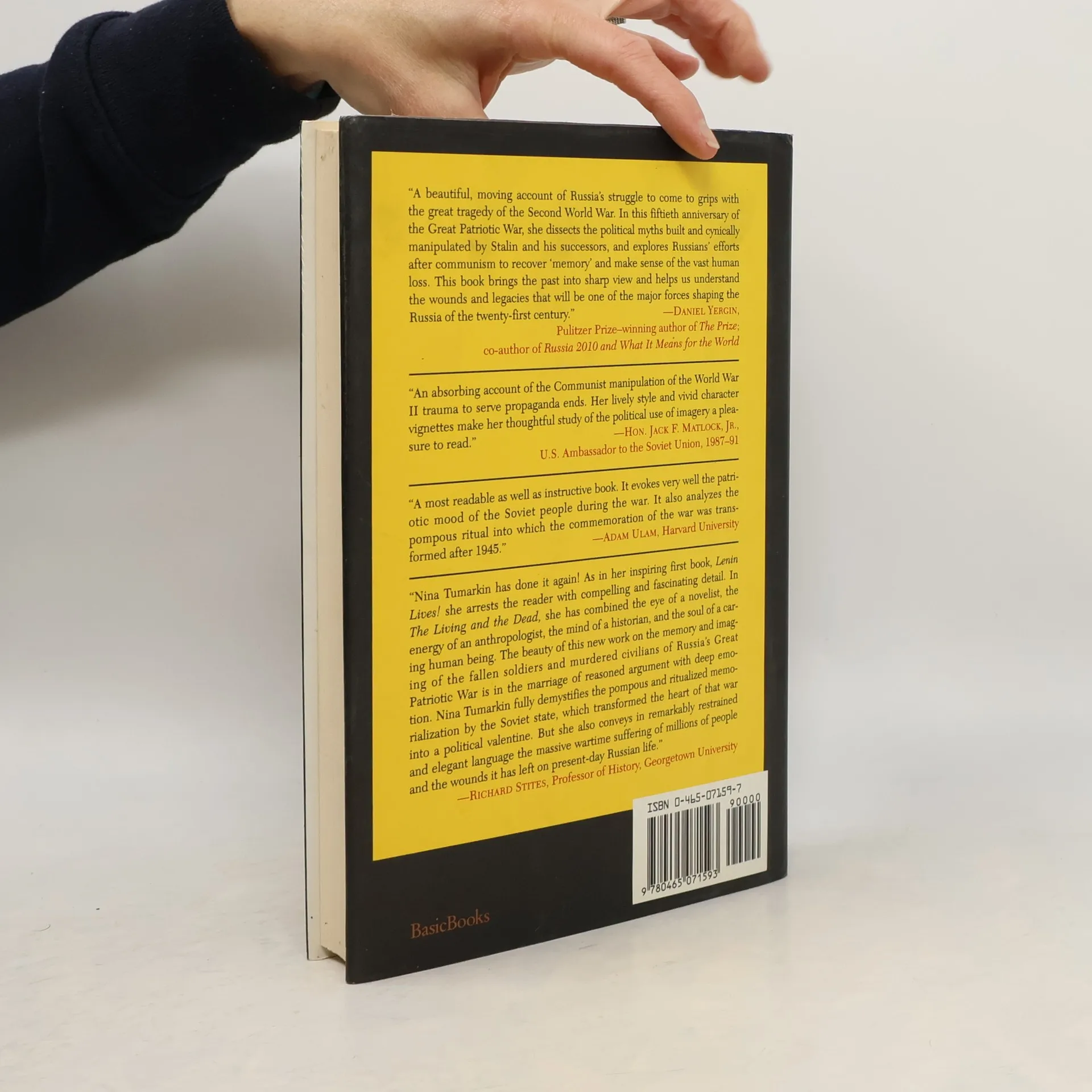
World War II claimed around thirty million Soviet lives, profoundly impacting survivors and their descendants. This narrative explores the complex memory of the war in the Soviet Union and Russia, illustrating how state authorities transformed a national trauma into a glorified narrative that celebrated the Communist party while obscuring the Stalinist regime's grave errors and atrocities. Beginning with Germany's "Operation Barbarossa" in 1941, the author examines how Stalin initially framed the war as a heroic and messianic struggle, only to later downplay this myth due to the emergence of too many popular heroes and personal stories. The cult of heroism peaked under Brezhnev, but the latter half of the account details its decline post-1990, reflecting the varied public reactions to the dissolution of the Soviet Union. The author engaged in extensive research, including interactions with veterans and unearthing the remains of Soviet soldiers who were never properly buried. Through personal anecdotes and reflections from her Russian émigré family, the narrative offers a fresh approach to history that emphasizes personal engagement. Ultimately, it sheds light on contemporary Russia's fixation with its past and suggests potential future trajectories for the nation.
Nákup knihy
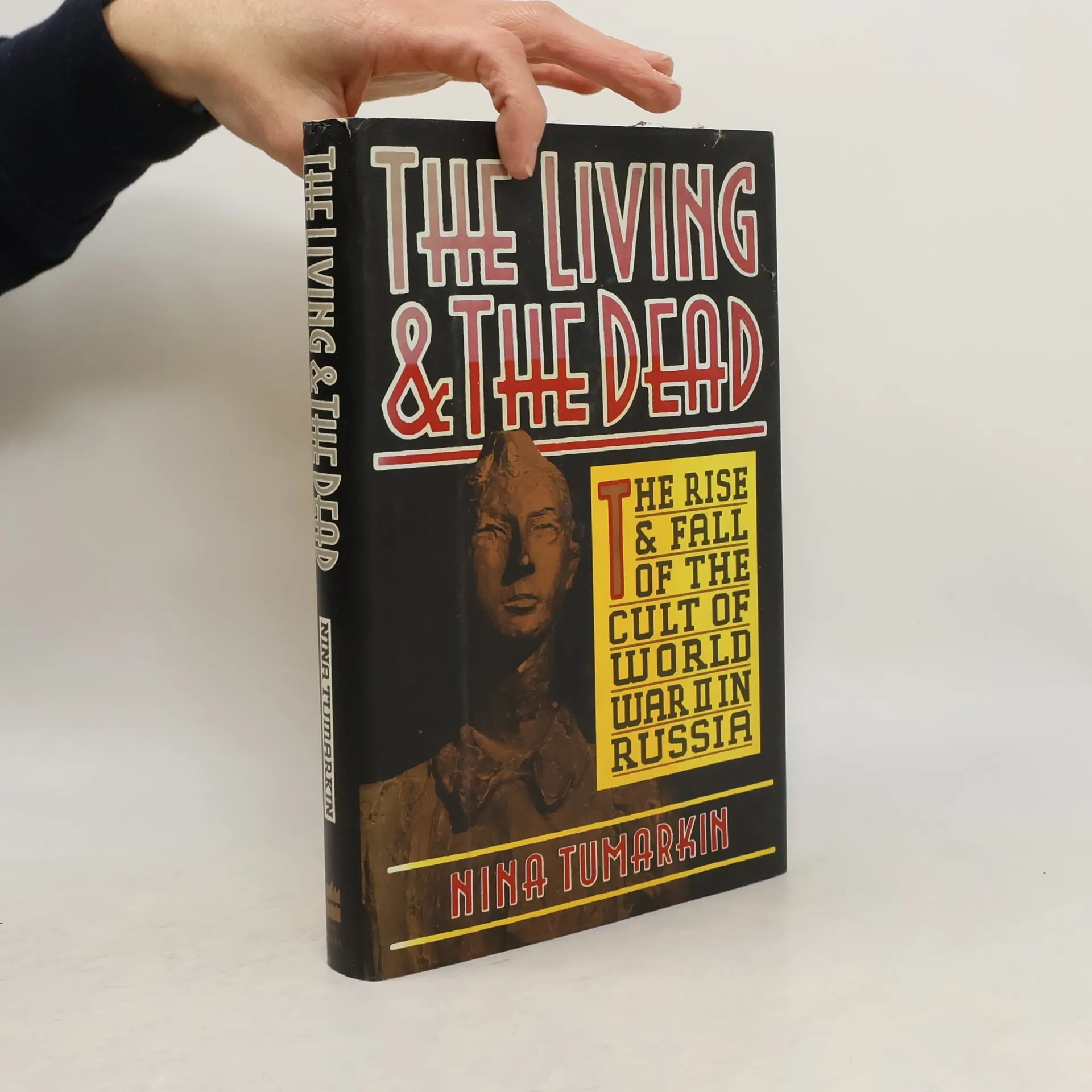
The Living and the Dead, Nina Tumarkin
- Jazyk

- Rok vydání
- 1994
- Vazba
- (pevná)
Tady nám chybí tvá recenze.
- Titul
- The Living and the Dead
- Podtitul
- The Rise and Fall of the Cult of World War II in Russia
- Jazyk
- anglicky
- Autoři
- Nina Tumarkin
- Vydavatel
- Basic Books
- Rok vydání
- 1994
- Vazba
- pevná
- Počet stran
- 256
- ISBN10
- 0465071597
- ISBN13
- 9780465071593
- Série
- Kategorie
- Hodnocení
- 3,5 z 5
- Anotace
- World War II claimed around thirty million Soviet lives, profoundly impacting survivors and their descendants. This narrative explores the complex memory of the war in the Soviet Union and Russia, illustrating how state authorities transformed a national trauma into a glorified narrative that celebrated the Communist party while obscuring the Stalinist regime's grave errors and atrocities. Beginning with Germany's "Operation Barbarossa" in 1941, the author examines how Stalin initially framed the war as a heroic and messianic struggle, only to later downplay this myth due to the emergence of too many popular heroes and personal stories. The cult of heroism peaked under Brezhnev, but the latter half of the account details its decline post-1990, reflecting the varied public reactions to the dissolution of the Soviet Union. The author engaged in extensive research, including interactions with veterans and unearthing the remains of Soviet soldiers who were never properly buried. Through personal anecdotes and reflections from her Russian émigré family, the narrative offers a fresh approach to history that emphasizes personal engagement. Ultimately, it sheds light on contemporary Russia's fixation with its past and suggests potential future trajectories for the nation.