

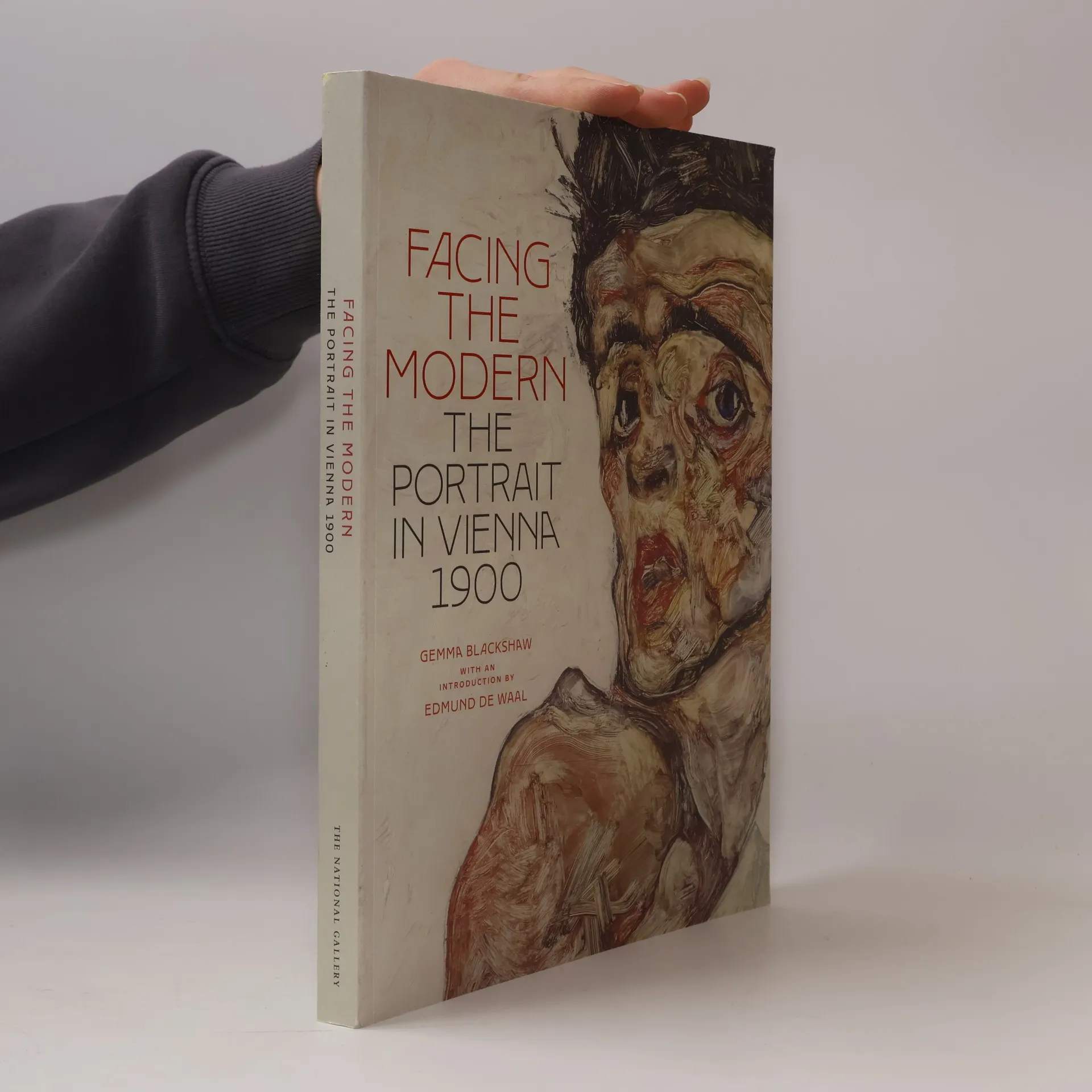
Facing the Modern
The Portrait in Vienna 1900
Hodnocení knihy
Více o knize
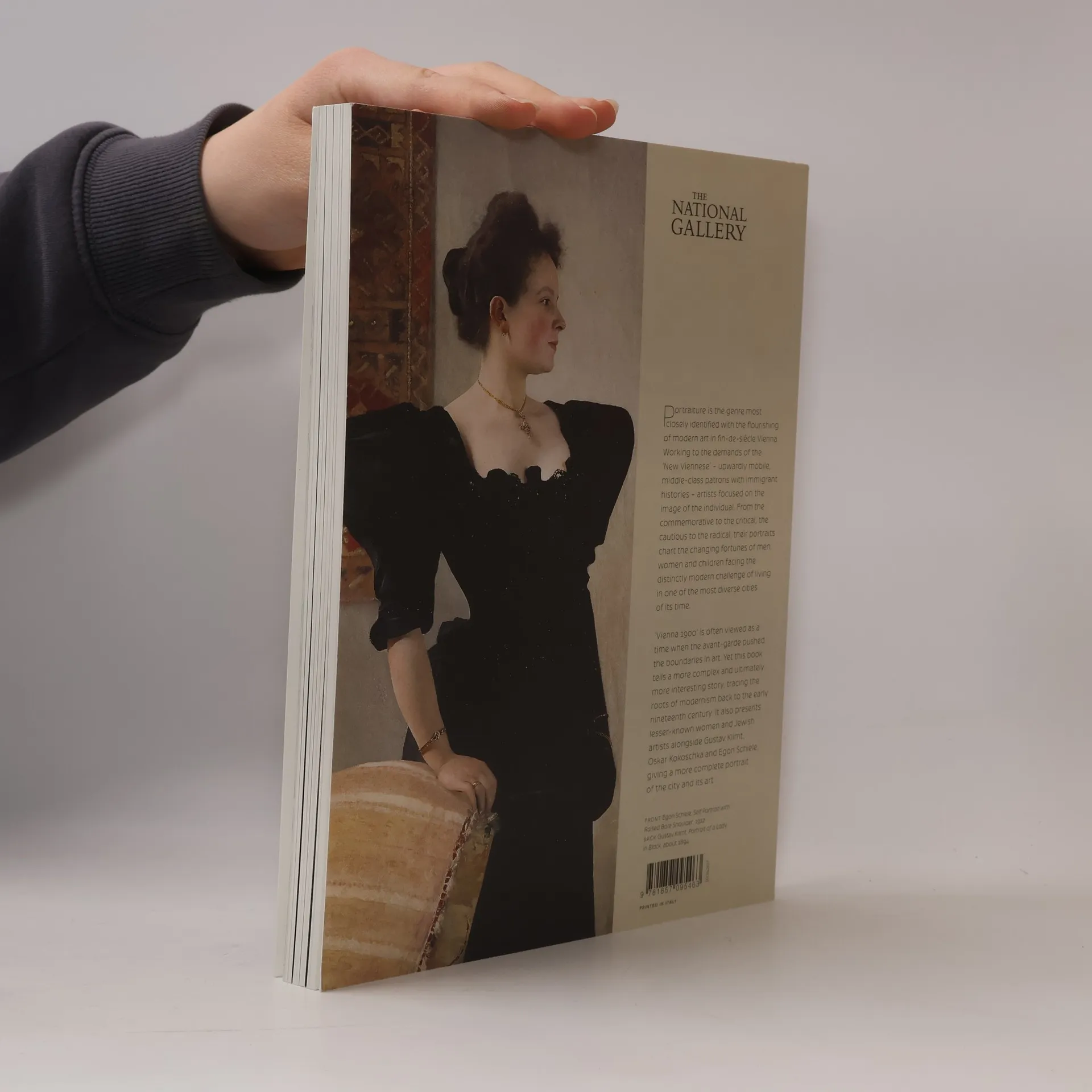
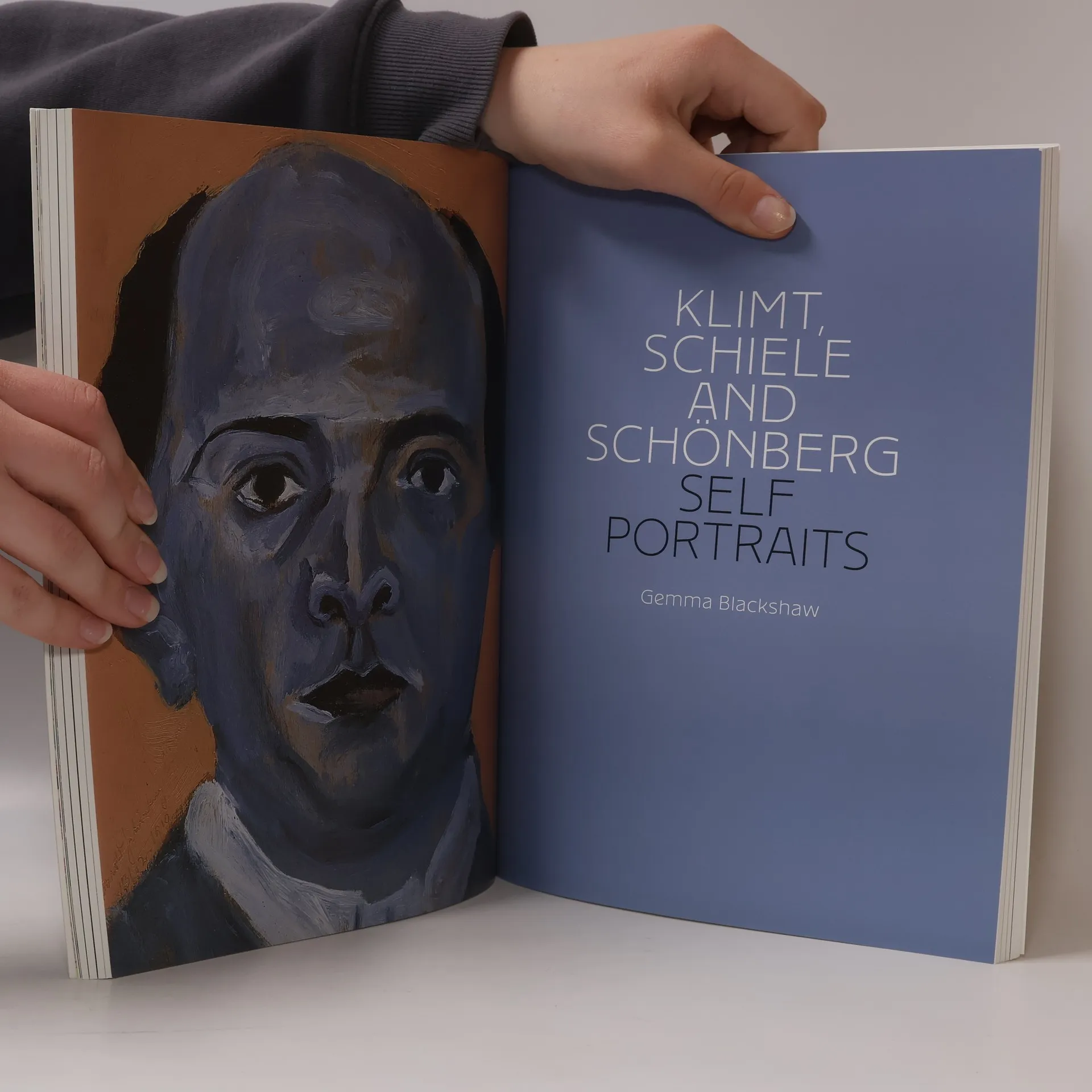
During the great flourishing of modern art in fin-de-siècle Vienna, artists of that city focused on images of individuals. Their portraits depict artists, patrons, families, friends, intellectual allies, and society celebrities from the upwardly mobile middle classes. Viewed as a whole, the images allow us to reconstruct the subjects’ shifting identities as the Austro-Hungarian Empire underwent dramatic political changes, from the 1867 Ausgleich (Compromise) to the end of World War I. This is viewed as a time when the avant-garde overthrew the academy, yet Facing the Modern tells a more complex story of the time through thought-provoking texts by numerous leading art historians. Their writings examine paintings by innovative artists such as Gustav Klimt, Oskar Kokoschka, and Egon Schiele alongside earlier works, blurring the conventionally-held distinctions between 19th-century and early-20th-century art, and revealing surprising continuities in the production and consumption of portraits. This compelling book features works not only by famous names but also by lesser-known female and Jewish artists, giving a more complete picture of the time.
Nákup knihy
Facing the Modern, Edmund De Waal, Gemma Blackshaw, Tag Gronberg
- Jazyk

- Rok vydání
- 2013
- Vazba
- (měkká)
Doručení
Platební metody
Tady nám chybí tvá recenze.
- Titul
- Facing the Modern
- Podtitul
- The Portrait in Vienna 1900
- Jazyk
- anglicky
- Vydavatel
- National Gallery
- Rok vydání
- 2013
- Vazba
- měkká
- Počet stran
- 215
- ISBN10
- 1857095464
- ISBN13
- 9781857095463
- Série
- Štítky
- Umění, Historie umění
- Hodnocení
- 4 z 5
- Anotace
- During the great flourishing of modern art in fin-de-siècle Vienna, artists of that city focused on images of individuals. Their portraits depict artists, patrons, families, friends, intellectual allies, and society celebrities from the upwardly mobile middle classes. Viewed as a whole, the images allow us to reconstruct the subjects’ shifting identities as the Austro-Hungarian Empire underwent dramatic political changes, from the 1867 Ausgleich (Compromise) to the end of World War I. This is viewed as a time when the avant-garde overthrew the academy, yet Facing the Modern tells a more complex story of the time through thought-provoking texts by numerous leading art historians. Their writings examine paintings by innovative artists such as Gustav Klimt, Oskar Kokoschka, and Egon Schiele alongside earlier works, blurring the conventionally-held distinctions between 19th-century and early-20th-century art, and revealing surprising continuities in the production and consumption of portraits. This compelling book features works not only by famous names but also by lesser-known female and Jewish artists, giving a more complete picture of the time.