

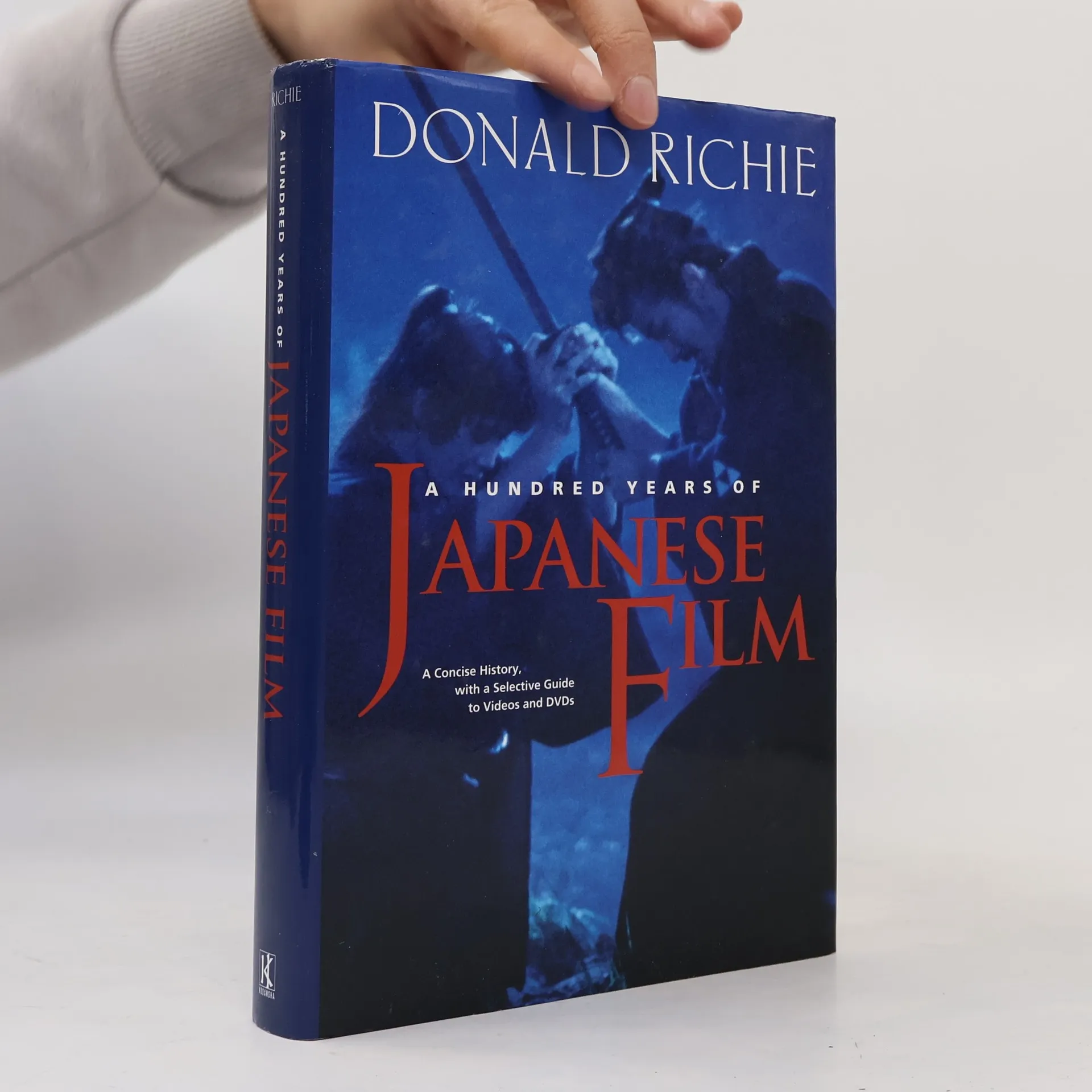


A Hundred Years of Japanese Film
A Concise History
Hodnocení knihy
Více o knize
In A Hundred Years of Japanese Films , Richie offers an insider's look at the achievements of Japanese filmmakers. He begins in the late 1800s, when the industry took its inspiration from the traditional stories of Kabuki and Noh theater, and finishes in the present with the latest award-winning dramas showcased at Cannes. In between, Richie explores the roots of Japan's contribution to world cinema. He discusses the careers of Japan's rising stars and celebrated directors, and also offers a fascinating view of the strategies and politics of the movie studios themselves. A selective guide in the book's second part provides capsule reviews of the major Japanese films available in VHS and DVD formats, as well as those televised on standard and cable channels.
Nákup knihy
A Hundred Years of Japanese Film, Donald Richie, Paul Schrader
- Jazyk

- Rok vydání
- 2001
- Vazba
- (pevná)
Doručení
Platební metody
Tady nám chybí tvá recenze.
- Titul
- A Hundred Years of Japanese Film
- Podtitul
- A Concise History
- Jazyk
- anglicky
- Autoři
- Donald Richie, Paul Schrader
- Vydavatel
- Kodansha USA
- Rok vydání
- 2001
- Vazba
- pevná
- Počet stran
- 311
- ISBN10
- 477002682X
- ISBN13
- 9784770026828
- Série
- Kategorie
- Štítky
- Historické téma, Příručky a návody, Filmová tématika, Japonsko, Japonská literatura, Podle filmu/seriálu, Performativní umění
- Hodnocení
- 3,95 z 5
- Anotace
- In A Hundred Years of Japanese Films , Richie offers an insider's look at the achievements of Japanese filmmakers. He begins in the late 1800s, when the industry took its inspiration from the traditional stories of Kabuki and Noh theater, and finishes in the present with the latest award-winning dramas showcased at Cannes. In between, Richie explores the roots of Japan's contribution to world cinema. He discusses the careers of Japan's rising stars and celebrated directors, and also offers a fascinating view of the strategies and politics of the movie studios themselves. A selective guide in the book's second part provides capsule reviews of the major Japanese films available in VHS and DVD formats, as well as those televised on standard and cable channels.