

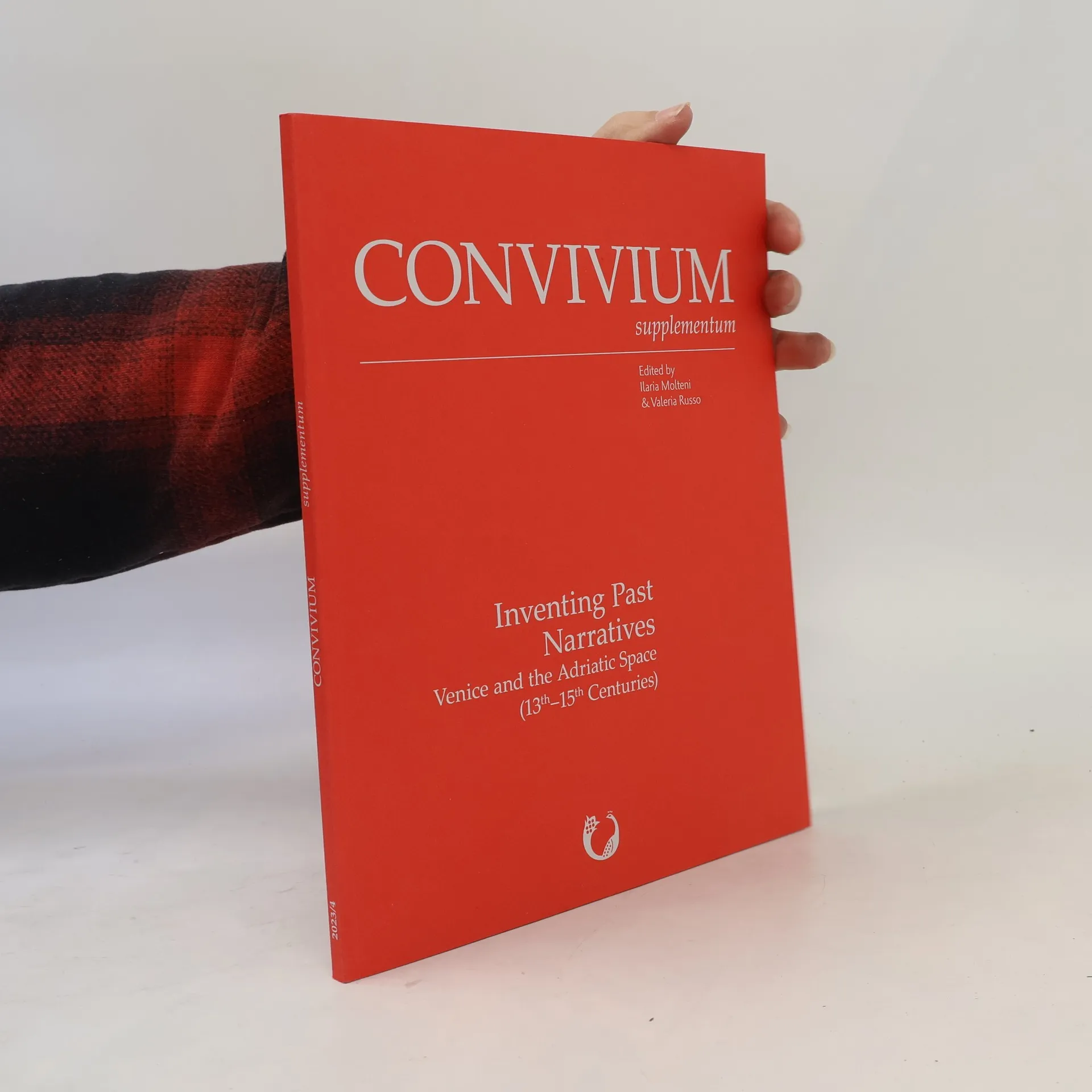
Convivium - 2023/4: Inventing Past Narratives
Venice and the Adriatic Space 13th-15th Centuries
Více o knize
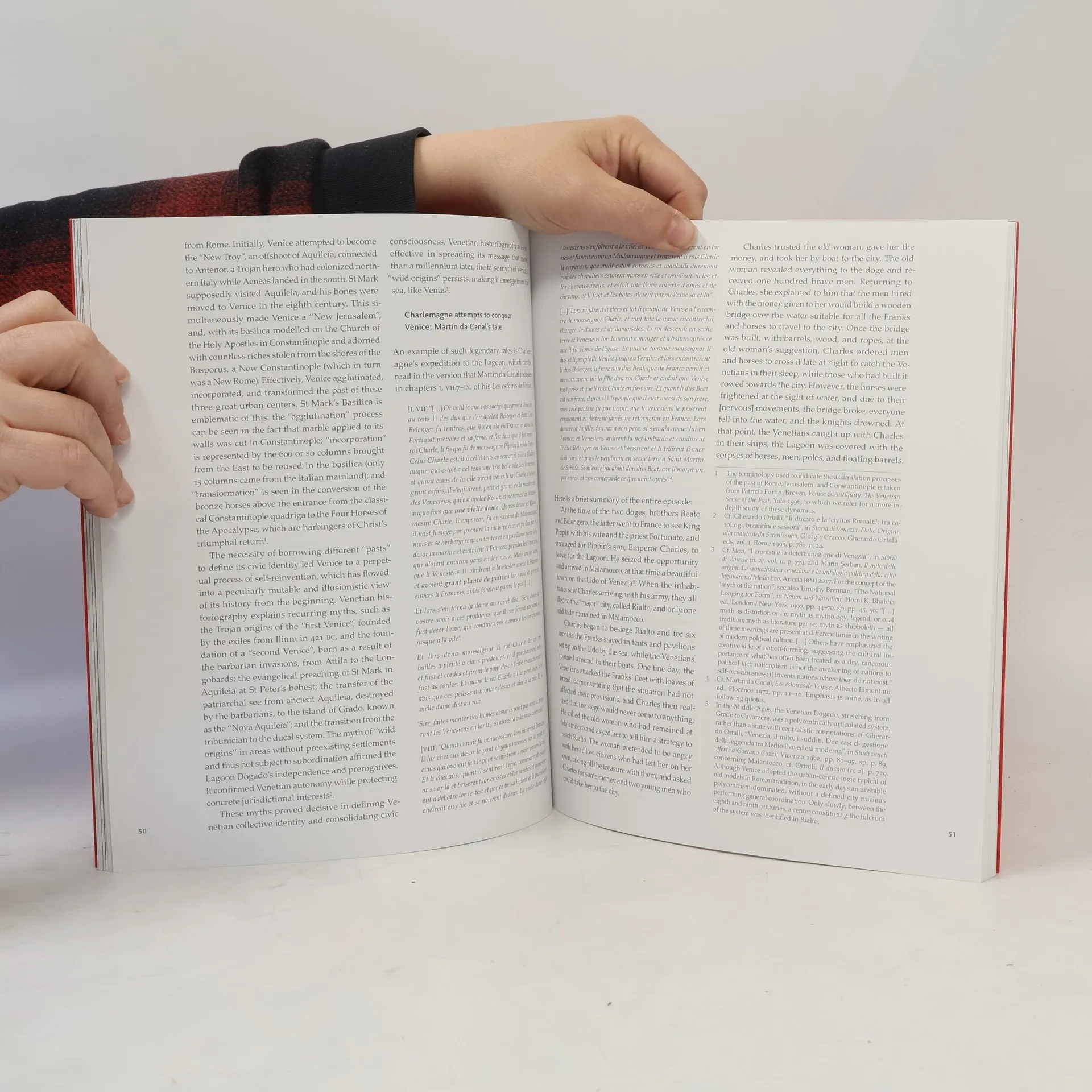
By the late Middle Ages, Venice became the main stage of a national and international myth: while enhancing its historical role in the past, the city tried to demonstrate the legitimacy of its role in the present. In fact, for celebrating its triumph and erasing its weaknesses and defeats, Venice generated a rich repertoire of past narratives that were bringing together heterogeneous materials, by composing unconnected pieces and attributing new meanings to different histories or objects from other pasts. An ambitious goal had to be achieved: that of creating the impression of a unique and grandiose city whose roots were lost in a remote and magnificent past. The result is a patchwork that, through the longue duree approach, has been articulated around both new and ancient stories, local and foreign myths, reconstructed or rediscovered objects and narratives. In order to investigate more precisely the trajectories of the Venetian past narratives, this volume intends to determine, through an interdisciplinary prism, which are the different strategies, objectives, and resources that have been exploited in the framework of these past narratives.
Nákup knihy
Convivium - 2023/4: Inventing Past Narratives, Ilaria Molteni, Valeria Russo
- Jazyk

- Rok vydání
- 2023
- Vazba
- (měkká)
Doručení
Platební metody
Nikdo zatím neohodnotil.
- Titul
- Convivium - 2023/4: Inventing Past Narratives
- Podtitul
- Venice and the Adriatic Space 13th-15th Centuries
- Jazyk
- anglicky
- Autoři
- Ilaria Molteni, Valeria Russo
- Vydavatel
- Brepols Publishers
- Rok vydání
- 2023
- Vazba
- měkká
- Počet stran
- 105
- ISBN10
- 8028004644
- ISBN13
- 9788028004644
- Série
- Anotace
- By the late Middle Ages, Venice became the main stage of a national and international myth: while enhancing its historical role in the past, the city tried to demonstrate the legitimacy of its role in the present. In fact, for celebrating its triumph and erasing its weaknesses and defeats, Venice generated a rich repertoire of past narratives that were bringing together heterogeneous materials, by composing unconnected pieces and attributing new meanings to different histories or objects from other pasts. An ambitious goal had to be achieved: that of creating the impression of a unique and grandiose city whose roots were lost in a remote and magnificent past. The result is a patchwork that, through the longue duree approach, has been articulated around both new and ancient stories, local and foreign myths, reconstructed or rediscovered objects and narratives. In order to investigate more precisely the trajectories of the Venetian past narratives, this volume intends to determine, through an interdisciplinary prism, which are the different strategies, objectives, and resources that have been exploited in the framework of these past narratives.