


Feminism and Its Discontents
A Century of Struggle with Psychoanalysis
Autoři
Hodnocení knihy
Více o knize
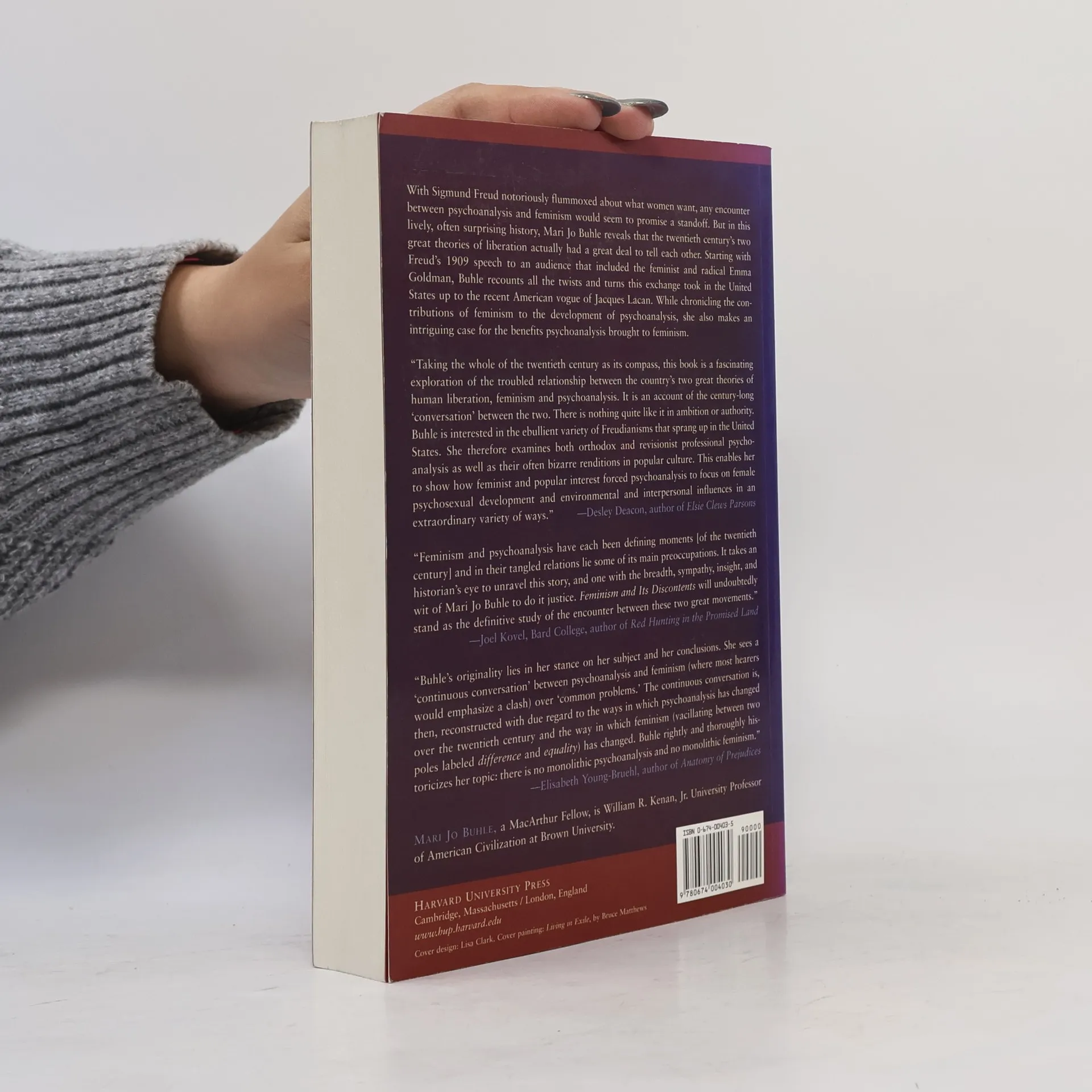
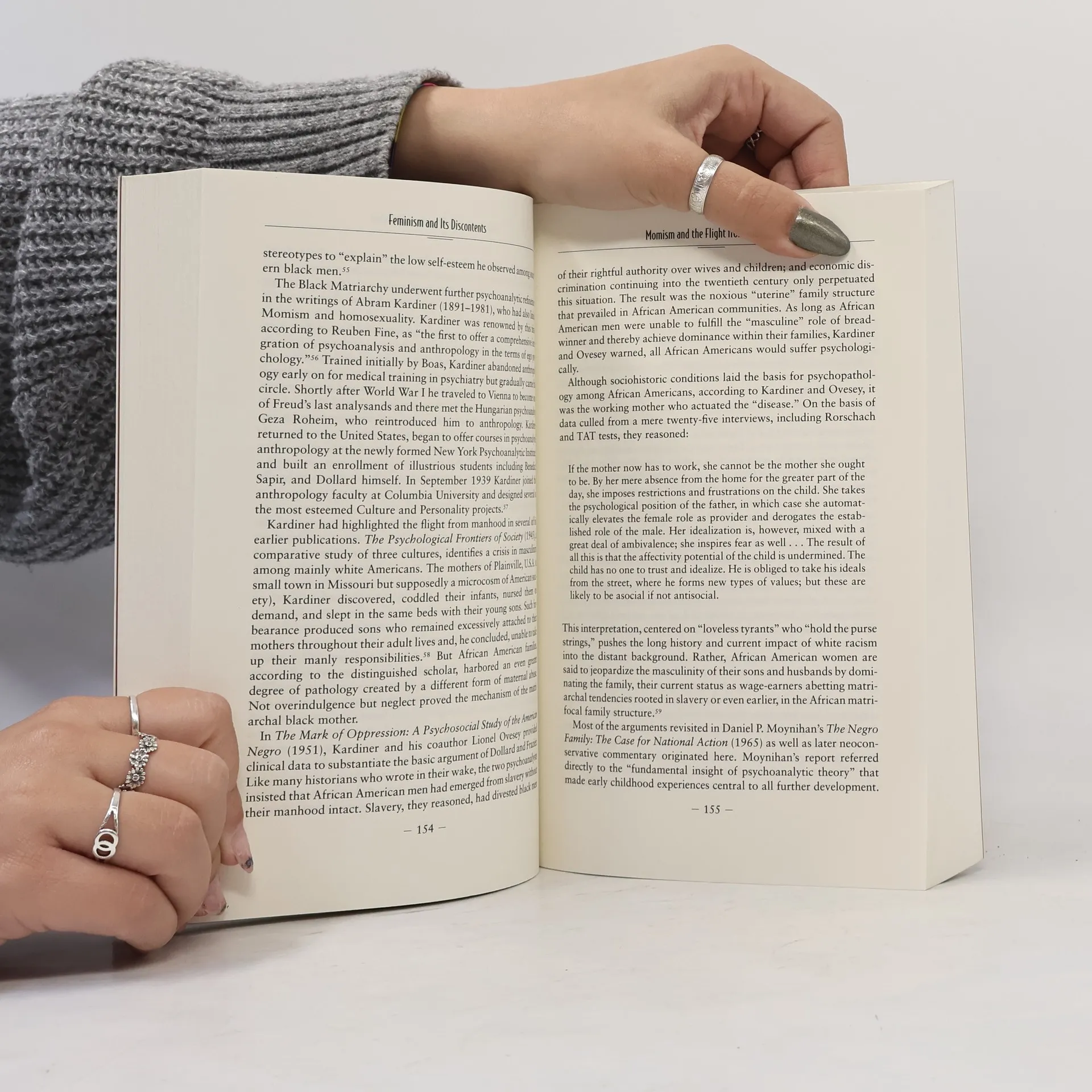
With Sigmund Freud perplexed by women's desires, the intersection of psychoanalysis and feminism initially appears contentious. However, Mari Jo Buhle presents a compelling history that reveals the significant dialogue between these two liberation theories throughout the twentieth century. Beginning with Freud's 1909 address to an audience that included feminist Emma Goldman, Buhle traces the evolution of this exchange in the U.S. up to the contemporary influence of Jacques Lacan. She highlights how feminism contributed to psychoanalysis while also illustrating the benefits psychoanalysis offered to feminism. American psychoanalysis became a domain for diverse intellectuals and popular figures, resulting in a form of public discourse rather than a strictly therapeutic theory. Buhle charts the progression of feminism from its first wave in the 1910s through the second wave in the 1960s and into modern expressions. The convergence of Freud's ideas with feminist movements reveals how psychoanalysis supported the broader social goals of feminism. Nonetheless, the relationship was complex, marked by challenges such as the "Momism" phenomenon of the 1940s and 1950s, where men projected their failures onto women. This engaging history of ideas connects disparate intellectual trends, offering a fresh perspective on both psychoanalysis and feminism.
Nákup knihy
Feminism and Its Discontents, Mari Jo Buhle
- Jazyk

- Rok vydání
- 2000
- Vazba
- (měkká)
Doručení
Platební metody
Tady nám chybí tvá recenze.
- Titul
- Feminism and Its Discontents
- Podtitul
- A Century of Struggle with Psychoanalysis
- Jazyk
- anglicky
- Autoři
- Mari Jo Buhle
- Vydavatel
- Harvard University Press
- Rok vydání
- 2000
- Vazba
- měkká
- Počet stran
- 452
- ISBN10
- 0674004035
- ISBN13
- 9780674004030
- Série
- Štítky
- Psychologická tématika, Ženy, Feminismus
- Hodnocení
- 3,55 z 5
- Anotace
- With Sigmund Freud perplexed by women's desires, the intersection of psychoanalysis and feminism initially appears contentious. However, Mari Jo Buhle presents a compelling history that reveals the significant dialogue between these two liberation theories throughout the twentieth century. Beginning with Freud's 1909 address to an audience that included feminist Emma Goldman, Buhle traces the evolution of this exchange in the U.S. up to the contemporary influence of Jacques Lacan. She highlights how feminism contributed to psychoanalysis while also illustrating the benefits psychoanalysis offered to feminism. American psychoanalysis became a domain for diverse intellectuals and popular figures, resulting in a form of public discourse rather than a strictly therapeutic theory. Buhle charts the progression of feminism from its first wave in the 1910s through the second wave in the 1960s and into modern expressions. The convergence of Freud's ideas with feminist movements reveals how psychoanalysis supported the broader social goals of feminism. Nonetheless, the relationship was complex, marked by challenges such as the "Momism" phenomenon of the 1940s and 1950s, where men projected their failures onto women. This engaging history of ideas connects disparate intellectual trends, offering a fresh perspective on both psychoanalysis and feminism.