

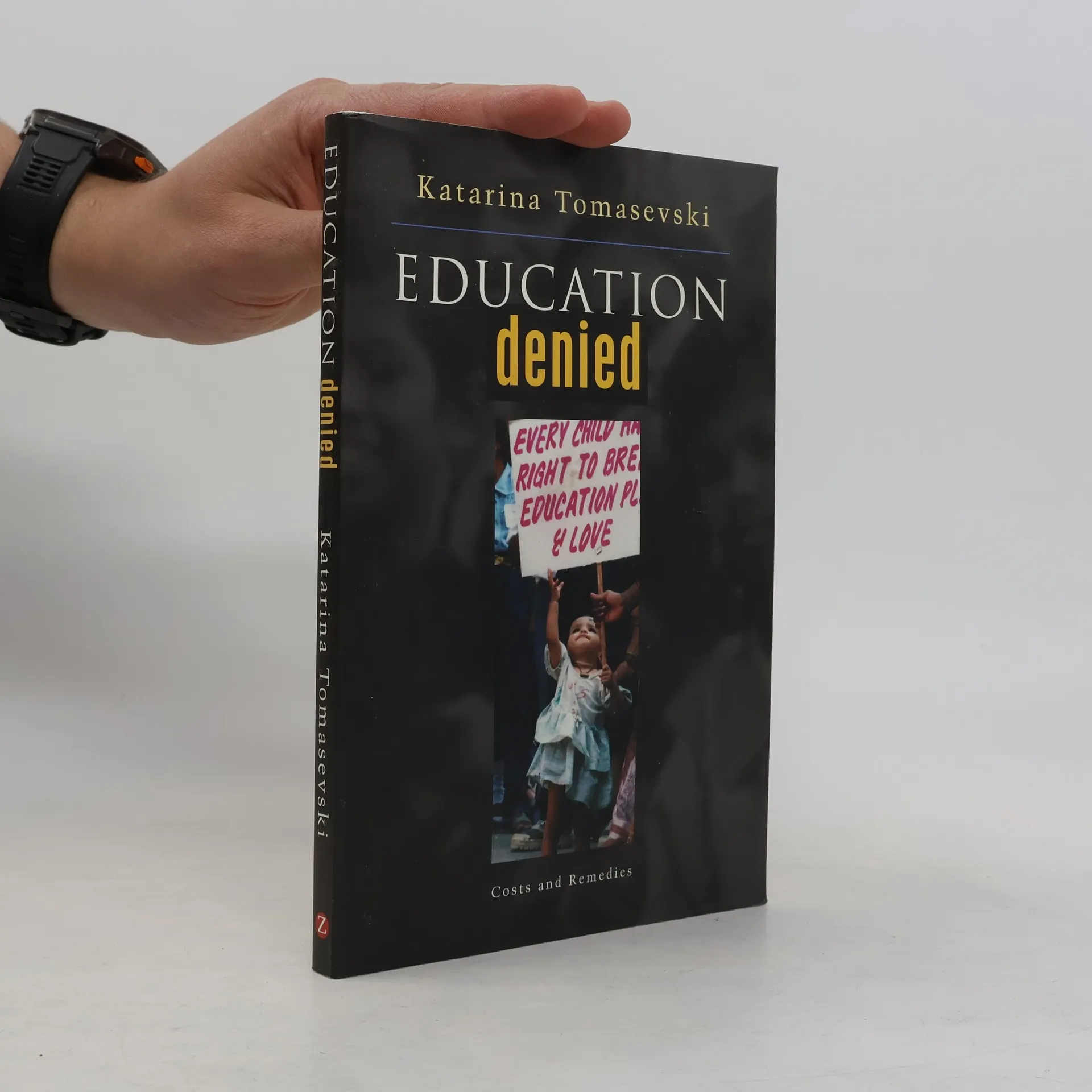
Education Denied
Costs and Remedies
Autoři
Více o knize
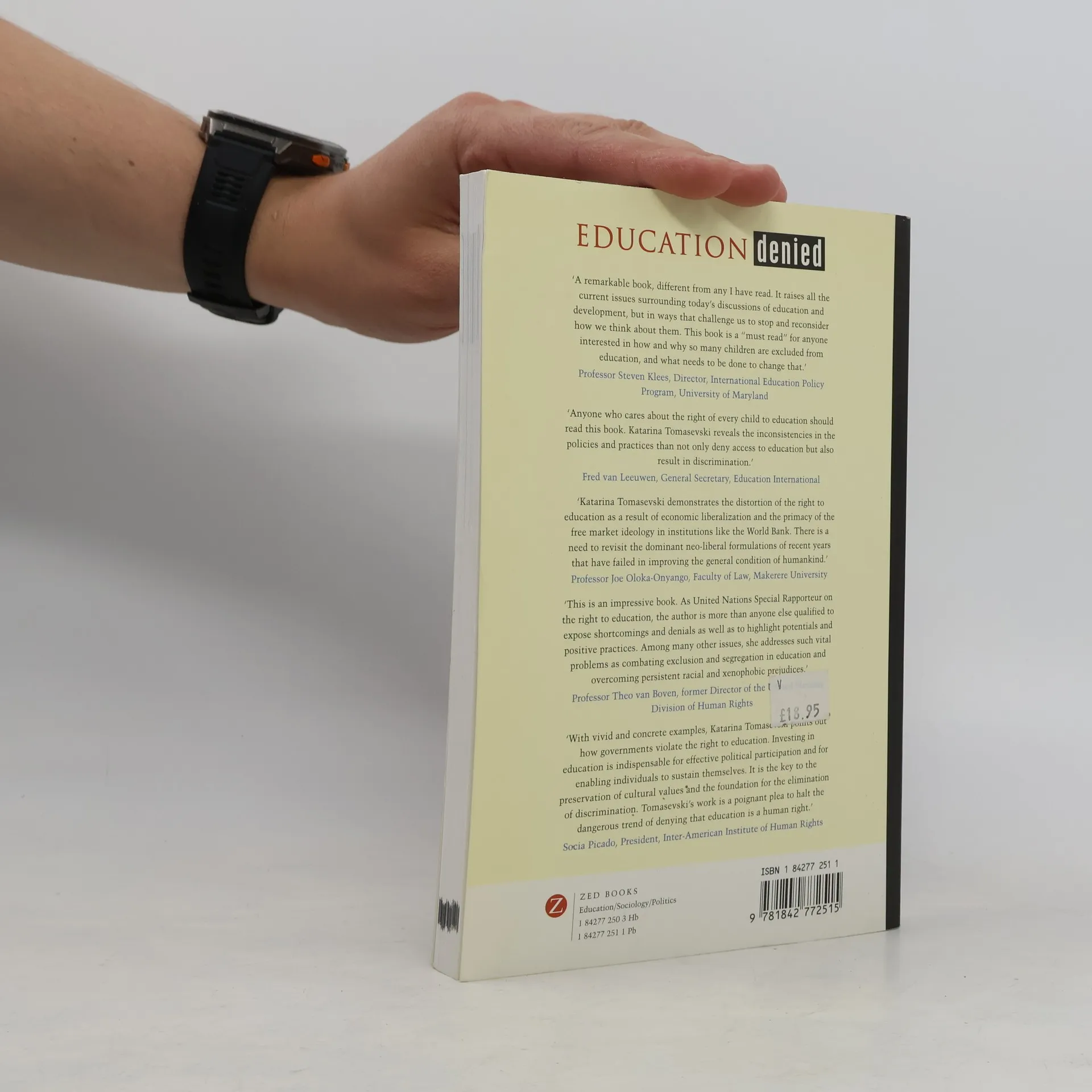
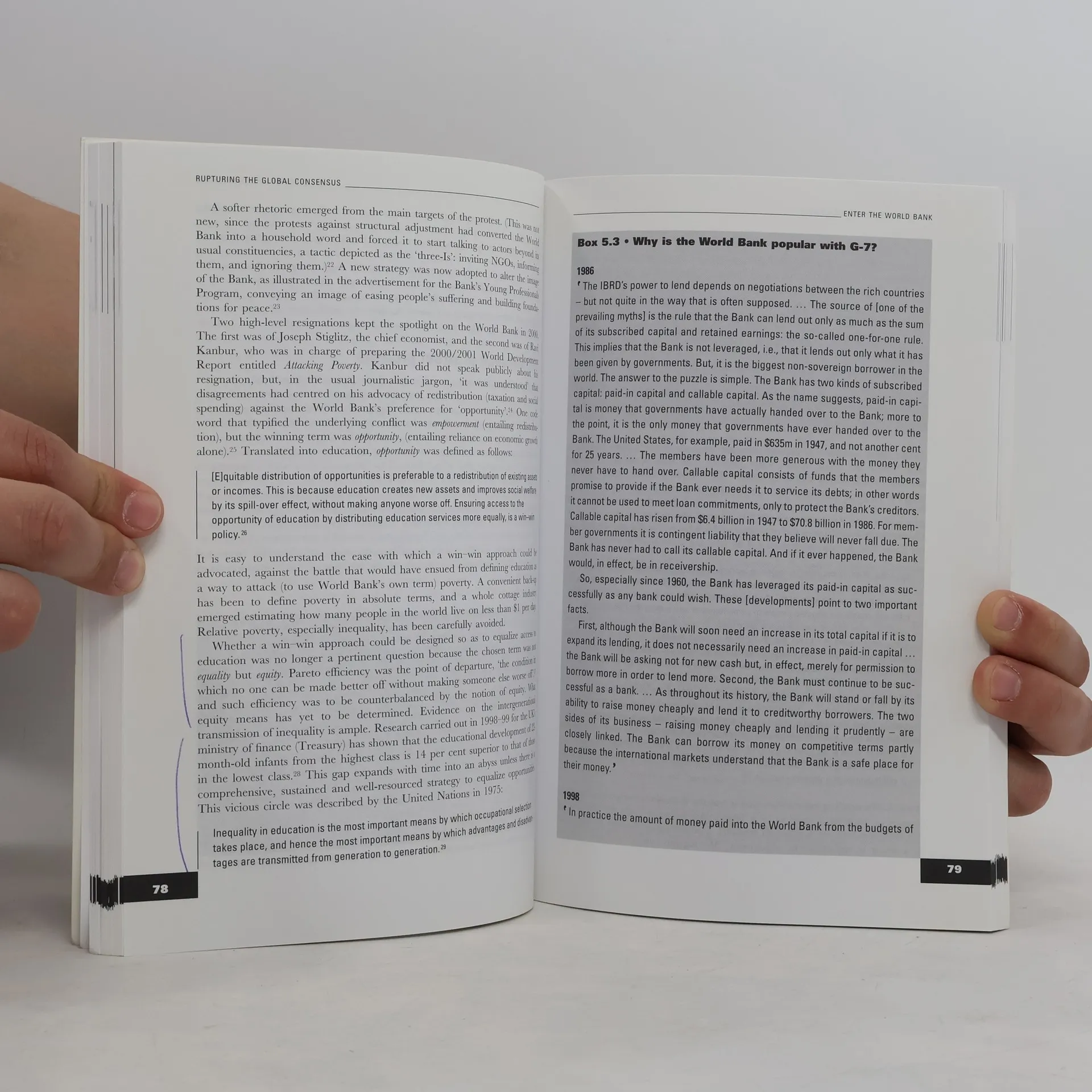
This unique contribution to global educational debate and policymaking aims to highlight the adverse impacts on children and young people of not having access to effective formal education. The author is the UN Special Rapporteur on the Right to Education. In reviewing the emerging commitment to universal education and the difficult history of trying to give effect to this commitment, particularly in the past half century, the author draws on three bodies of literature - on education specifically, on the development process generally, and on human rights. Her intention is to develop an approach which shifts the debate from sheer numbers of pupils, funding mechanisms and the recent preoccupation with market forces to a deeper discussion about what the right to education should really comprise, how governments and other institutions actually go about, or fail in, giving effect to it on a universal and non-discriminatory basis, and what happens to young people within the educational process itself.The book is an indispensable tour d'horizon of the history and problems encountered in the global quest for universal education. It also points up the discrimination and abuses of power this quest has involved and what needs now to be done.
Nákup knihy
Education Denied, Katarina Tomasevski
- Jazyk

- Rok vydání
- 2003
- Vazba
- (měkká)
Doručení
Platební metody
Nikdo zatím neohodnotil.
- Titul
- Education Denied
- Podtitul
- Costs and Remedies
- Jazyk
- anglicky
- Autoři
- Katarina Tomasevski
- Vydavatel
- Zed Books
- Rok vydání
- 2003
- Vazba
- měkká
- Počet stran
- 256
- ISBN10
- 1842772511
- ISBN13
- 9781842772515
- Série
- Štítky
- Sociální problémy, Lidská práva
- Anotace
- This unique contribution to global educational debate and policymaking aims to highlight the adverse impacts on children and young people of not having access to effective formal education. The author is the UN Special Rapporteur on the Right to Education. In reviewing the emerging commitment to universal education and the difficult history of trying to give effect to this commitment, particularly in the past half century, the author draws on three bodies of literature - on education specifically, on the development process generally, and on human rights. Her intention is to develop an approach which shifts the debate from sheer numbers of pupils, funding mechanisms and the recent preoccupation with market forces to a deeper discussion about what the right to education should really comprise, how governments and other institutions actually go about, or fail in, giving effect to it on a universal and non-discriminatory basis, and what happens to young people within the educational process itself.The book is an indispensable tour d'horizon of the history and problems encountered in the global quest for universal education. It also points up the discrimination and abuses of power this quest has involved and what needs now to be done.