

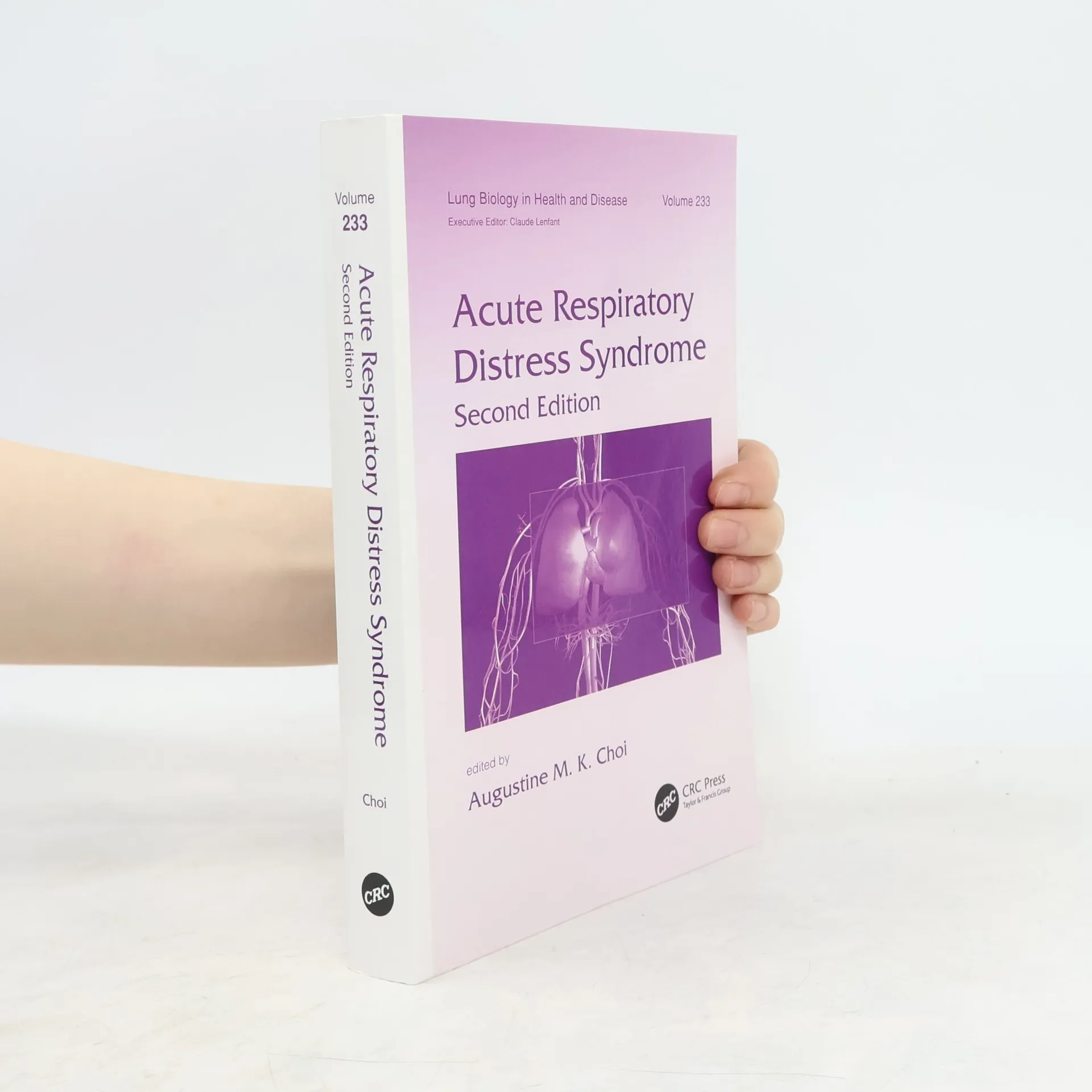


Lung Biology in Health and Disease - 233: Acute Respiratory Distress Syndrome
Second Edition
Více o knize
The only available text to focus primarily on Acute Respiratory Distress Syndrome (ARDS). Thoroughly revised content and ten new chapters provide pulmonologists with the latest developments and applications of pharmacological and mechanical therapies needed to treat the debilitating and difficult condition of ARDS. Highlights include: the definition, epidemiology, pathology, and pathogenesis of ARDS complications such as transfusion-related injury, and endothelium and vascular dysfunction the long-term outcomes of ARDS host defense and infection the latest developments in ARDS therapy: glucocorticoid therapy, surfactant therapy, mechanical ventilation, and mesenchymal stem cells predictive factors: gene expression profiling and biomarkers, and chemokines and cytokines advances in management strategies: fluid management, non-pulmonary and non-sepsis management, and glucose control
Nákup knihy
Lung Biology in Health and Disease - 233: Acute Respiratory Distress Syndrome, Thomas Martin, Robert M. Strieter, Michael A. Matthay, Augustine M. K. Choi, Claude Lentant
- Jazyk

- Rok vydání
- 2017
- Vazba
- (měkká),
- Stav knihy
- Velmi dobrá
- Cena
- 169 Kč
Doručení
Platební metody
Nikdo zatím neohodnotil.
- Titul
- Lung Biology in Health and Disease - 233: Acute Respiratory Distress Syndrome
- Podtitul
- Second Edition
- Jazyk
- anglicky
- Vydavatel
- CRC Press
- Rok vydání
- 2017
- Vazba
- měkká
- Počet stran
- 480
- ISBN10
- 113811541X
- ISBN13
- 9781138115415
- Série
- Kategorie
- Anotace
- The only available text to focus primarily on Acute Respiratory Distress Syndrome (ARDS). Thoroughly revised content and ten new chapters provide pulmonologists with the latest developments and applications of pharmacological and mechanical therapies needed to treat the debilitating and difficult condition of ARDS. Highlights include: the definition, epidemiology, pathology, and pathogenesis of ARDS complications such as transfusion-related injury, and endothelium and vascular dysfunction the long-term outcomes of ARDS host defense and infection the latest developments in ARDS therapy: glucocorticoid therapy, surfactant therapy, mechanical ventilation, and mesenchymal stem cells predictive factors: gene expression profiling and biomarkers, and chemokines and cytokines advances in management strategies: fluid management, non-pulmonary and non-sepsis management, and glucose control