


Více o knize
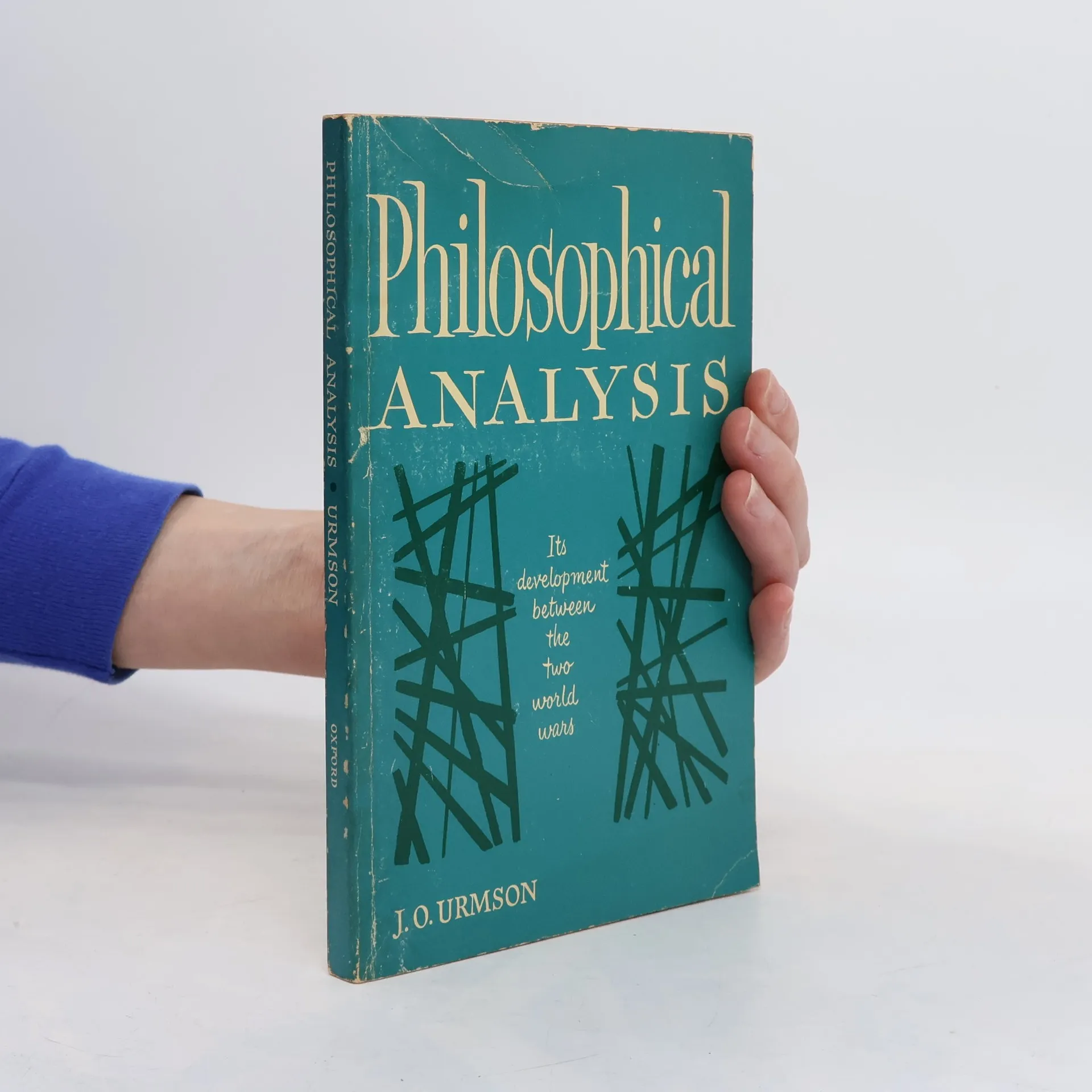
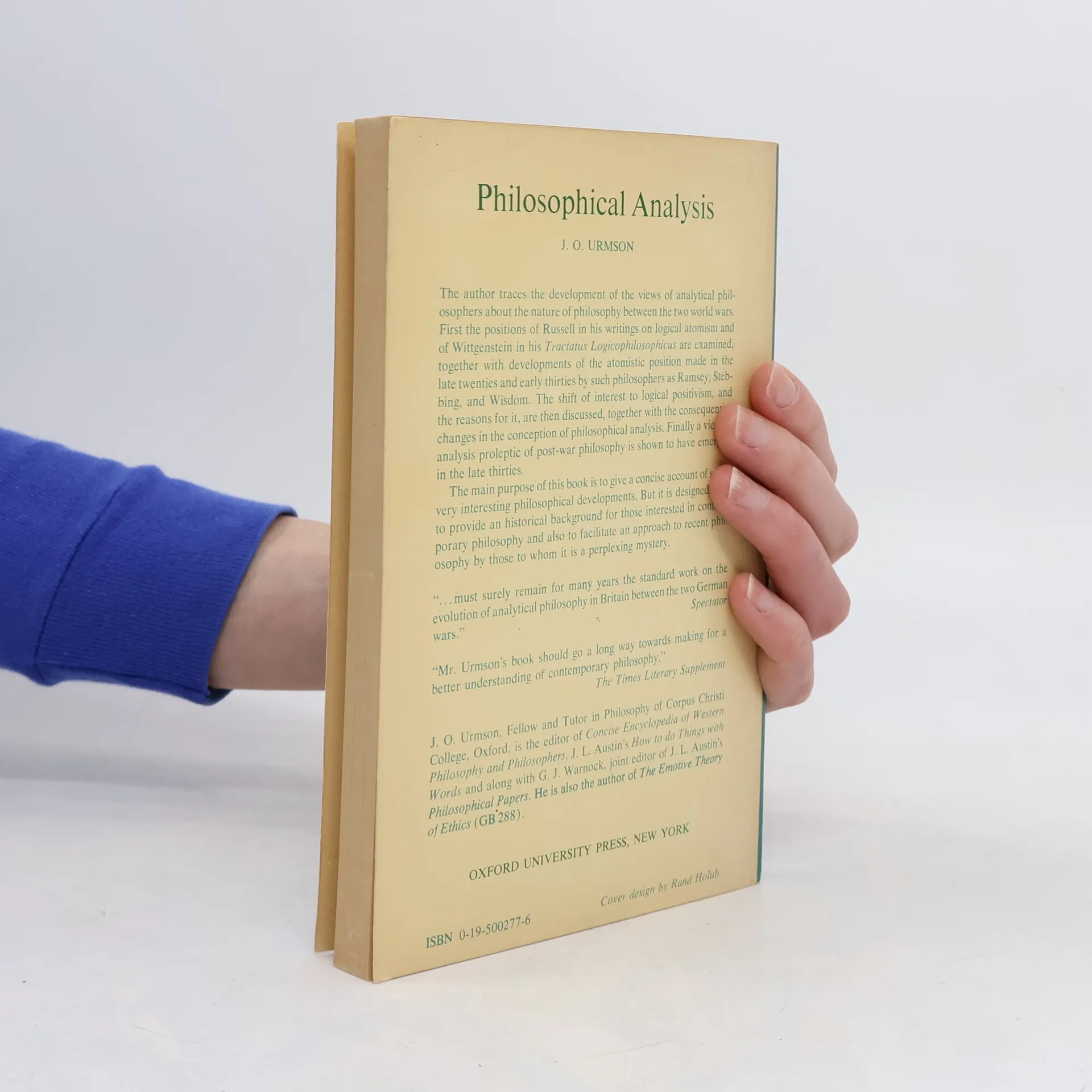
Reprinted.....from corrected sheets of the first edition 1958, 1960, 1965. The author traces the development of the views of analytical philosophers about the nature of philosophy between the two world wars. First the positions of Russell in his writings on logical atomism and of Wittgenstein in his Tractatus Logicophilosophicus are examined, together with developments of the atomistic position made in the late twenties and early thirties by such philosophers as Ramsey, Stebbing, and Wisdom. The shift of interest to logical positivism, and the reasons for it, are then discussed, together with the consequential changes in the conception of philosophical analysis. Finally a view of analysis proleptic of post-war philosophy is shown to have emerged in the late thirties. The main purpose of this book is to give a concise account of some very interesting philosophical developments. But it is designed both to provide an historical background for those interested in contemporary philosophy and also to facilitate an approach to recent philosophy by those to whom it is a perplexing mystery.
Nákup knihy
Galaxy Books: Philosophical Analysis, James O. Urmson
- Jazyk

- Rok vydání
- 1956
- Vazba
- (měkká)
Nikdo zatím neohodnotil.
- Titul
- Galaxy Books: Philosophical Analysis
- Podtitul
- Its Development Between the Two World Wars
- Jazyk
- anglicky
- Autoři
- James O. Urmson
- Vydavatel
- Oxford University Press
- Rok vydání
- 1956
- Vazba
- měkká
- Počet stran
- 214
- ISBN10
- 0195002776
- ISBN13
- 9780195002775
- Série
- Štítky
- Filosofická tématika
- Anotace
- Reprinted.....from corrected sheets of the first edition 1958, 1960, 1965. The author traces the development of the views of analytical philosophers about the nature of philosophy between the two world wars. First the positions of Russell in his writings on logical atomism and of Wittgenstein in his Tractatus Logicophilosophicus are examined, together with developments of the atomistic position made in the late twenties and early thirties by such philosophers as Ramsey, Stebbing, and Wisdom. The shift of interest to logical positivism, and the reasons for it, are then discussed, together with the consequential changes in the conception of philosophical analysis. Finally a view of analysis proleptic of post-war philosophy is shown to have emerged in the late thirties. The main purpose of this book is to give a concise account of some very interesting philosophical developments. But it is designed both to provide an historical background for those interested in contemporary philosophy and also to facilitate an approach to recent philosophy by those to whom it is a perplexing mystery.