


Parametry
- 314 stránek
- 11 hodin čtení
Více o knize
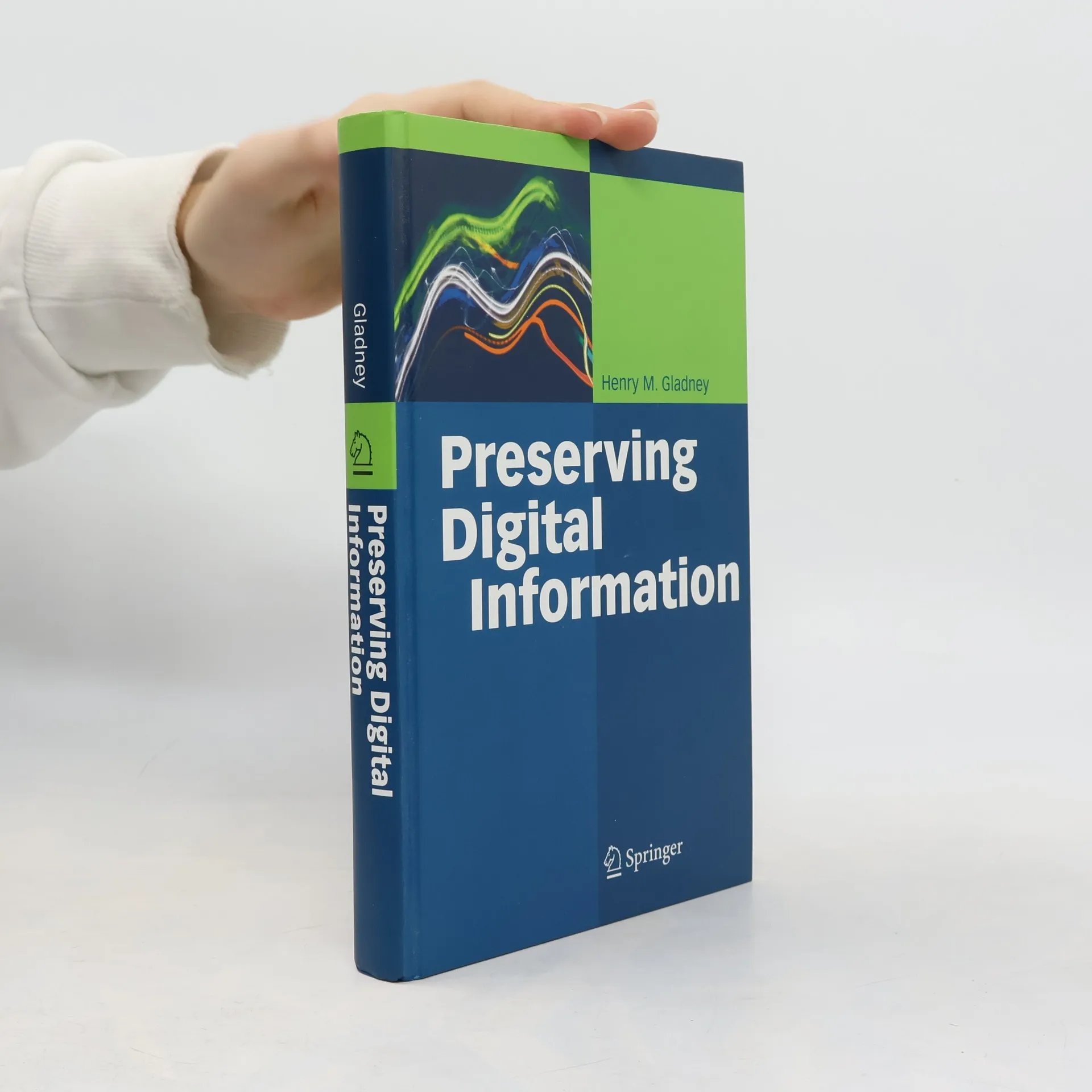
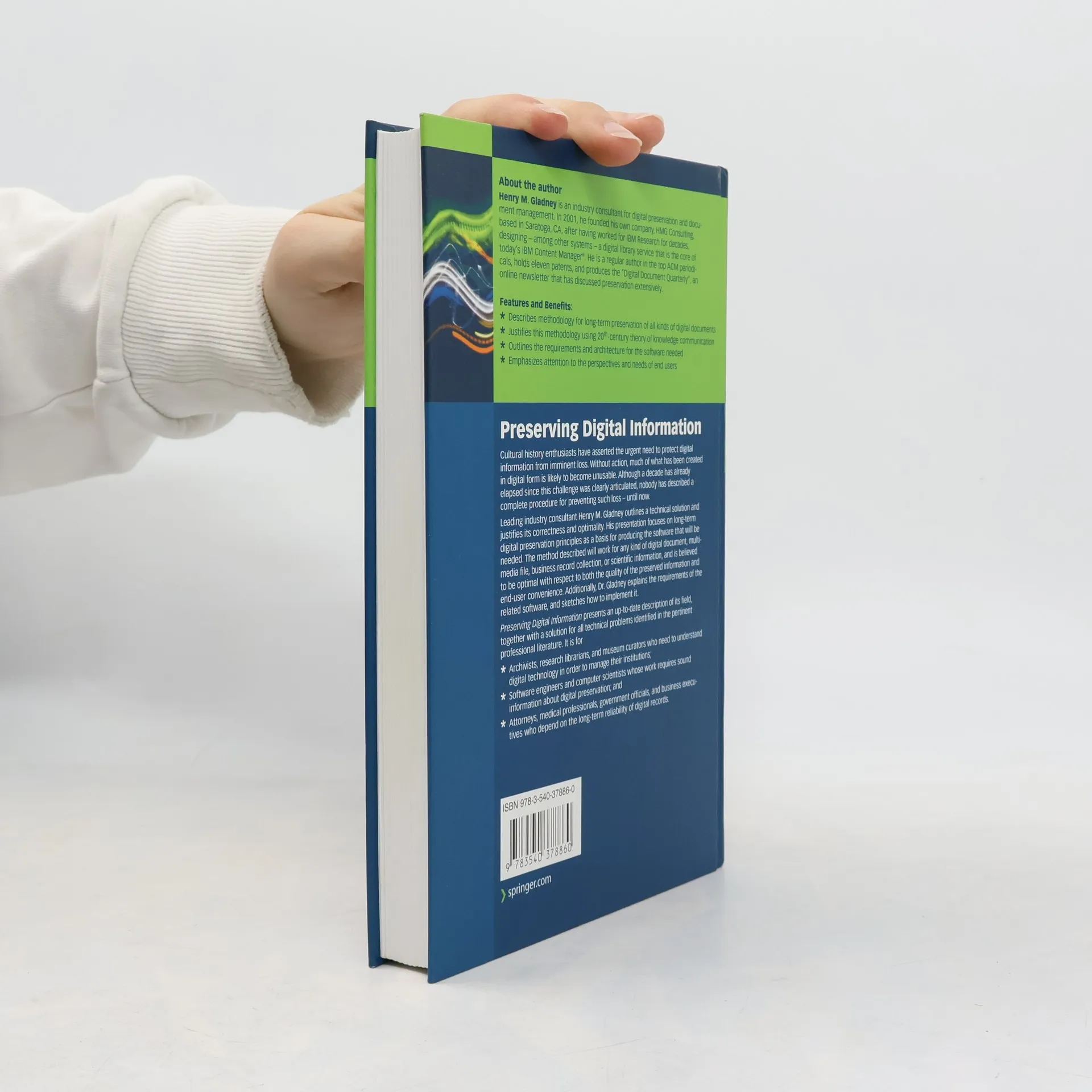
Cultural history enthusiasts emphasize the urgent need to safeguard digital information from imminent loss, as much of it risks becoming unusable without intervention. Despite a decade passing since this issue was highlighted, a comprehensive solution has remained elusive—until now. Industry consultant Henry M. Gladney presents a technical solution, detailing its correctness and optimality. His approach is grounded in long-term digital preservation principles, essential for developing the necessary software. This method is applicable to various digital formats, including documents, multimedia files, business records, and scientific data, ensuring high-quality preservation and user convenience. Dr. Gladney also outlines the software requirements and provides guidance on implementation. The work offers a current overview of the field and addresses all technical challenges identified in existing literature. It serves archivists, research librarians, and museum curators who need to navigate digital technology for effective institutional management, as well as software engineers, computer scientists, attorneys, medical professionals, government officials, and business executives reliant on the long-term integrity of digital records.
Nákup knihy
Preserving Digital Information, Henry M. Gladney
- Jazyk

- Rok vydání
- 2007
- Vazba
- (pevná),
- Stav knihy
- Velmi dobrá
- Cena
- 69 Kč
Doručení
Platební metody
Nikdo zatím neohodnotil.
- Titul
- Preserving Digital Information
- Jazyk
- anglicky
- Autoři
- Henry M. Gladney
- Vydavatel
- Springer
- Rok vydání
- 2007
- Vazba
- pevná
- Počet stran
- 314
- ISBN10
- 3540378863
- ISBN13
- 9783540378860
- Série
- Kategorie
- Štítky
- Byznys, Architektura, Technologie, Marketing a PR, Západní Evropa, Důvěra, Informace, Sociální aspekty, Knihovnictví, knihověda, Informační systémy
- Anotace
- Cultural history enthusiasts emphasize the urgent need to safeguard digital information from imminent loss, as much of it risks becoming unusable without intervention. Despite a decade passing since this issue was highlighted, a comprehensive solution has remained elusive—until now. Industry consultant Henry M. Gladney presents a technical solution, detailing its correctness and optimality. His approach is grounded in long-term digital preservation principles, essential for developing the necessary software. This method is applicable to various digital formats, including documents, multimedia files, business records, and scientific data, ensuring high-quality preservation and user convenience. Dr. Gladney also outlines the software requirements and provides guidance on implementation. The work offers a current overview of the field and addresses all technical challenges identified in existing literature. It serves archivists, research librarians, and museum curators who need to navigate digital technology for effective institutional management, as well as software engineers, computer scientists, attorneys, medical professionals, government officials, and business executives reliant on the long-term integrity of digital records.